Raphael'ın Hayatı ve Kimliği
Tarih boyunca Raffaello Sanzio, Raffaello Santi ve Raffaello Sanzio da Urbino gibi pek çok isimle anılan Raphael, İtalyan Yüksek Rönesans döneminin en merkezi figürlerinden biriydi. Onun yaşamı, resim ve mimari üzerindeki eşsiz ustalığıyla şekillendi; bu çok yönlülük, bir portrenin mahrem ölçeği ile papal inşaatlarının anıtsal gereklilikleri arasında kusursuz bir geçiş yapmasına olanak tanıdı. 6 Nisan 1483 tarihinde İtalya'nın Urbino kentinde, entelektüel ve sanatsal faaliyetlerle dolu bir dünyanın içinde dünyaya geldi.
Kariyeri, hamilerinin ihtiyaçlarını karşılamak adına büyük bir atölyeyi yönetmesini gerektiren muazzam bir üretkenlikle damgalandı. Bu profesyonel yetkinliği, ona papal sarayının en yüksek çevrelerinde yolunu bulmasını sağlayan bir sosyal zarafet eşlik ediyordu. İtalya'nın başlıca sanatsal merkezlerinde iz bırakan sanatçı, nihayetinde Roma'ya yerleşti; burada şehrin fiziksel ve görsel dokusu üzerindeki etkisi derin ve kalıcı oldu. Döneminin siyasi ve dini liderleriyle sık sık etkileşim kuran, toplumda saygın bir konuma sahip bir adamdı.
Hayatının yükselişi, İtalya, Papalık Devletleri'nin Roma şehrinde yarıda kaldı. 6 Nisan 1520'de, henüz 37 yaşındayken hayata gözlerini yumdu. Ölümü, papal sarayında derin bir boşluk yarattı ve klasik kompozisyon ile mimari tasarım standartlarını çoktan yeniden şekillendirmiş olan görkemli bir kariyerin sonunu işaret etti. Geride, Rönesans ideallerinin incelenmesi için temel bir referans kaynağı olmayı sürdüren devasa bir eser külliyatı bıraktı.
Erken Yaşam, Aile ve Eğitim
Urbino'nun sakin ve entelektüel atmosferi, genç Raphael için sağlam bir temel oluşturdu. Saray nezaketinin ve zarafetinin hüküm sürdüğü bir dünyada, Giovanni Santi ile Magia di Battista Ciarla'nın oğlu olarak dünyaya geldi. Dük'ün ressamı olan babası, oğlunun ilk yıllarının İtalyan saraylarının hümanist gelenekleriyle yoğurulmasını sağladı. Bu ortam, ona sadece bir yuva sunmakla kalmıyor; aynı zamanda Orta İtalya'da akan ileri düzeydeki sanatsal fikirler için bir pencere açıyordu. 1494 yılında trajedi kapıyı çaldığında ve babası vefat ettiğinde, çocuk henüz sadece on bir yaşındaydı. Bu kayıp, aile atölyesini yönetme sorumluluğunu omuzlarına yükleyerek, onu vaktinden önce olgunlaşmaya zorladı.
Resmi sanat eğitimi, onu Perugia'daki Pietro Perugino'nun atölyesine taşıdı. Bu usta rehberliğinde, yumuşak modellemeler ve huzurlu dini sahnelerle tanımlanan Umbria tarzını özümsedi. Aldığı eğitim hem disiplinli hem de son derece etkiliydi. 1500 yılı civarında bağımsız bir usta olarak kabul edildiğinde, fırça darbeleri şimdiden belirli bir berraklık ve ustalık sergiliyordu. Büyük sanat merkezlerinin cazibesi vizyonunu yeniden şekillendirmeye başlamadan önce, kuzey İtalya'nın şehirleri arasında bir gezginin madeni paraları toplaması gibi bilgi toplayarak dolaştı.
Floransa Dönemi ve Sanatsal Gelişim
Genç ressam 1504 yılında Floransa'ya adım attığında, devlerin varlığıyla şekillenmiş bir şehre giriş yapmıştı. O, Leonardo da Vinci ve Michelangelo'nun eserlerinin yanında sadece var olmakla kalmadı; onları adeta özümsedi. Sanatsal gelişimi, Fra Bartolommeo ve Masaccio'nun etkilerinin yanı sıra, bu iki ustanın kendine has yaklaşımlarını titizlikle incelemesiyle şekillendi. Bu dönem, onun Umbria köklerinden bir kopuş olmaktan ziyade, Floransa stilinin sofistike bir senteziydi. Çağdaşlarının eserlerindeki anatomik hassasiyeti ve dramatik ağırlığı alarak, bunları daha dengeli ve berrak bir görsel dile entegre etti.
Bu dönem, Raphael'in insan varlığını hem dini hem de dünyevi perspektiflerden yakalama yeteneğini mükemmelleştirdiği bir evre oldu. 1504 ile 1507 yılları arasında, kompozisyon ustalığını ve duygusal berraklığını sergileyen bir dizi Madonna tablosu üretti. Bu yıllar boyunca, sadece bir benzerlik sunmanın ötesine geçerek, portrelerindeki figürlere bir vakar ve asalet duygusu katan tanınmış bir portre ustası olarak da kendini kanıtladı. O dönemdeki çalışmaları, çıraklık yıllarının daha yumuşak geleneklerinden, daha sonra Roma'daki kariyerini tanımlayacak olan o anıtsal berraklığa doğru gerçekleşen bir geçişi yansıtmaktadır.
Roma Yılları ve Papalık Himayesi
Papa II. Julius'un 1508 yılındaki çağrısı, Raphael'in hayatının akışını değiştirerek onu Floransa'nın rekabetçi atmosferinden çekip alıp Roma'nın anıtsal ölçeğine taşıdı. Ebedi Şehir'e sadece bir ressam olarak değil, aynı zamanda Papalığın görsel dilinin merkezi bir figürü olarak adım attı. Vatikan'daki varlığı, onu Roma'nın en çok tercih edilen sanatçısı yapan muazzam bir üretkenlikle damgalandı. Papalık dairelerinin dekorasyonuyla görevlendirildi; bu sorumluluk, onun samimi dini konular ile görkemli tarihi anlatılar arasında hassas bir denge kurmasını gerektiriyordu. Bu dönemde, şövalenin ötesine geçerek önemli mimari sorumluluklar üstlendiğini gördük. 1514 yılında Donato Bramante'nin vefatının ardından, Aziz Petrus Bazilikası'nın mimari sorumluluğunu üstlenen mimar olarak atandı; bu makam, onun karmaşık ve büyük ölçekli projeleri organize etme ve uygulama yeteneğine duyulan sonsuz güvenin bir yansımasıydı.
Papalık sarayının karmaşık sosyal ve siyasi hiyerarşileri içinde yolunu bulurken, etkisi Leo X dahil olmak üzere ardışık Papa dönemleri boyunca genişledi. Siparişlerinin ölçeği şöhretiyle birlikte büyüdü ve bu durum, hamilerinin taleplerini karşılamak için alışılmadık derecede büyük bir atölyeyi yönetmesini zorunlu kıldı. İlk yılları zarafetin peşinde geçse de, Roma yılları düzen ve anıtsal ihtişamın arayışıyla şekillendi. Vatikan'ın vazgeçilmez bir parçası haline geldi; onun eli, şehrin en kutsal mekanlarının dokusunda her yerde belirgindi.
Teknik, Üslup ve Sanatsal Vizyon
Raphael, çağdaşlarının birbirinden farklı yeniliklerini tek bir tutarlı dil içinde sentezleyebilecek nadir bir yeteneğe sahipti. Floransa'da karşılaştığı ustaları yalnızca taklit etmekle kalmadı; aksine onların en güçlü yönlerini damıtarak kendi sanatına dahil etti. Leonardo da Vinci'den sfumato tekniğinin o ince ve yumuşak geçişlerini ödünç alırken, Michelangelo'nun anatomik hassasiyeti ve kas yapısı üzerindeki ustalığı, insan formuna dair anlayışını derinleştirdi. Bu sentez, onun basit bir taklitçiliğin ötesine geçerek formun berraklığı ve kompozisyonun zahmetsiz bir akıcılığı ile tanımlanan özgün bir üslup yaratmasını sağladı. Figürleri, çağdaşlarının eserlerinde zaman zaman görülen o ağır gerilimden kaçınarak, mekanlarını doğal bir zarafetle doldurur.
Onun estetik anlayışı, bireyin onurunu dengeli oranlar ve ışıl ışıl renkler aracılığıyla temsil etmeyi amaçlayan Neoplatonist insan ihtişamı idealine dayanıyordu. Derinlik ve hacim kazandırmak için chiaroscuro tekniğinden yararlansa da, sahnelerinin kaosa sürüklenmesine izin vermeyen bir düzen duygusunu daima korudu. Işık ile gölge, fiziksel olan ile ideal olan arasındaki bu denge, eserlerine göksel bir sükunet kazandırdı. En karmaşık tarihi veya dini kompozisyonlarında bile, gözü anlatı boyunca nazikçe yönlendiren hissedilir bir uyum hakimdir.
Bu mükemmeliyet arayışı, annelik sıcaklığını yapılandırılmış, geometrik bir zarafetle dengelediği çeşitli Madonna tasvirlerinde açıkça görülür. Işığın bilimsel gözlemi ile idealize edilmiş güzellik anlayışını evlendirme yeteneği, kompozisyonlarının hem gerçekliğe dayalı hem de ruhani bir yücelikte hissedilmesini sağladı. Derin insani duyguları aktarmak için iyi yerleştirilmiş bir bakışın sessiz gücüne veya bir giysinin hassas kıvrımlarına odaklanarak, Yüksek Rönesans için bir standart haline gelen görsel bir denge ve istikrar inşa etti.
Büyük Komisyonlar ve Atölye Yönetimi
Raphael'ın Roma'daki kariyerinin devasa ölçeği, geleneksel atölye modelinin çok ötesine geçen bir organizasyon düzeyi gerektiriyordu. Papalık sarayının muazzam taleplerini karşılayabilmek adına, küçük bir işletme hassasiyetiyle işleyen, üretim açısından oldukça hareketli ve alışılmadık derecede büyük bir atölyeyi yönetti. En önemli kompozisyonlara kendi eli rehberlik etse de, vizyonunun fiziksel olarak icra edilmesinin büyük bir kısmı asistanlarına düşüyordu. Bu yetenekli çıraklar, genellikle sanatçının hazırlık çizimlerinden doğrudan eserler üreterek, çok çeşitli projeler boyunca üslup birliğinin korunmasını sağlıyorlardı. Bu sistem, sorumlulukları mimari ve şehir tasarımı alanlarına doğru genişlerken bile yüksek bir üretim temposunu sürdürmesine olanak tanıyordu.
Vatikan içindeki nüfuzu hem geniş hem de derinden etkileyiciydi. Papalık dairelerini süslemek üzere bir dizi önemli komisyon kendisine emanet edilmişti; ancak otoritesi tuvalin sınırlarını çoktan aşmıştı. Raphael; mimari, resim, dekorasyon ve antik eserlerin korunmasını içeren tüm papal projelerinin sorumluluğu altına yerleştirilmişti. Bu çok yönlü rol, onu papal yerleşkesinin fiziksel ve estetik şekillenmesinde merkezi bir figür haline getirdi. Tasarım çalışmaları sadece duvarlar ve tavanlarla sınırlı kalmıyor; aynı zamanda papal sarayı için hazırlanan duvar halıları için de tasarımlar sunarak, kendi estetiğini saray yaşamının dokusuna işliyordu.
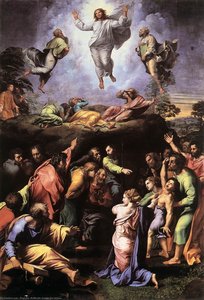
- The Transfiguration (1517'de sipariş edildi)
Önemli Başyapıtlar ve Ünlü Eserler
Raphael'ın üretiminin genişliği, belki de en iyi annelik zarafetinin görsel dilini tanımlayan pek çok Madonna tablosuyla anlaşılabilir. Bu resimler, genellikle onun üslubunun alametifarikası haline gelen insani bir sıcaklık ve huzurlu bir denge duygusu sergilerdi. Floransa'da bu tema üzerine yaptığı deneyler, 1507 yılında tamamlanan La belle jardinière ile önemli bir noktaya ulaştı. Bu eser, erken dönem Umbria eğitiminden, daha sonra Roma dönemini tanımlayacak olan daha sofistike kompozisyonlara geçişini yansıtır.
Roma'da ise siparişleri Vatikan bünyesinde anıtsal bir boyuta ulaştı. Klasik felsefeyi dini temalarla bütünleştiren geniş fresk döngüleri yarattığı Stanza della Segnatura'nın dekorasyonuyla görevlendirildi. Bunlar arasında, antik çağın büyük düşünürlerini tek bir uyumlu mekanda bir araya getiren devasa bir kompozisyon olan Athena Okulu, en ünlü eseri olarak kalmaya devam etmektedir. Bu başarı, karmaşık ve büyük ölçekli anlatıları kesin bir perspektif ve düzen aracılığıyla yönetme yeteneğini kanıtlamıştır.
Son yılları, 1517 yılında sipariş edilen ve tuval üzerindeki en büyük çalışması olan Ruhun Yükselişi (The Transfiguration) eserini de içeren muazzam bir üretkenlikle damgalandı. Ölümü sırasında üzerinde çalıştığı bu tablo, teknik becerisinin ve dramatik, büyük ölçekli konuları ele alma yeteneğinin doruk noktasını temsil eder. Bu denli yoğun insani duyguları klasik bir yapıyla dengeleme becerisi, kariyeri boyunca onun değişmez bir özelliği olarak kaldı.
Öğrenciler, Rakipler ve Sanatsal Miras
Raphael, Yüksek Rönesans döneminde Leonardo da Vinci ve Michelangelo ile birlikte yaratıcı devlerden oluşan bir triumviriğin parçası olarak eşsiz bir konumda yer alıyordu. Çağdaşları genellikle bilimsel gözlem veya kaslı bir gerilim içeren farklı yolların peşinden giderken, Raphael akademik geleneğin standartı haline gelecek olan berraklık ve dengeye dayalı bir üslup geliştirdi. Bu denge sadece kişisel bir başarı değil, aynı zamanda pedagojik bir zaferdi; zira onun üretkenliği, papal komisyonların taleplerini karşılayabilmek adına son derece organize bir atölyenin yönetimini zorunlu kılıyordu.
Bu atölyenin yönetimi, profesyonel yaşamının merkezi bir parçasıydı. Öğrencileri sadece birer yardımcı değil, aynı zamanda onun okulunun kendine has estetiğini sürdürmek üzere eğitilmiş sanatçılardı. Onların arasında, Giulio Romano, sık sık Raphael'in orijinal çizimlerinden eserler üretmekle görevlendirilen önemli bir figür olarak öne çıktı. Romano'nun kendi üslubu, zamanla sanatçının etkisini yeni yönlere taşıyacak ve Vatikan'da temelleri atılan kompozisyon ile formları sık sık yankılandıracaktı. Bu sanatsal soy, Raphael isminin ölümünden çok sonra bile belirli bir zarafet ve düzen anlayışıyla eş anlamlı kalmasını sağladı.
Muazzam başarısına rağmen, kariyeri büyük rakibi Michelangelo'nun gölgesinde kaldı. Biri uyumlu oranları, diğeri ise dramatik anatomik gücü önceleyen farklı yaklaşımları arasındaki gerilim, dönemin sanatsal söylemlerinin büyük bir kısmını şekillendirdi. Raphael'in etkisi derin olsa da, Michelangelo'nun üslup üzerindeki ağırlığı, özellikle 18. ve 19. yüzyıllar boyunca sonraki nesillerin gözünde çoğu zaman kendi etkisini aşmıştır. İnsanlık ihtişamına dair bu iki farklı vizyon arasındaki rekabet, Batı resim sanatının seyrini yüzyıllar boyunca şekillendirmeye yardımcı oldu.
Verimli Bir Kariyerin Sonu
Papalık teveccühünün en yüksek zirvelerine ulaşmış olan bir kariyerin ivmesi, sarsıcı bir anilıkla kesintiye uğradı. 6 Nisan 1520'de, otuz yedinci yaş gününde, Raphael Roma'da beklenmedik bir şekilde hayata gözlerini yumdu. Onun vefatı, papalığın dini ve sivil yaşamın dokusuna o kadar derinlemesine nüfuz etmiş bir figürdü ki, Papa'nın onu Kardinal rütbesine yükseltmeyi planladığı papalarda derin bir kayıp olarak hissedildi. Papalığın görsel sesi haline gelen bu adam, kendisine sunulacak olan bu onurlar henüz gerçekleşmeden aramızdan ayrılmıştı.
Ölüm anında, hala en görkemli girişimlerinden biri olan Röportaj (The Transfiguration) adlı devasa tuval üzerinde aktif olarak çalışmaktaydı. Bu eser, geçiş anında tamamlanamamış bir halde kaldı; muazzam bir üretkenlikle tanımlanan bir yaşamın son, asılı kalmış bir parçası olarak kaldı. Onun ani gidişi, Vatikan'ı ve Roma'nın sanat topluluğunu bir yas durumuna sürükleyerek, yoğun yaratıcı üretimin yaşandığı bir dönemin sessizce sona ermesine neden oldu.
Naaşı, İtalya'nın Roma şehrinde, muazzam bir tarihi ve mimari öneme sahip olan Pantheon'a defnedildi. Bu son istirahatgah, hem sahip olduğu makamın vakarına hem de Papalık Devletleri yetkilileri tarafından duyulan yüksek saygıya bir yansımaydı. Arkasında, son derece organize bir atölye aracılığıyla icra edilmiş devasa bir eser külliyatı bırakarak, Yüksek Rönesans tarihindeki varlığının sarsılmaz bir şekilde yerleşmesini sağladı.
Eserlerini Bugün Nerede Görebilirsiniz?
Raphael'in üretken kariyerinden geriye kalan fiziksel izler, Avrupa sanatının en önemli merkezlerine dağılmış durumdadır. Roma'da, en önemli eserlerinin büyük bir kısmı Vatikan Sarayı'nda yer alır; burada onun freskleri, papalik dairelerinin görsel dilini tanımlamaya devam etmektedir. Ünlü Athena Okulu da dahil olmak üzere bu eserler, onun Ebedi Şehir'deki en verimli yıllarında süslemesine yardımcı olduğu mekanlarda yaşamaya devam etmektedir.
Vatikan'ın ötesinde, onun varlığı kıtanın büyük galerilerinde derinden hissedilir. Paris'teki Louvre Müzesi birkaç tablosuna ev sahipliği yaparken, Washington'daki National Gallery of Art eserlerini modern izleyiciler için korumaktadır. Floransa'da ise Galleria degli Uffizi, onun özenle resmettiği Rönesans soylularının yüzlerine bir bakış sunarak birçok portresine ev sahipliği yapar. Uffizi Galerisi ayrıca, onun etkisinin İtalyan geleneğine sıkı sıkıya bağlı kalmasını sağlayan diğer birçok önemli parçayı da bünyesinde barındırır.
- The Transfiguration, Vatikan Müzeleri, Vatikan Şehri
- Madonna della Seggiola, Palazzo Pitti, Floransa
- Portrait of Julius II, Galleria degli Uffizi, Floransa
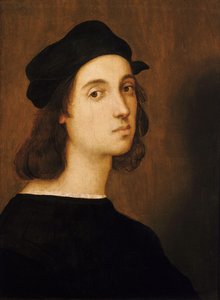
- Self Portrait, Galleria degli Uffizi, Floransa
- The Marriage of the Virgin, Pinacoteca di Brera, Milano


 Tümünü Gör


 Baskı Satışına Geç


 Herhangi bir kenarı 105 cm'den (yaklaşık 41 inç) büyük olan sanat eserleri veya reprodüksiyonlar için çerçeve, demonte edilmiş bir kit halinde gönderilecektir. Bu yöntem, güvenli teslimat sağlar ve taşıma sırasında oluşabilecek hasarları önler.