Gerçek Boyutta Önizle
 Paylaş
 Paylaş
 Detayları Gör
 Rehber

 İndir
İndir
 Benzer ürünler
 X-Işını
 Slayt Gösterisi
 Soru & Cevap
 İstatistikler
The Virtues

 Tümünü Gör
Giclée / Sanat Baskısı
Hızlı üretim ve esnek bitiş seçenekleriyle müze kalitesinde giclée veya kanvas baskı. ( El Yapımı Tablo Satın Al Dijital Görsele Geç)




P118B ₺10

P118H ₺10

P118W ₺10

P438Z ₺10

P508JH ₺12

P508YH ₺12

P805H ₺10

P805Z ₺10

P919BZ ₺10

P919G ₺10

P919XJ ₺10

P959ZH ₺10

P968JZ ₺12

W106C ₺8

W218G ₺10

W218JH ₺8

W218Y ₺10

W307PJ ₺10

W316G ₺10

W316PJ ₺8

W316Y ₺10

W398PJ ₺8

W4111J ₺10

W500HY ₺15

W500JH ₺15

W692G ₺12

W849H ₺8

W940BG ₺15

W953PJ ₺8




Eserin orijinal oranlarıyla uyumlu, önceden belirlenmiş boyutlarımız arasından seçim yapın.

Çerçevenize veya duvarınıza uygun olması için ihtiyacınız olan genişlik ve yüksekliği yazın. Bir baskı yalnızca kesilebilir, görselden daha büyük hale getirilemez; bu nedenle farklı bir formdaki boyut seçimi, görselin bir kısmının kaybına neden olur. Herhangi bir baskı yapmadan önce onaylamanız için size bir dijital taslak gönderiyoruz. Bu sayfada gösterilen resim gerçek kesimi göstermez — bunu yalnızca taslak gösterir.
Dünya Çapında Teslimat (); standart 4/5 hafta yerine 2 haftada. (4 Kasım)

Dünya Çapında Ücretsiz Ekspres Kargo

Yüksek Kaliteli Keten Kanvas

Tam Nakliye Sigortası

Gümrük Vergisi İadesi Garantisi

Gerçek Renk Uyumu Garantisi

100 Günlük İade Politikası (Sadece Kusurlu Ürünler İçin)

%100 Para İade Garantisi

Toplu Alım İndirimi
 Cam seçeneği yalnızca 110 cm altındaki boyutlar için mevcuttur.

The Virtues
Giclée / Sanat Baskısı
Reproduksiyon Boyutu
-


Toplam Tutar
₺ 3198
A Symphony of Virtue: Exploring Raphael’s “The Virtues” Fresco
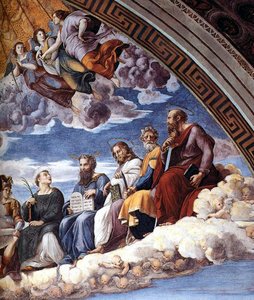
The fresco "The Virtues," painted by Raphael Sanzio da Urbino between 1509 and 1511 as part of the Stanza della Segnatura in Vatican City, stands as an unparalleled achievement of High Renaissance art. More than just a decorative embellishment of papal chambers, it’s a profound meditation on moral philosophy—a visual embodiment of Christian virtues designed to inspire contemplation and guide spiritual understanding. Commissioned by Pope Julius II during a period of ambitious artistic patronage, Raphael undertook this monumental task with unwavering dedication, transforming an unremarkable hallway into a breathtaking panorama of humanist ideals.The Compositional Harmony: Michelangelo’s Influence
Raphael's masterful handling of perspective and spatial arrangement owes considerable debt to the pioneering work of Michelangelo Buonarroti on the Sistine Chapel ceiling. Like Michelangelo’s depiction of biblical figures soaring across the vault, Raphael employs dramatic diagonals and expansive curves to draw the viewer’s eye into the scene. The careful positioning of the figures—particularly Fortitude's lion—echoes Michelangelo’s monumental sculptures, demonstrating a shared artistic lineage and reflecting the broader Renaissance fascination with grandeur and anatomical accuracy. This deliberate stylistic kinship elevates “The Virtues” beyond mere aesthetic beauty; it speaks to a deeper engagement with the intellectual currents shaping European culture at the time.Symbolism Rooted in Classical Tradition
The fresco’s symbolism is intricately interwoven with classical humanist thought, reflecting Raphael's exposure to the philosophical ideas circulating amongst intellectuals of his era. Each virtue—Fortitude, Charity, Prudence, Hope and Temperance—is represented by a female figure, embodying abstract concepts rather than literal representations. The mirror held aloft by Prudence symbolizes wisdom and discernment, prompting viewers to examine their own moral compass. Fortitude’s lion represents courage and resilience, while Temperance's reins symbolize moderation and self-control. Crucially, the depiction of Faith points upwards towards heaven, emphasizing the importance of spiritual devotion and belief—a cornerstone of Christian theology. The central tondo depicting Justice reinforces this thematic core, symbolizing righteousness and moral accountability.Technique: Fresco Painting – A Legacy of Brilliance
Raphael’s technique exemplifies the mastery of fresco painting achieved during the High Renaissance. This method involves applying pigment onto wet plaster—a process demanding meticulous planning and execution. The durability of fresco ensures that “The Virtues” continues to captivate audiences centuries later, preserving Raphael's vibrant colors and nuanced detailing with remarkable fidelity. Unlike oil paint, which allows for reworking and blending, fresco necessitates a decisive approach, resulting in an image that is both timeless and powerfully expressive. The subtle gradations of color achieved through layering pigments contribute to the fresco’s luminous quality—a testament to Raphael’s artistic skill and his unwavering commitment to capturing the essence of humanist ideals.Emotional Resonance: Inspiration for Generations
“The Virtues” transcends its formal artistry, resonating with viewers on an emotional level. Its serene beauty and harmonious composition convey a sense of moral upliftment—inviting contemplation and fostering reflection upon ethical conduct. Raphael’s masterpiece serves as a poignant reminder of the enduring power of art to communicate profound philosophical concepts and inspire spiritual aspiration. It remains a cornerstone of High Renaissance art, continuing to inspire artists and collectors alike who seek to emulate its elegance and imbue their own creations with similar moral depth.Soru ve Cevaplar
"The Virtues" adlı eser, Raffaello'in diğer çalışmalarıyla hangi ortak noktaları paylaşıyor?
"The Virtues", temaları arasında michelangelo inspiration, humanist values, religious symbolism, stanza segnatura legacy yer alan Raffaello'in High Renaissance dönemine ait bir eserdir.
Raffaello imzalı "The Virtues" eserinin renk yoğunluğu nedir?
Raffaello imzalı "The Virtues" eserindeki renkler Balanced yoğunluğundadır.
Raffaello imzalı "The Virtues" için bir slayt gösterisi mevcut mu?
Raffaello imzalı "The Virtues", eserin Slayt Gösterisi sayfasında bir slayt gösterisi olarak görüntülenebilir.
Benzer Eserler




Sanatçı Özgeçmişi
Raffaello Sanzio: Rönesansın Işığı ve Uyumunun Ustası
Rönesans’ın en parlak yıldızlarından biri olan Raffaello Sanzio da Urbino, dünyaya 1483 yılında İtalya'nın küçük ama zihinsel açıdan canlı bir şehir devleti olan Urbino'da gözlerini açtı. Babası Giovanni Santi, sadece bir ressam değil, aynı zamanda Duke Federico da Montefeltro’nun şairi ve sanat alanındaki yenilikleri arayan bir düşünürdü. Bu soylu çevrede büyümek, genç Raffaello’nun sanatsal ve entelektüel gelişimini derinden etkiledi. Babasının erken ölümü, ona sorumluluk yüklerken aynı zamanda ailesinin atölyesinde yeteneklerini geliştirmesi için de bir fırsat yarattı. İlk dönem eserlerinde bile ortaya çıkan zarif duruşu ve detaylara gösterdiği özen, olgunlaşmış tarzının habercisiydi.
Umbria’dan Floransa’ya: Yeni Etkilerin Peşinde
Raffaello'nun sanatsal yolculuğu, sürekli bir evrim sürecinden geçti. Perugia'da Pietro Perugino yönetimindeki eğitimiyle Umbriya tarzının temellerini attı – yumuşak modellemeler, uyumlu kompozisyonlar ve sakin dini sahnelerle karakterize edilen bir stil. Ancak Raffaello’nun doyumsuz merakı onu yeni zorluklara yöneltti. 1504 yılında Floransa'ya yaptığı yolculuk, Leonardo da Vinci ve Michelangelo gibi sınırları zorlayan sanatçılarla tanışmasına vesile oldu. Leonardo’nun sfumato tekniğini, yani ışık ve gölge geçişlerindeki inceliği; Michelangelo’nun ise güçlü anatomik detaylarını ve dramatik kompozisyonlarını büyük bir dikkatle inceledi. Bu Floransa dönemi, Raffaello için gerçek bir eriyiş noktası oldu; onu yeni sanatsal olanaklarla yüzleştirdi ve bunları kendi özgün vizyonuyla sentezlemeye zorladı. Özellikle bu dönemde Madonna serilerindeki artan dinamizm ve psikolojik derinlik, bu etkilerin somut kanıtı olarak görülebilir.
Roma’daki Zafer: Komisyonlar ve Başyapıtlar
1508 yılında Raffaello'nun kariyerini değiştirecek bir daveti aldı – Papa II. Julius tarafından Roma'ya çağrıldı. Bu, onun en verimli ve kutlu döneminin başlangıcı oldu. Roma, ona eşsiz fırsatlar sundu; Vatikan’daki papal saraylarını nefes kesici fresklerle süsleme imkanı buldu. Athena Okulu (La Scuola di Atene), belki de en ünlü eseri olarak, kompozisyon, perspektif ve felsefi alegori konusundaki ustalığını gözler önüne seriyor. Bu görkemli mekanda Raffaello, Antik Yunan’dan figürleri – Plato, Aristoteles, Pisagor, Öklid gibi – bir araya getirerek insan aklının ve bilgi peşinde koşmanın kutlaması niteliğinde canlı bir tablo yarattı. Daha sonra Leo X ve diğer papalar için de çalışarak Stanze della Segnatura ve Stanza d'Eliodoro gibi devasa projelerde yer aldı. Bu odalardaki freskleri sadece dekoratif değil, aynı zamanda papal gücüne, dini inançlara ve Rönesans ideallerine dair derin açıklamalar niteliğindedir.
Zarafet ve Uyumun Sentezi: Raffaello'nun Sanatsal Tarzı
Raffaello’nun sanatsal tarzı genellikle zarafet, açıklık ve idealize edilmiş güzelliğin uyumlu bir karışımı olarak tanımlanır. Farklı etkileri – Umbriya geleneği, Floransa yenilikleri, Antik Yunan – kendi eşsiz estetiğine sentezleme konusunda olağanüstü bir yeteneğe sahipti. Kompozisyonları titizlikle planlanmıştır; Rönesans ilkelerinin derinlemesine anlaşılmasını yansıtan bir düzen ve orantı duygusu sergiler. Figürleri sakin bir onur ve duygusal ifade yayar, insan mükemmelliği idealini somutlaştırır. Aynı zamanda usta bir renkleyiciydi; hem görsel olarak büyüleyici hem de zihinsel olarak uyarıcı eserler yaratmak için zengin, aydınlık tonlar kullandı. Michelangelo’nun sıklıkla dramatik ve çalkantılı tarzının aksine Raffaello'nun çalışması sakinlik ve uyum duygusu yayar – bu nitelik yüzyıllardır izleyicileri büyülemiştir.
Mirası ve Süregelen Etkisi
Raffaello’nun 1520 yılında otuz yedi yaşında erken ölümü, potansiyeliyle dolu bir kariyeri kesintiye uğrattı. Ancak mirası, Batı sanat tarihinin en önemli figürlerinden biri olarak yaşamaya devam ediyor. Çalışmaları, Yüksek Rönesans estetiğinin temel taşı haline geldi ve nesiller boyunca sanatçılara örnek oldu. Michelangelo’nun etkisi daha sonra sanatsal söylemi domine etse de, Raffaello'nun açıklık, uyum ve idealize edilmiş güzelliğe verdiği önem Neoklasik dönemde Johann Joachim Winckelmann gibi eleştirmenler tarafından yeniden canlandırıldı. Bugün, resimleri hala hayranlık ve takdir uyandırıyor; teknik parlaklıkları, duygusal derinlikleri ve kalıcı çekicilikleriyle izleyicileri büyülemeye devam ediyor. Onun etkisi sayısız takip eden eserde görülebilir, bu da onu Rönesans’ın gerçek bir ustası olarak pekiştirir – sadece konularının fiziksel görünümünü değil, aynı zamanda insan zarafetinin ve onurun özünü de yakalayan bir ressam.
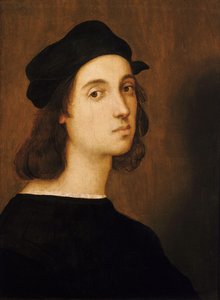
Raffaello
1483 - 1520 , İtalya
Kısa Bilgiler
- Artistic Movement Or Style: Yüksek Rönesans
- Artists Or Movements Influenced By This Artist: ['Neoklasik resim']
- Artists Who Influenced This Artist:
- Leonardo da Vinci
- Michelangelo
- Date Of Birth: 1483
- Date Of Death: 1520
- Full Name: Raphael
- Nationality: İtalyan
- Notable Artworks:
- Atina Okulu
- Sistine Madonna
- Dönüşüm
- Place Of Birth: Urbino, İtalya
Benzer Yazılar

Italian Renaissance Art: A Procurement Guide to Timeless Masterpieces for High-End Hotel Interiors
A professional procurement guide for hotel designers seeking Italian Renaissance masterpieces. Discover how to utilize chiaroscuro, custom oil reproductions, and large-scale murals to elevate hospitality interiors with timeless, high-impact classical art.

Fresco Art Guide: Mastering the Timeless Technique of Wall Painting for Luxury Interior Design
Master the art of fresco for luxury hospitality design. Explore technical insights into historical wall painting and discover how professional-grade, large-scale reproductions can elevate hotel interiors with timeless Renaissance elegance.