


 Gerçek Boyutta Önizle
 Paylaş
 Paylaş
 Detayları Gör
 Rehber

 İndir
İndir
 Benzer ürünler
 X-Işını
 Slayt Gösterisi
 Soru & Cevap
 İstatistikler
The Wedding Banquet

 Tümünü Gör
Giclée / Sanat Baskısı
Hızlı üretim ve esnek bitiş seçenekleriyle müze kalitesinde giclée veya kanvas baskı. ( El Yapımı Tablo Satın Al Dijital Görsele Geç)




P118B ₺10

P118H ₺10

P118W ₺10

P438Z ₺10

P508JH ₺12

P508YH ₺12

P805H ₺10

P805Z ₺10

P919BZ ₺10

P919G ₺10

P919XJ ₺10

P959ZH ₺10

P968JZ ₺12

W106C ₺8

W218G ₺10

W218JH ₺8

W218Y ₺10

W307PJ ₺10

W316G ₺10

W316PJ ₺8

W316Y ₺10

W398PJ ₺8

W4111J ₺10

W500HY ₺15

W500JH ₺15

W692G ₺12

W849H ₺8

W940BG ₺15

W953PJ ₺8




Eserin orijinal oranlarıyla uyumlu, önceden belirlenmiş boyutlarımız arasından seçim yapın.

Çerçevenize veya duvarınıza uygun olması için ihtiyacınız olan genişlik ve yüksekliği yazın. Bir baskı yalnızca kesilebilir, görselden daha büyük hale getirilemez; bu nedenle farklı bir formdaki boyut seçimi, görselin bir kısmının kaybına neden olur. Herhangi bir baskı yapmadan önce onaylamanız için size bir dijital taslak gönderiyoruz. Bu sayfada gösterilen resim gerçek kesimi göstermez — bunu yalnızca taslak gösterir.
Dünya Çapında Teslimat (); standart 4/5 hafta yerine 2 haftada. (5 Kasım)

Dünya Çapında Ücretsiz Ekspres Kargo

Yüksek Kaliteli Keten Kanvas

Tam Nakliye Sigortası

Gümrük Vergisi İadesi Garantisi

Gerçek Renk Uyumu Garantisi

100 Günlük İade Politikası (Sadece Kusurlu Ürünler İçin)

%100 Para İade Garantisi

Toplu Alım İndirimi
 Cam seçeneği yalnızca 110 cm altındaki boyutlar için mevcuttur.

The Wedding Banquet
Giclée / Sanat Baskısı
Reproduksiyon Boyutu
-


Toplam Tutar
₺ 3198
A Glimpse of Florentine Revelry: Exploring Botticelli’s ‘The Wedding Banquet’
Sandro Botticelli's “The Wedding Banquet,” painted around 1483, isn’t merely a depiction of a festive occasion; it’s a shimmering window into the heart of Renaissance Florence – a city pulsating with artistic innovation and humanist ideals. Commissioned by Antonio Pucci for his son’s marriage, this painting transcends its simple subject matter to become a complex meditation on social status, love, and the revival of classical themes. Botticelli masterfully employs his signature elongated figures and graceful poses, setting them against a backdrop that subtly blends the opulent details of a Florentine wedding with echoes of ancient Roman architecture – a deliberate nod to the burgeoning interest in antiquity that characterized the era.
The scene unfolds within a richly decorated hall, overflowing with the trappings of wealth and celebration. Guests, rendered with Botticelli’s characteristic elegance, are engaged in various activities: musicians play lively tunes, servants attend to the needs of the assembled company, and tables groan under the weight of lavish food and drink. Notice particularly the careful attention to detail – the intricate patterns on the fabrics, the delicate rendering of the goblets and serving dishes, all contribute to a sense of immersive realism. However, Botticelli doesn’t simply aim for photographic accuracy; he elevates these details into symbols, hinting at the social hierarchies and expectations that governed Florentine society.
Botticelli's Renaissance Palette: Line, Color, and Classical Influence
Botticelli’s artistic style is immediately recognizable. He favored a delicate and refined use of color, often employing muted tones – ochres, blues, and greens – to create a sense of harmony and balance within the composition. Yet, he wasn't afraid to introduce vibrant accents, particularly in the clothing and decorative elements, drawing attention to specific details. Crucially, Botticelli’s work is defined by his masterful command of line; each figure is delineated with precise contours, lending them an almost ethereal quality. This emphasis on line, combined with his elongated figures – a characteristic inherited from earlier Gothic traditions – creates a sense of movement and grace that is both captivating and subtly unsettling.
The painting’s composition itself reflects Botticelli's engagement with classical principles. The arrangement of the figures, the use of perspective (though not strictly linear), and the inclusion of architectural elements—a subtle archway in the background—all allude to the ideals of harmony, proportion, and beauty that were central to Renaissance art. Botticelli’s deliberate incorporation of these classical motifs wasn't simply decorative; it was a conscious effort to revive interest in the artistic achievements of ancient Greece and Rome, contributing significantly to the intellectual and cultural climate of his time.
Beyond the Banquet: Symbolism and Social Commentary
“The Wedding Banquet” is more than just a celebration; it’s a subtle commentary on social dynamics. The varying attire of the guests – some adorned in elaborate robes, others dressed more modestly – clearly indicates their respective social standing. Botticelli subtly critiques the superficiality of wealth and status, suggesting that outward appearances can often mask deeper complexities. The scene also hints at the constraints placed upon individuals within a rigid social hierarchy. While the wedding itself is a joyous occasion, there’s an underlying tension—a sense that the festivities are merely a performance, masking unspoken anxieties and desires.
Botticelli's work continues to resonate today because it captures not only the beauty of Renaissance Florence but also its complexities – its artistic brilliance alongside its social constraints. Reproductions of “The Wedding Banquet” offer a remarkable opportunity to experience this captivating painting firsthand, bringing Botticelli’s vision to life in your own home or studio.
Soru ve Cevaplar
Sandro Botticelli imzalı "The Wedding Banquet" adlı eser kamu malı mıdır ve neden?
Sandro Botticelli imzalı "The Wedding Banquet" adlı eser kamu malıdır - telif hakkı süresi dolmuştur statüsündedir. Telif hakları süresi sanatçının ölüm tarihinden itibaren hesaplanmaktadır ve Sandro Botticelli, 1510 yılında vefat etmiştir.
Sandro Botticelli imzalı "The Wedding Banquet" hangi doygunluk ve yoğunluğu sergiliyor?
Sandro Botticelli imzalı "The Wedding Banquet" eserinin renkleri, Balanced Soft bir doygunluk ve Balanced bir yoğunluk sergilemektedir.
"The Wedding Banquet" eserinin sanatçısı kim?
"The Wedding Banquet", Sandro Botticelli tarafından yaratılmıştır. Bu sayfadaki bilgiler Sandro Botticelli imzalı orijinal esere aittir.
Benzer Eserler


Sanatçı Özgeçmişi
Alessandro Filipepi: Rönesansın Zarafet ve Mitoloji Üstadı Sandro Botticelli
Floransa’nın kalbinde, 1445 yılında doğan Alessandro di Mariano di Vanni Filipepi, sanat tarihine Sandro Botticelli olarak geçecek bir dâhinin ilk adımıydı. Ognissanti mahallesinde büyüyen genç Alessandro, kısa sürede “Küçük Fıçı” lakabıyla tanınacak ve Floransa’nın o dönemki canlı sanat atmosferi içinde kendine özgü bir yer edinecekti. Babasının önce kuyumculuk, sonra dericilik mesleği, onun ince işçiliğe olan ilgisini şekillendirirken, Fra Filippo Lippi'nin atölyesinde aldığı resim eğitimi ise yeteneğini parlatma fırsatı sundu. Bu dönemde Medici ailesi gibi güçlü patronlarla tanışması, sanatının gelişiminde önemli bir rol oynadı.
Botticelli’nin sanatsal tarzı, geç Gotik gelenekleri ve yükselen Rönesans estetiği arasında ustaca bir köprü kurdu. Fra Angelico ve Paolo Uccello gibi ustalardan etkilenmiş olsa da, kendine has bir vizyonla onları aştı. Eserlerinde zarif çizgiler, akıcı formlar ve yumuşak renk kullanımı ön plana çıkarken, figürleri mistik bir güzellikle canlandırdı. Botticelli’nin en belirgin özelliklerinden biri, eserlerine sıkça mitolojik ögeler katmasıydı. Antik Yunan ve Roma mitolojisinden ilham alarak aşk, güzellik ve ruhani arayış gibi evrensel temaları işledi. Bu sadece bir illüstrasyon değil, aynı zamanda antik hikâyelere yeni anlamlar yükleme çabasıydı.
Teknik açıdan Botticelli, döneminin ötesine geçen yenilikler getirdi. Gümüş kalem tekniğiyle yaptığı ön çizimler, eserlerine ışık ve detay katarken, tempera boyaların kullanımı canlı renklerin elde edilmesini sağladı. Daha sonra yağlı boyalara yönelmesi ise ifade olanaklarını genişletti. Venüs'ün Doğuşu (1482-1486) ve Primavera (İlkbahar) gibi başyapıtları, kompozisyon yeteneğini, atmosferik derinlik yaratma becerisini ve insan duygularını anlamasını gözler önüne seriyor. Venüs'ün Doğuşu, Rönesans ideallerini somutlaştıran bir alegori olarak sanat tarihinde ölümsüzleşirken, Primavera ise karmaşık sembolizmiyle izleyiciyi büyülemeye devam ediyor.
Sanatının farklı evreleri gözlemlenebilir. 1470’lerin başında dini konulara yoğunlaşarak teknik becerilerini geliştirdi ve ün kazandı. 1480’ler, yaratıcılığının zirvesi olarak kabul edilirken, bu dönemde mitolojik başyapıtlarını yarattı. Ancak 1490’ların sonu, Girolamo Savonarola'nın ateşli vaazlarının etkisiyle sanatsal bir dönüşüme işaret etti. Bu dönem eserlerinde daha sade ve duygusal bir ifade tarzı hakim oldu, ruhani yoğunluk ön plana çıktı. Örneğin, Gizemli Doğuş (1501) bu değişimin önemli bir göstergesi.
Botticelli’nin Mirası ve Yeniden Keşfi
Sanatçının 1510'daki ölümünden sonra ünü giderek azaldı. Yaklaşık üç yüzyıl boyunca unutulmaya yüz tutan Botticelli, 19. yüzyılın sonlarında İngiliz sanatçı grubu Pre-Raphaelite Brotherhood’un ilgisiyle yeniden keşfedildi. Bu grup, akademik kuralları reddederek İtalyan Rönesansının erken dönemlerine yöneldi ve Botticelli'nin zarif çizgilerini, canlı renklerini ve şiirsel duyarlılığını takdir etti.
Bu yeniden değerlendirme, sanat tarihine olan katkısını ortaya koyarak onu Erken Rönesans’ın en önemli sanatçılarından biri olarak kabul edilmesini sağladı. Günümüzde Botticelli, eşsiz sanatsal vizyonu, ustalıkla kullandığı teknikler ve güzelliği, duyguyu ve ruhani düşünceyi uyandırma yeteneğiyle tanınıyor. Eserleri, sonraki nesillere ilham vermeye devam ediyor ve Floransa sanatının sembolü olarak kalbimizde yaşamaya devam ediyor.
Başlıca Eserler
- Venüs'ün Doğuşu (c. 1486): Rönesans güzellik ideallerini somutlaştıran ikonik bir tasvir.
- Primavera (İlkbahar) (c. 1482): Baharı ve aşkı kutlayan karmaşık bir alegorik resim.
- Magi'lerin Tapınışı (1475-1476): Kompozisyon ve perspektif konusundaki erken dönem ustalığını sergiliyor.
- Gizemli Doğuş (1501): Kariyerinin sonuna doğru ruhani temalara yöneldiğinin bir yansıması.
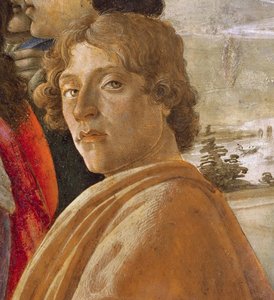
Sandro Botticelli
1445 - 1510 , İtalya
Kısa Bilgiler
- Doğum Tarihi: 1 Mart 1445
- Doğum Yeri: Floransa, İtalya
- Etkilenen Sanatçılar:
- Fra Angelico
- Paolo Uccello
- Notable Eserler:
- Venüs'ün Doğuşu
- İlkbahar
- Müneccim Kralların Tapınağı
- Sanat Akımları: ['Pre-Raphaelite']
- Sanatsal Akım: Erken Rönesans
- Tam Adı: Alessandro di Mariano Filipepi
- Uyruk: İtalyan
- Ölüm Tarihi: 17 Mayıs 1510
Benzer Yazılar

Capturing Forever: How Live-Painted Wedding Art Creates Unforgettable Keepsakes for Your Guests
Discover how live wedding painting elevates celebrations into immersive cultural events. Learn to integrate fine art as a luxury entertainment element and create bespoke, hand-painted keepsakes that transcend photography to preserve the emotional essence of your most significant milestones.
Erken Rönesans'ın Zirveleri: Sanat Tarihini Derinlemesine Etkileyen 10 Başyapıt
Erken Rönesans'ın 10 başyapıtıyla sanat tarihine yolculuk! Botticelli, Leonardo da Vinci gibi ustaların eserleriyle evinizi dönüştürün. AllPaintingsStore.com’da müze kalitesinde replikalar ve benzersiz dekorasyon fikirleri keşfedin.

Tuvalde Aşkın İzdüşümü: Düğün Portrelerinde Romantik Stil Seçimlerinin Anlamı ve Estetik Değerleri
Düğün portrelerinde romantik stilin anlamını keşfedin! Uzman tavsiyeleriyle aşkınızı ölümsüzleştirecek özel tasarım portreler için AllPaintingsStore'ı ziyaret edin. Kaliteli yağlı boya tablolar, kişiye özel seçenekler ve sanat danışmanlığı hizmeti.

Sandro Botticelli'nin En İyi 25 Eseri: Rönesans Sanatının İncileri | AllPaintingsStore
Sandro Botticelli'nin en iyi 25 eserini keşfedin! Rönesans sanatının incisi tabloların hikayelerini, renklerini ve anlamlarını öğrenin. Venus'un Doğuşu ve Primavera gibi ikonik yapıtlarla evinizi sanatsal bir şölene dönüştürün. AllPaintingsStore.com’da kaliteli sanat replikalarıyla tanışın.

Düğün Anılarının Ötesinde: Kişiye Özel Sanat Eserleriyle Zamansız Hatıralar Yaratmak
Düğün anılarınızı ölümsüzleştirin! Kişiye özel tablolarla aşkınızı sanata dönüştürün. Profesyonel sanatçılarımızla portre, davetiye çizimi ve canlı yağlı boya hizmetleri AllPaintingsStore'ta. Hemen keşfedin!


