


 Önizleme yap
 Paylaş
 Paylaş
 Detayları Gör

 İndir
İndir
 Benzerlerini gör
 X-Işını
 Slayt Gösterisi
Auguste devant le tombeau d'Alexandre


 Tümünü Gör
El Yapımı Yağlı Boya Reproduksiyon
Sanatçılarımız tarafından sipariş üzerine hazırlanan; istediğiniz boyut ve çerçevede, tuval üzerine el boyaması yağlı boya. ( Baskı satın al Görsel satın al)




P118B $10

P118H $10

P118W $10

P438Z $10

P508JH $12

P508YH $12

P805H $10

P805Z $10

P919BZ $10

P919G $10

P919XJ $10

P959ZH $10

P968JZ $12

W106C $8

W218G $10

W218JH $8

W218Y $10

W307PJ $10

W316G $10

W316PJ $8

W316Y $10

W398PJ $8

W4111J $10

W500HY $15

W500JH $15

W692G $12

W849H $8

W940BG $15

W953PJ $8




Eserin orijinal oranlarıyla uyumlu, önceden belirlenmiş boyutlarımız arasından seçim yapın.

Belirli bir çerçeveye veya alana uyması için kendi boyutlarınızı girebilirsiniz. Seçtiğiniz boyut orijinal görüntünün oranlarıyla eşleşmiyorsa, sanat eserini kırparak veya ek el boyaması öğelerle resmi uzatarak ayarlayacağız. Üretim başlamadan önce onayınız için dijital bir taslak gönderilecektir.
Lütfen ekrandaki önizlemenin gerçek kırpmayı veya uzatmayı yansıtmadığını unutmayın. Nihai kompozisyonu yalnızca hazırlanan taslak doğru şekilde gösterecektir.
Özel boyutlar mevcut olsa da, orijinal oranları korumak adına önceden tanımlanmış listeden bir boyut seçmenizi öneririz.
Siparişten sonra, AllPaintingsStore.com ekibi talimatlar için müşteriye e-posta gönderecek ve bir taslak önizleme sunacaktır
Dünya Çapında Teslimat (); standart 5 hafta yerine 3/4 haftada. (24 Ağustos). Kaliteden ödün verilmez.

Dünya Çapında Ücretsiz Ekspres Kargo

Yüksek Kaliteli Keten Tuval

Tam Kapsamlı Nakliye Sigortası

Gümrük Vergisi İade Garantisi

Gerçek Renk Uyumu Garantisi

60 Günlük İade Politikası (Sadece Kusurlu Ürünler İçin)

%100 Para İade Garantisi

Toplu Alım İndirimi
 Cam seçeneği yalnızca 110 cm altındaki boyutlar için mevcuttur.

Auguste devant le tombeau d'Alexandre
Reproduksiyon Tekniği
Reproduksiyon Boyutu
-


Toplam Tutar
$ 608
Eser Açıklaması
A Baroque Symphony of Memory and Legend
In the grand tapestry of the seventeenth century, few works capture the theatrical essence of the Baroque era as poignantly as Sébastien Bourdon’s Auguste devant le tombeau d'Alexandre. Executed around 1645, this monumental piece serves as more than a mere historical record; it is a visceral experience that invites the viewer into a moment of profound imperial piety and solemnity. The scene depicts Emperor Augustus paying homage to the tomb of Alexander the Great—a gesture steeped in symbolic significance that bridges the gap between Roman authority and the legendary heroism of antiquity. As one gazes upon the densely populated tableau, there is an immediate sense of being present within a sacred ritual, where the weight of history is felt through every meticulously rendered figure and architectural shadow.
Bourdon, a master whose versatility allowed him to navigate the stylistic currents of both France and Italy, utilizes a composition that mimics the dramatic stagecraft of his time. The arrangement of figures around the grand sarcophagus creates a dynamic movement, drawing the eye through a complex web of interaction and contemplation. While a central group engages in the primary act of reverence, scattered individuals throughout the foreground and background contribute to an atmosphere of collective emotion. This layering of subjects provides a sense of depth and chaos that is paradoxamente balanced by a clear hierarchy of importance, ensuring that the viewer's focus remains anchored to the monumental tomb of the conqueror.
The Mastery of Light and Tonal Depth
Though the medium of etching and engraving inherently relies on line, Bourdon achieves a painterly richness that rivals the finest oil works of his contemporaries, such as Rubens or Van Dyck. Through a masterful command of tonal gradation, he manipulates light and shadow to breathe life into the monochrome landscape. Dramatic lighting serves as the primary storyteller here, casting long, evocative shadows that emphasize the grandeur of the architectural elements and the somber mood of the gathering. The interplay between brilliant highlights on key figures and the deep, velvety darkness of the recesses creates a chiaroscuro effect that heightens the emotional intensity of the scene.
The palette, while restricted by its medium, is rich with earthy browns, ochres, and muted reds, providing a grounded, somber foundation for the narrative. These tones are punctuated by subtle splashes of white and blue that illuminate the central figures, acting as visual beacons within the crowded composition. This careful use of value allows Bourdon to suggest textures—from the cold, hard surface of the stone sarcophagus to the soft, flowing drapery of the mourners' garments—creating a tactile quality that engages the senses. For the collector or interior designer, such a work offers a sophisticated interplay of light and shadow, making it an ideal centerpiece for spaces that demand a sense of drama, history, and intellectual depth.
A Legacy of Symbolism and Eternal Remembrance
Beyond its technical brilliance, the artwork is a profound meditation on mortality and the enduring nature of fame. Drawing inspiration from historical chronicles like Suétone’s Vie des douze Césars, Bourdon weaves a narrative where the physical tomb serves as a bridge between the living and the dead. The presence of the sarcophagus bearing the likeness of Alexander symbolizes the Roman ideal of heroic virtue and the inevitable passage of time. There is an undeniable sense of grief and reverence permeating the air, a collective breath held in respect for a fallen titan.
For those seeking to adorn a collection with pieces that provoke thought and conversation, this reproduction offers an unparalleled opportunity. It is not merely a decoration but a window into the soul of the Baroque period—a time when art was used to explore the very limits of human emotion and imperial ambition. Owning a piece of Bourdon’s legacy means bringing into one's environment a fragment of history that continues to resonate with the themes of memory, legend, and the eternal pursuit of greatness.
Benzer Eserler


Sanatçı Özgeçmişi
Işık ve Çok Yönlülüğün Ustası: Sébastien Bourdon'un Yaşamı
Sébastien Bourdon (1616–1671), on yedinci yüzyıl Fransız Barok döneminin en büyüleyici ve çok yönlü figürlerinden biri olmaya devam ediyor. Montpellier'de Protestan sanatçılardan oluşan bir ailede dünyaya gelen sanatçının erken yaşamı, Güney Fransa'nın canlı ancak çoğu zaman çalkantılı sanatsal gelenekleriyle şekillendi. Genç bir çıraklıktan Académie Royale de Peinture et de Sculpture'un kurucu üyelerinden birine uzanan yolculuğu, derin ve huzursuz bir zekanın ve Avrupa'nın üslup akımlarını özümsemedeki eşsiz yeteneğinin bir kanıtıdır. Paris'teki ilk eğitiminin ardından Bourdon'un yolu Bordeaux ve Toulouse üzerinden kıtanın ruhani ve sanatsayı kalbi olan Roma'ya ulaştı. Yeteneği asıl İtalya'da parladı; burada Caravaggio, Nicolas Poussin} ve Claude Lorrain gibi ustaların eserlerine kendini kaptırdı. Bu yoğun çalışma dönemi, onun Caravaggisti akımının sert ve dramatik realizminden Venedik okulunun ışıl ışıl, klasik zarafetine kadar geçiş yapabilen benzersiz bir görsel dil geliştirmesine olanak tanıdı.Üslup ve Tekniğin Evrimi
Bourdon'un eserlerini asıl ayırt eden şey, çağdaşlarından bazen hayranlık bazen de eleştiri almasına neden olan olağanüstü üslup akışkanlığıdır. Sanatçının gelişimi, farklı Avrupa gelenekleriyle yaşadığı bir dizi dönüştürücü karşılaşmayla damgalanmıştır. Venedik'e yaptığı kilit bir ziyaretin ardından paleti derin bir metamorfoza uğradı; erken dönem eğitimindeki keskin kontrastlar, yerini Venedik ustalarından ilham alan daha zengin ve atmosferik bir renk kullanımına bıraktı. Bu evrim, onun birbirinden farklı türler arasında ustalıkla gezinebilmesini sağladı. Portrelerinde sıklıkla Rubensvari bir yaklaşım benimsedi veya Kontes Ebba Sparre'deki İsveçli soylu kadın örneğinde olduğu gibi, deneklerinin psikolojik derinliğini ve zarafetini yakalayan samimi, göğüs boy kompozisyonları tercih etti. Buna karşılık, dini eserlerinde ruhani bir huşu uyandırmak için dramatik bir chiaroscuro (ışık-gölge) tekniği kullandı; bunun en belirgin örneği ise Notre Dame katedrali için yarattığı anıtsal şaheseri Aziz Petrus'un Çarmıha Gerilişi adlı eseridir.Miras ve Tarihi Önem
Bourdon, bireysel tuvallerinin ötesinde, Fransız sanatının kurumsallaşmasında çok önemli bir rol oynamıştır. 1648 yılında Kraliyet Akademisi'nin kurucu ortaklarından biri olarak, nesiller boyu Fransız resmini tanımlayacak olan mükemmellik standartlarının belirlenmesine yardımcı oldu. Kariyeri aynı zamanda olağanüstü bir hizmet genişliğiyle karakterize edilmiştir; seçkin bir portre ustası olarak kazandığı ün, onu İsveç Kraliçesi Christina'ın sarayına kadar götürdü ve burada saray ressamı olarak görev yaparak Paris ve Roma'nın sofistike estetiğini Stockholm'e taşıdı. İster Musa ve Tunç Yılan tablosundaki sarsıcı gerilimi, ister klasik manzaraların huzurlu görkemini tasvir etsin, Bourdon'un çalışmaları Barok döneminin ikili ruhunu bünyesinde barındırır: insanlık durumunun yoğun duygusal dramı ve klasik güzelliğin dengeli, entelektüel arayışı. Fransa'nın naturalist geleneklerini İtalya'nın anıtsal stilleriyle sentezleme yeteneği, onun Avrupa sanat tarihinin panteonundaki kalıcı yerini güvence altına almaktadır.
Sébastien Bourdon
1616 - 1671 , Fransa
Kısa Bilgiler
- Artistic Movement Or Style: Barok
- Artists Or Movements Influenced By This Artist: ['Fransız Barok Sanatı']
- Artists Who Influenced This Artist:
- Nicolas Poussin
- Claude Lorrain
- Caravaggio
- Date Of Birth: 2 Şubat 1616
- Date Of Death: 8 Mayıs 1671
- Full Name: Sébastien Bourdon
- Nationality: Fransız
- Notable Artworks:
- Aziz Petrus'un Çarmıha Gerilişi
- İsa'nın Aşağı İndirilişi
- Place Of Birth: Montpellier, Fransa
İlgili Makaleler

The Visceral Stage: Exploring Dramatic Narratives & Emotional Intensity in Baroque Art
Explore the dramatic world of Baroque art! Discover iconic masters like Caravaggio & Rembrandt, their techniques, and the movement's lasting impact. Expert insights for collectors & enthusiasts at AllPaintingsStore.

The Dramatic Flourish: Exploring the Baroque Movement's Enduring Legacy in Art History
Explore the dramatic world of Baroque art! Discover iconic artists like Caravaggio & Rubens, defining techniques, and its lasting impact on art history. Expert insights for collectors & enthusiasts at AllPaintingsStore.

Decoding Baroque Grandeur: A Guide to the Drama and Emotion of 17th-Century Art
Explore the breathtaking drama of 17th-century Baroque art. Our expert guide decodes the use of chiaroscuro, emotional intensity, and historical grandeur to help you appreciate and curate timeless masterpieces for your collection.
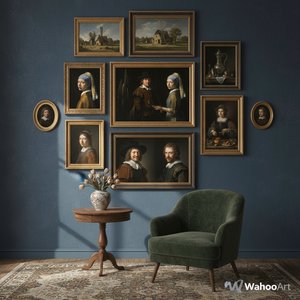
Dutch Baroque Masters: 10 Paintings That Shaped an Era | AllPaintingsStore
Journey through the Golden Age with our guide to the Top 10 Dutch Baroque masterpieces! Explore iconic paintings by Rembrandt, Vermeer & Frans Hals. Find museum-quality art reproductions and elevate your home decor at AllPaintingsStore.com.

Masterpieces of the 17th Century: Art, History & Decor Inspiration | AllPaintingsStore
Journey through 17th century art with masterpieces by Rembrandt, Vermeer & Caravaggio. Explore Baroque paintings, Dutch Golden Age techniques & timeless beauty. Find museum-quality reproductions and elevate your home decor on AllPaintingsStore.com.


