


 Önizleme yap
 Paylaş
 Paylaş
 Detayları Gör
 Rehber

 İndir
İndir
 Benzerlerini gör
 X-Işını
 Slayt Gösterisi
 İstatistikler
Virgin and Child with Saint Catherine of Alexandria
 Oil On Canvas
- WallArt
- Baroque
 1630
1630- Renaissance
 109.0 x 91.0 cm
 Metropolitan Sanat Müzesi
 Tümünü Gör
El Yapımı Yağlı Boya Reproduksiyon
Sanatçılarımız tarafından sipariş üzerine hazırlanan; istediğiniz boyut ve çerçevede, tuval üzerine el boyaması yağlı boya. ( Baskı Moduna Geç Dijital Görsele Geç)




































Eserin orijinal oranlarıyla uyumlu, önceden belirlenmiş boyutlarımız arasından seçim yapın.

Belirli bir çerçeveye veya alana uyması için kendi boyutlarınızı girebilirsiniz. Seçtiğiniz boyut orijinal görüntünün oranlarıyla eşleşmiyorsa, sanat eserini kırparak veya ek el boyaması öğelerle resmi uzatarak ayarlayacağız. Üretim başlamadan önce onayınız için dijital bir taslak gönderilecektir.
Lütfen ekrandaki önizlemenin gerçek kırpmayı veya uzatmayı yansıtmadığını unutmayın. Nihai kompozisyonu yalnızca hazırlanan taslak doğru şekilde gösterecektir.
Özel boyutlar mevcut olsa da, orijinal oranları korumak adına önceden tanımlanmış listeden bir boyut seçmenizi öneririz.
Siparişten sonra, AllPaintingsStore.com ekibi talimatlar için müşteriye e-posta gönderecek ve bir taslak önizleme sunacaktır
Dünya Çapında Teslimat (); standart 5 hafta yerine 3/4 haftada. (21 Eylül). Kaliteden ödün verilmez.

Dünya Çapında Ücretsiz Ekspres Kargo

Yüksek Kaliteli Keten Tuval

Tam Kapsamlı Nakliye Sigortası

Gümrük Vergisi İade Garantisi

Gerçek Renk Uyumu Garantisi

100 Günlük İade Politikası (Sadece Kusurlu Ürünler İçin)

%100 Para İade Garantisi

Toplu Alım İndirimi
 Cam seçeneği yalnızca 110 cm altındaki boyutlar için mevcuttur.

Virgin and Child with Saint Catherine of Alexandria
Reproduksiyon Tekniği
Reproduksiyon Boyutu
-


Toplam Tutar
$ 308
Virgin and Child with Saint Catherine of Alexandria: A Baroque Masterpiece
- Artist: Anthony van Dyck
- Date: 1630
- Size: 109 x 91 cm
- Medium: Oil on Canvas
Subject and Composition
This captivating oil painting, "Virgin and Child with Saint Catherine of Alexandria," showcases a tender religious scene characteristic of the Baroque period. The central focus is the Virgin Mary cradling the infant Jesus, who responds with playful enthusiasm to the adoring gaze of Saint Catherine of Alexandria. Saint Catherine, identified by her pearls and the symbolic martyr’s palm, represents purity and intercession for young women, reflecting a significant aspect of Christian devotion during Van Dyck's time.
The composition is carefully structured around a pyramidal form, drawing the viewer's eye to the mother and child. The background features an elaborate tapestry of roses and foliage, partially obscuring a distant landscape, adding depth and visual interest without distracting from the central figures. Van Dyck masterfully uses flowing lines and curves to suggest movement and emotion within the scene.
Style and Technique
The artwork is firmly rooted in the Baroque style, evident in its dramatic use of light and shadow (chiaroscuro). This technique emphasizes the forms of the figures and creates a sense of depth and realism. Van Dyck’s brushwork is meticulous yet visible, contributing to the rich texture of the fabrics and skin tones. He demonstrates a clear admiration for Italian masters like Titian and Veronese, incorporating their influence into his own distinctive style.
The painting's perspective is somewhat flattened, a common characteristic of Baroque art that prioritizes emotional impact over strict realism. The layering of elements and the use of atmospheric perspective further enhance the sense of depth within the composition.
Symbolism and Emotional Impact
- Roses: Represent purity and divine love associated with the Virgin Mary.
- Foliage: Symbolizes divine grace and abundance.
- Saint Catherine’s Palm: Represents her martyrdom and unwavering faith.
Beyond its visual beauty, "Virgin and Child with Saint Catherine of Alexandria" evokes a profound sense of piety, tenderness, and reverence. The warm humanity depicted in the figures' expressions and gestures creates an emotional connection with the viewer. The painting’s overall effect is one of serene devotion and spiritual contemplation.
Historical Context
Painted around 1630 during Van Dyck’s time in Antwerp, this work reflects his artistic development after years spent studying Italian masters. It exemplifies the flourishing Flemish Baroque movement, known for its dramatic compositions, rich colors, and emotional intensity. The painting's subject matter—a depiction of Mary, Jesus, and a saint—was a common theme in religious art during this period, often serving as devotional images for private homes or churches.
Benzer Eserler


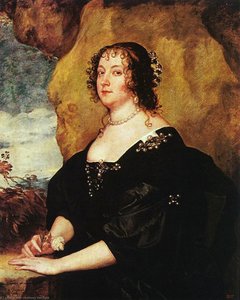

Sanatçı Özgeçmişi
A Flemish Master at the Courts of Europe
Sir Anthony van Dyck, born in Antwerp in 1599, emerged as one of the most celebrated and influential portraitists of the Baroque era. His life, though tragically cut short at just forty-two years old, was a whirlwind of artistic exploration and prestigious commissions that took him from his native Flanders to Italy and ultimately to the heart of the English court. From an early age, van Dyck displayed remarkable talent, entering Hendrick van Balen’s workshop as a young apprentice and quickly absorbing the prevailing styles of the time. However, it was his association with Peter Paul Rubens – not merely as a student but as a collaborator – that truly shaped his artistic foundation. He learned from Rubens' dynamic compositions, rich color palettes, and masterful handling of light and shadow, yet van Dyck soon began to forge his own distinct path, one characterized by an elegance and refinement that would become his signature.Italian Sojourns and the Birth of a Style
The years van Dyck spent in Italy, beginning around 1621, proved pivotal in his artistic development. He resided primarily in Genoa, where he found favor among the city’s aristocratic families. It was here that he began to cultivate the sophisticated style for which he would become renowned – a style marked by graceful poses, luxurious fabrics, and an almost palpable sense of nobility. Unlike the robust energy often found in Rubens' work, van Dyck’s Italian portraits exude a refined composure, capturing not just physical likeness but also the inner character and social standing of his sitters. During this period, he embarked on his *Iconography*, a series of meticulously rendered portrait etchings featuring prominent figures of his time – artists, scholars, and rulers alike. This project showcased his exceptional technical skill and established him as a leading printmaker. These etchings weren’t simply records; they were carefully constructed images designed to immortalize the subjects and convey their status and intellect. He also honed his skills in watercolor painting, experimenting with delicate washes of color that complemented his oil paintings beautifully.Rubens' Influence: Shaping His Artistic Vision
Peter Paul Rubens undeniably served as a formative influence on van Dyck’s artistic sensibilities. Rubens’ monumental canvases—filled with dramatic movement and vibrant hues—taught van Dyck the importance of grand scale and expressive gesture. However, recognizing that Rubens’ style wasn’t suited to his own temperament, van Dyck skillfully adapted Rubens' techniques while maintaining his distinctive aesthetic. He embraced a more restrained approach, prioritizing subtlety and nuance – qualities that would become hallmarks of his oeuvre. This careful balance between dynamism and elegance distinguishes van Dyck’s work from many of his contemporaries and underscores the profound impact of Rubens on his artistic development.The King's Painter: Van Dyck in England
In 1632, van Dyck received an invitation that would forever alter his career trajectory – a summons from Charles I of England to become the court painter. This appointment marked a turning point, not only for van Dyck but also for English portraiture. He arrived in London with a considerable reputation and quickly became indispensable to the king, tasked with creating images that projected an aura of power, majesty, and divine right. Van Dyck’s portraits of Charles I are particularly noteworthy; he moved away from the stiff, formal representations favored by earlier artists, instead portraying the king as a dynamic, charismatic leader. He employed innovative techniques – dramatic lighting, sweeping gestures, and carefully chosen backgrounds – to create images that were both visually stunning and politically charged. His influence extended beyond the royal family, shaping the visual culture of the English aristocracy for generations to come. He didn’t just paint portraits; he crafted an image of kingship, influencing how royalty was perceived for over a century.Legacy and Enduring Influence
Van Dyck's untimely death in 1641 tragically curtailed his artistic career, yet his legacy continues to resonate throughout art history. His contributions to portraiture are unparalleled; he elevated the genre to new heights of sophistication and psychological insight. He established a standard of elegance and refinement that subsequent artists would strive to emulate.- Technical Mastery: Van Dyck’s command of oil paint, etching, and watercolor demonstrated an extraordinary level of skill and innovation.
- Stylistic Innovation: His portraits are distinguished by their graceful poses, luxurious fabrics, and subtle expressions—a style that captivated audiences across Europe.
- Cultural Significance: He profoundly impacted the visual culture of his time, shaping perceptions of royalty and aristocratic identity.
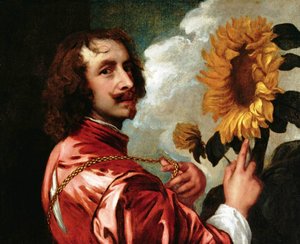
Anthony Van Dyck
1599 - 1641 , Belçika
Kısa Bilgiler
- Artistic Movement Or Style: Barok
- Artists Or Movements Influenced By This Artist: ['İngiliz Portre Okulu']
- Artists Who Influenced This Artist: ['Peter Paul Rubens']
- Date Of Birth: Mart 22, 1599
- Date Of Death: Aralık 9, 1641
- Full Name: Sir Anthony van Dyck
- Nationality: Flamanca
- Notable Artworks:
- Portre Çocuğun ve Kızının
- Charles I Kralı için Atlı Portresi
- John Stuart Lord ve Kardeşi
- Şefkat
- Charles I Üç Pozisyonda
- Place Of Birth: Anvers, Belçika
İlgili Makaleler

Sir Anthony van Dyck: Courtly Portraiture & the Shaping of Baroque Identity
Explore the life & legacy of Sir Anthony van Dyck, the leading court painter of his era. Discover his innovative portraiture, Baroque masterpieces, and investment potential for discerning collectors. Learn more at AllPaintingsStore.

The Grandeur of Baroque Portraiture: Power, Emotion & Artistic Innovation
Explore the grandeur of Baroque portraiture! Discover Rubens, Van Dyck & the masters of 17th-century art. Uncover symbolism, techniques & lasting influence. Expert insights for collectors and enthusiasts.

Early Netherlandish Masters: 10 Paintings That Revolutionized Art & Decor
Journey into the world of Early Netherlandish painting! Explore 10 masterpieces by Jan van Eyck, Rogier van der Weyden & more. Discover stunning detail, symbolism & Renaissance art for your home decor. Find museum-quality reproductions on AllPaintingsStore.com
Rembrandt'ın En Ünlü 25 Eseri: Sanat Tarihine Işık Tutan Başyapıtlar
Rembrandt'ın en ünlü 25 eserini keşfedin! Hollanda Altın Çağı'nın bu Barok dehasının ışık ve gölge oyunlarıyla dolu portreleri, tarihi resimleri sizi büyüleyecek. Sanat baskıları ve ev dekorasyonu için AllPaintingsStore.com'da Rembrandt koleksiyonunu inceleyin.
Dutch Baroque Masters: 10 Paintings That Shaped an Era | AllPaintingsStore
Journey through the Golden Age with our guide to the Top 10 Dutch Baroque masterpieces! Explore iconic paintings by Rembrandt, Vermeer & Frans Hals. Find museum-quality art reproductions and elevate your home decor at AllPaintingsStore.com.


