Para İadesi Garantisi · 100 gün Dünya Çapında Ücretsiz Teslimat
449.564sanat eserleri 30.613sanatçılar 4.660müzeler 32Dil Seçenekleri
Katalog kaydı

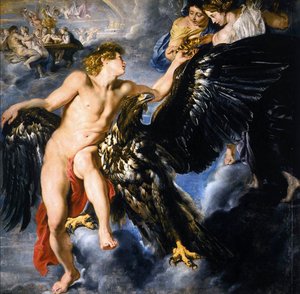
Aeolus

Oil On Canvas.

Şekil 1. Pietro Paolo Rubense, Aeolus. Belirttiğiniz reprodüksiyon olarak gösterilmektedir: , .

§ 1Katalog verileri

§ 2Soyut

Eser Açıklaması

Experience the dramatic dynamism of Sir Peter Paul Rubens’s "Aeolus," a captivating Baroque masterpiece featuring a man surrounded by swirling birds and intricate details like a clock and vases – perfect for art lovers seeking a timeless piece to own.

Sanatçı Biyografisi

Peter Paul Rubens: Barok sanatının zirvesi! İsa’nın çarmıhtan indirilmesini tasvir eden ikonik eserleriyle tanınır. Dinamik kompozisyonları ve canlı renkleriyle sanat tarihinin en etkileyici figürlerinden biri olarak unutulmaz bir miras bıraktı.

§ 3Yorumlar

A Symphony of Flight: Unveiling Rubens’ “Aeolus”

Peter Paul Rubens' "Aeolus" is not merely a depiction of birds; it’s an immersive experience, a Baroque explosion of movement and emotion that captures the very essence of untamed nature. Painted during the height of Rubens’ career – a period defined by his unparalleled mastery of color, composition, and dramatic storytelling – this work exemplifies the artist's signature style: opulent detail interwoven with dynamic energy. The scene unfolds as a theatrical tableau, dominated by a central figure, seemingly holding dominion over a swirling vortex of avian life. This isn't a simple study of ornithology; it’s a carefully constructed allegory, a visual meditation on control, chaos, and the sublime power of the natural world.

The Man and His Charge: Symbolism in Detail

At the heart of “Aeolus” stands a man, his hand outstretched as if to guide or perhaps even command the flock. While his identity remains enigmatic – a deliberate choice by Rubens that invites interpretation – he embodies a potent symbol of human agency within a larger, uncontrollable system. The bird he holds is not explicitly identified, adding to the painting’s open-endedness and allowing viewers to project their own meanings onto the scene. Notice the meticulous detail with which Rubens renders the bird in his hand; it's a focal point, drawing our eye and emphasizing the man's role as both captor and custodian. The presence of the clock, perched atop one of the birds, introduces an element of temporal disruption, hinting at the fleeting nature of control and the relentless march of time – a recurring theme in Rubens’ work.

Baroque Technique: A Masterclass in Color and Texture

Rubens' technique is immediately recognizable. He employs a loose, painterly style characterized by broad brushstrokes and vibrant color palettes. The sheer abundance of birds—at least thirteen visible—is achieved through meticulous layering and glazing, creating an illusion of depth and volume that seems to lift them off the canvas. Observe how he uses light and shadow to sculpt the forms, emphasizing the textures of feathers and flesh. The rich reds, blues, and golds – hallmarks of Rubens’ palette – contribute significantly to the painting's dramatic impact. His use of *sfumato*, a subtle blurring technique, softens edges and creates an atmospheric haze, further enhancing the sense of movement and dynamism. This masterful manipulation of color and texture is what elevates “Aeolus” beyond a simple depiction of birds; it’s a testament to Rubens’ technical brilliance.

Historical Context: Antwerp at its Zenith

"Aeolus" was created during a period of immense artistic and cultural flourishing in Antwerp, the capital of the Habsburg Netherlands. The city served as a vibrant hub for trade, diplomacy, and artistic innovation, attracting artists from across Europe. Rubens himself played a pivotal role in shaping this artistic landscape, becoming court painter to both Philip II of Spain and later, James I of England. His work reflects the prevailing tastes of the Baroque era – characterized by grandeur, emotional intensity, and a fascination with classical mythology and biblical narratives. “Aeolus” stands as a prime example of Rubens’ ability to synthesize these influences into a uniquely personal and powerfully expressive style. Its creation coincided with a period of intense patronage, fueling the production of ambitious works like this one.

Soru ve Cevaplar

"Aeolus" adlı eser, Pietro Paolo Rubense kariyerinin hangi dönemine ait?

Pietro Paolo Rubense'in kariyerinde "Aeolus", Mature Period dönemine denk gelmektedir. Bu evre, eserin sanatçının diğer çalışmalarıyla kıyaslanmasına olanak tanır.

"Aeolus" adlı eser, Baroque Splendor akımının ünlü bir eseri mi?

Pietro Paolo Rubense imzalı "Aeolus", Iconic düzeyinde bir eser olarak sınıflandırılmakta ve Baroque Splendor akımına ait bulunmaktadır.

Pietro Paolo Rubense imzalı "Aeolus" eserinin formatı için hangi yerleşim uygundur?

Square formundaki "Aeolus" reprodüksiyonunun bir Living Room için uygun olduğu önerilmektedir.
§ 4Sanatçı

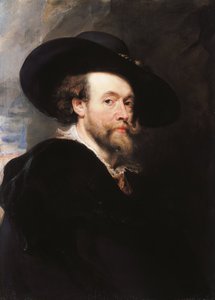
Pietro Paolo Rubense

Pietro Paolo Rubense

1577 - 1640, Almanya

Pietro Paolo Rubense hakkında kısa bilgiler

  • Artistic Movement Or Style: Baroko
  • Artists Or Movements Influenced By This Artist:
    • Anthony van Dyck
    • Jacob Jordaens
  • Artists Who Influenced This Artist:
    • Michelangelo
    • Raphael
    • Titian
  • Date Of Birth: 28 Haziran 1577
  • Full Name: Sir Peter Paul Rubens
  • Nationality: Flamenko
  • Notable Artworks:
    • Çarmısta İndirme
    • Haç Yükseltilmesi
    • İsabella Brant Portresi
  • Place Of Birth: Siegen, Almanya

Sanatçı Özgeçmişi

Sir Peter Paul Rubens: A Baroque Master!

Peter Paul Rubens, a name synonymous with the exuberant grandeur of the Baroque era, transcended mere artistic talent; he was a diplomat, scholar, and cultural architect whose indelible mark reshaped the visual landscape of 17th-century Europe. Born on June 28, 1577, in Siegen (Westphalia), Germany—a location reflecting his family’s turbulent origins—Rubens' early life unfolded amidst displacement, an experience that subtly imbued his oeuvre with a palpable sense of drama and emotional resonance. His father, Jan Rubens, a lawyer fleeing persecution for his Calvinist beliefs, abruptly relocated the family from Antwerp, then under Spanish dominion, fostering in young Peter Paul a resilience and adaptability that would prove invaluable throughout his multifaceted career. The untimely death of Jan Rubens in 1587 propelled the family back to Antwerp, where he received a humanist education before embarking on his artistic apprenticeship around 1590, honing foundational skills under Tobias Verhaecht and Adam van Noort—masters who instilled in him meticulous observation and technical precision.

The Italian Awakening: Absorbing Renaissance Genius

A pivotal moment arrived in 1600 when Rubens embarked upon a transformative pilgrimage to Italy – a journey that irrevocably cemented his artistic vision. For eight years, he immersed himself in the monumental masterpieces of Michelangelo, Raphael, and Titian, absorbing their unparalleled mastery of form, color, and composition. The influence of these Renaissance titans is unmistakably evident in Rubens’s formative Italian works, characterized by classical themes and idealized figures—a deliberate homage to the artistic ideals that had dominated Europe for centuries prior. Yet, Rubens didn't merely emulate; he synthesized these influences with his innate genius, forging a distinctive style marked by vibrant hues, dynamic compositions, and a sensual depiction of the human form. He undertook exhaustive anatomical studies, resulting in figures imbued with both physical realism and profound emotional depth—a hallmark of Baroque art’s ambition to capture the complexities of human experience. This period wasn't solely focused on artistic technique; it represented an intellectual awakening, fostering a deep appreciation for classical mythology and literature which would become recurring motifs throughout his prolific output.

Antwerp: Establishing Artistic Dominance

Returning to Antwerp in 1608 following news of his mother’s passing—a deeply personal tragedy that profoundly impacted him—Rubens swiftly established himself as the undisputed artistic leader of his time, securing commissions from influential patrons and cementing his reputation as a visionary artist. Recognizing the burgeoning potential of his talent, he commissioned a magnificent studio designed in the Italian Renaissance style by Peter Paul Wreneman – a space meticulously crafted to facilitate experimentation and inspire creativity. He married Isabella Brandt in 1610, forging a partnership that would endure until her untimely death in 1640—a loss that devastated Rubens and fueled his artistic fervor. During this period, he served as court painter to the Archduke Albert and Isabella of Austria, skillfully navigating the political intricacies of Habsburg rule while simultaneously producing an astonishing array of artworks – including monumental altarpieces for churches across Flanders and Brabant.

A Diplomatic Career Alongside Artistic Creation

Beyond his artistic pursuits, Rubens possessed remarkable diplomatic acumen—a skill honed during his service to the Spanish Crown and subsequently utilized in negotiations with Protestant factions during the Eighty Years’ War. His unwavering commitment to diplomacy underscored his multifaceted intellect and broadened his perspective on European affairs – a duality that enriched both his personal life and his artistic output. Notably, he undertook a daring mission to England in 1620-1621, securing royal patronage for his art and bolstering the Habsburg cause amidst escalating tensions with Protestant powers. His involvement in the decoration of Whitehall Palace—a project fraught with challenges posed by Cardinal Richelieu—demonstrated his artistic prowess alongside his political savvy.

Legacy: Shaping Baroque Art Forever

Rubens’s influence on subsequent generations of artists is undeniable; painters like Anthony van Dyck, Jacob Jordaens, and Eugène Delacroix recognized him as a beacon of inspiration – absorbing his masterful technique and embracing his dynamic compositional style. His legacy extends far beyond the canvases he created—he elevated painting to new heights of prestige and artistic innovation, establishing Antwerp as a vibrant epicenter of Baroque art production during the 17th century. Sir Peter Paul Rubens remains, centuries later, an enduring symbol of artistic genius and Baroque splendor – a testament to the transformative power of creativity and the indelible imprint left upon European cultural history. His monumental works continue to captivate audiences worldwide, ensuring that his vision—characterized by dynamism, color, and profound emotional depth—will resonate for generations to come.

§ 5İlgili eserler

§ 6Sorular

Hızlı Bilgiler

  • Medium: Oil on canvas
  • Title: Aeolus
  • Notable elements: Birds, clock, vases
  • Location: Private Collection
  • Year: 1609-1610

§ 7Bu çalışmaya atıf yapın

AllPaintingsStore.com, “Pietro Paolo Rubense, Aeolus”, https://allpaintingsstore.com/tr/art/sir-peter-paul-rubens-aeolus-D2U94B-en/ArtistReproduction/ (erişim tarihi 6 Ekim 2026).

§ 8Reproduksiyon

El Yapımı Yağlı Boya Reproduksiyon

Sanatçılarımız tarafından sipariş üzerine hazırlanan; istediğiniz boyut ve çerçevede, tuval üzerine el boyaması yağlı boya. ( Baskı Satışına Geç Dijital Görsele Geç)

Sipariş fişinin kenar notunda belirtilmiştir; söz konusu fişin güncel durumu şu şekildedir:

Aeolus

Reproduksiyon Tekniği

Reproduksiyon Boyutu

-

Seçkin Kıdemli Sanatçı

Daha fazla detay, incelik ve ek üretim süresi

-

Reproduksiyon Çerçevesi

-

-

Herhangi bir kenarı 105 cm'den (yaklaşık 41 inç) büyük olan sanat eserleri veya reprodüksiyonlar için çerçeve, demonte edilmiş bir kit halinde gönderilecektir. Bu yöntem, güvenli teslimat sağlar ve taşıma sırasında oluşabilecek hasarları önler.

Profesyonel montaj gereklidir; bu ürün kendin yap (DIY) tarzı bir ürün değildir.
Kit; ahşap tutkalı (pakete dahil değildir), kanvas germe pensi ve tutkal kururken çıtaların dik durmasını sağlayacak işkenceler kullanılarak, deneyimli bir profesyonel çerçeveci tarafından monte edilmeli ve kanvas gerilmelidir. Hatalı montaj veya dengesiz kanvas gerginliği sanat eserine kalıcı zarar verebilir ve bu durum garantimiz kapsamında değildir.

  • Tüm masif ahşap çıtalar dahildir, montaj için hassas bir şekilde ölçülmüştür.

  • Paket içeriğinde bulunan vidalar ve köşe birleşimleri için ustanız tarafından temin edilmesi gereken, ancak pakete dahil olmayan ahşap tutkalı ile monte edilir.

  • Profesyonel araçlar gereklidir ve pakete dahil değildir: bir tuval germe aparatı (gerdirici) ve yapıştırıcı kururken çıtaların dik durmasını sağlayacak kıskaçlar.

Önemli:
Köşe bağlantıları için ahşap tutkalı gereklidir; tutkal tamamen kuruyana kadar çıtalar işkenceler ile sabitlenmelidir ve monte edilmiş çerçeve üzerindeki kanvasın gerilmesi için bir kanvas germe pensine ihtiyaç duyulur. Bunların hiçbiri kit içerisinde yer almamaktadır. Lütfen bu boyutu sipariş etmeden önce deneyimli bir profesyonel çerçeve ustası ile anlaşın.

Eser Etiketi

-

-

Koruyucu Vernik Katmanı

Parlak Vernik (renkleri canlandırır; ışığa ve neme karşı koruma sağlar)

-

Eserimi Özelleştir

Değiştirilebilecek örneklere göz atın: Yüzü müşteri fotoğrafıyla değiştirin; Evcil hayvan ekleyin (örneğin, kediyi köpek ile değiştirin); Arka plana gizli bir mesaj dahil edin; Arka plan manzarasını veya öğelerini değiştirin.

-

Hızlı Teslimat

Dünya Çapında Teslimat (); standart 5 hafta yerine 3/4 hafta içinde. (3 Kasım). Kaliteden ödün verilmez.

-

Hızlı Gönderim

için dünya çapında 5 haftalık teslimat süresi. (10 Kasım).

Dahil

Toplam Tutar

₺ 12684

Her siparişle birlikte gelir

  • Dünya Çapında Ücretsiz Ekspres Kargo
  • Yüksek Kaliteli Keten Kanvas
  • Tam Nakliye Sigortası
  • Gümrük Vergisi İadesi Garantisi
  • Gerçek Renk Uyumu Garantisi
  • 100 Günlük İade Politikası (Sadece Kusurlu Ürünler İçin)
  • %100 Para İade Garantisi
  • Toplu Alım İndirimi
Sipariş formu