


 Önizle
 Gönder
 Paylaş
 Detaylar
 Rehber

 Dosyayı İndir
 Benzerleri
 X-Işını
 Slayt Gösterisi
 Q&A
Q&A İstatistikler
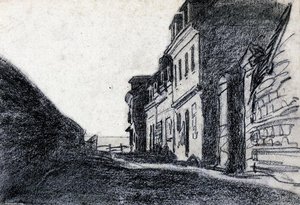
Rooftops - naples

 Devamını Oku
Giclée / Sanat Baskısı
Hızlı üretim ve esnek bitiş seçenekleriyle müze kalitesinde giclée veya kanvas baskı. ( El Yapımı Tablo Satın Al Dijital Görsel Satışına Geç)




































Eserin orijinal oranlarıyla uyumlu, önceden belirlenmiş boyutlarımız arasından seçim yapın.

Çerçevenize veya duvarınıza uygun olması için ihtiyacınız olan genişlik ve yüksekliği yazın. Bir baskı yalnızca kesilebilir, görselden daha büyük hale getirilemez; bu nedenle farklı bir formdaki boyut seçimi, görselin bir kısmının kaybına neden olur. Herhangi bir baskı yapmadan önce onaylamanız için size bir dijital taslak gönderiyoruz. Bu sayfada gösterilen resim gerçek kesimi göstermez — bunu yalnızca taslak gösterir.
Dünya Çapında Teslimat (); standart 4/5 hafta yerine 2 haftada. (30 Ekim)

Dünya Çapında Ücretsiz Ekspres Kargo

Yüksek Kaliteli Keten Tuval

Tam Nakliye Sigortası

Gümrük Vergisi İadesi Garantisi

Gerçek Renk Uyumu Garantisi

100 Günlük İade Koşulları (Sadece Üretim Hatalı Ürünler İçin)

%100 Para İade Garantisi

Toplu Alım Avantajı
 Cam seçeneği yalnızca 110 cm altındaki boyutlar için mevcuttur.

Rooftops - naples
Giclée / Sanat Baskısı
Baskı Boyutu
-


Toplam Fiyat
₺ 3139
İlgili Eserler



Sanatçı Biyografisi
Thomas Jones (1742 – 1803): Bridging Classical Tradition and Romantic Vision
Thomas Jones, born in Trefonnen near Llanelly, Glamorgan, Wales, in 1742, stands as a pivotal figure in Welsh art history—a painter who defied expectations of his time while simultaneously honoring the legacy of his predecessors. His life was inextricably linked to the landscape of Powys and Pencerrig Estate, shaping both his artistic sensibilities and biographical narrative. Educated at Christ College Brecon and Llanfyllin School before pursuing studies at Oxford University – funded by a maternal uncle’s generosity – Jones initially envisioned a clerical vocation but swiftly abandoned it for the pursuit of art, recognizing its profound connection to his inner passions.- Early Influences & Training: Jones's artistic journey began under the tutelage of Richard Wilson, arguably Wales’s most celebrated landscape painter and a champion of classical ideals. Wilson instilled in him a meticulous attention to detail and a dedication to capturing the grandeur of nature with accuracy and restraint—principles that would permeate Jones’s oeuvre throughout his career.
- London Years & Artistic Development: Moving to London in 1761, Jones enrolled at William Shipley's Drawing School where he honed his skills alongside fellow artists, though he struggled with figurative drawing, a challenge he skillfully overcame by collaborating closely with Wilson. This partnership proved invaluable, fostering intellectual exchange and solidifying Jones’s commitment to mastering the techniques of landscape painting.
The Naples Drawings: A Revolutionary Breakthrough
Jones's artistic reputation ascended dramatically in the latter half of his life thanks to the discovery of a remarkable trove of paintings undertaken during his travels to Naples between 1782 and 1783. These drawings, initially dismissed as sketches intended for private contemplation, represent a radical departure from prevailing artistic conventions—a bold assertion of direct observation and an embrace of atmospheric perspective that foreshadowed the burgeoning Barbizon School movement in France. Unlike the idealized depictions favored by his contemporaries, Jones’s Naples views captured the weathered beauty of crumbling fortifications and the subtle nuances of light and shadow, reflecting a profound engagement with the natural world. They stand as testament to his pioneering spirit and cemented his place among the artistic innovators of his era.- Barbizon Influence: Critics recognized Jones’s Naples drawings as precursors to Camille Corot and the Barbizon School, marking him as an artist who anticipated the Romantic aesthetic's emphasis on untamed landscapes and emotional expression.
Memoirs & Legacy: An Unsung Voice of the Enlightenment
Published posthumously in 1951 after decades of obscurity, Thomas Jones’s autobiography—“Memoirs of Thomas Jones of Pencerrig”—provides invaluable insight into the artistic and intellectual milieu of the eighteenth century. This meticulously documented account illuminates Jones's personal struggles, his unwavering devotion to art, and his profound understanding of Welsh culture and identity. It serves as a crucial corrective to conventional biographical narratives, revealing Jones’s complex character—a man driven by both ambition and humility—and establishing him as an artist whose work transcended mere technical proficiency to embody the spirit of Enlightenment thought.Notable Works & Artistic Style
Jones's artistic style evolved over time, transitioning from meticulously rendered classical landscapes to more expressive depictions imbued with Romantic sensibilities. His paintings are characterized by a masterful command of technique—particularly impasto brushwork—which conveys textural richness and captures the dynamism of Welsh scenery. Recurring themes include dramatic vistas, fortified castles, and evocative portraits reflecting his deep appreciation for both artistic tradition and natural beauty.
Thomas Jones
1742 - 1803 , United Kingdom
Kısa Bilgiler
- Artistic Movement Or Style: Romantic Landscape
- Artists Or Movements Influenced By This Artist: Camille Corot, Barbizon School
- Artists Who Influenced This Artist: Richard Wilson
- Date Of Birth: 1742
- Date Of Death: 1803
- Full Name: Thomas Jones
- Nationality: Welsh
- Notable Artworks:
- Rooftops - Naples
- Houses in Naples
- An Imaginary Landscape
- Place Of Birth: Powys, United Kingdom
İlgili Yazılar

Romantik Resmin Zirveleri: Evinizi Sanatla Süsleyen 10 Usta Manzara
Romantizm sanatının en etkileyici 10 başyapıtını keşfedin! Friedrich, Turner gibi ustaların büyüleyici manzaralarıyla evinizi dönüştürün. Sanat tarihi ve dekorasyon rehberi AllPaintingsStore.com'da tüm koleksiyonu inceleyin.
Evoking Nature's Sublime: A Comprehensive Exploration of 19th-Century Landscape Painting
Explore the captivating world of 19th-century landscape painting! Discover renowned artists like Friedrich & Monet, key movements, and find the perfect artwork to bring nature's serenity into your home. Expert insights at AllPaintingsStore.

19th Century Masterpieces: 10 Paintings That Defined an Era | AllPaintingsStore
Journey through 19th century art with AllPaintingsStore! Explore 10 iconic paintings – from Monet & Renoir to Courbet – and discover the stories behind Romanticism, Realism & Impressionism. Find museum-quality reproductions for your home decor. Explore the full collection online!

Evocations of Place: A Historical Journey Through Landscape Art
Explore the rich history of landscape art with AllPaintingsStore. Discover renowned artists, movements like Impressionism & Romanticism, and expert guidance for collecting timeless pieces. Find your perfect serene escape today!

Thomas Barker of Bath: Landscape Painting & Societal Reflection in Early 19th-Century England
Explore the life & work of Thomas Barker of Bath, a key figure in 19th-century English Romanticism. Discover his Parisian success, iconic paintings like 'The Bride of Death', and lasting artistic legacy. Learn more at AllPaintingsStore.

