


 Önizle
 Gönder
 Paylaş
 Detaylar
 Rehber

 Dosyayı İndir
 Benzerleri
 X-Işını
 Slayt Gösterisi
 İstatistikler
Returning from the fields

 Devamını Oku
El Yapımı Yağlı Boya Reproduksiyon
Sanatçılarımız tarafından sipariş üzerine hazırlanan; istediğiniz boyut ve çerçevede, tuval üzerine el boyaması yağlı boya. ( Baskı Satışına Geç Dijital Görsel Satışına Geç)




































Eserin orijinal oranlarıyla uyumlu, önceden belirlenmiş boyutlarımız arasından seçim yapın.

Çerçevenize veya duvarınıza uygun olması için ihtiyacınız olan genişliği ve yüksekliği yazın. Bu eser el boyamasıdır; bu nedenle farklı bir formdaki boyutlar için sanatçı, resmin etrafına biraz daha fazla boya ekleyebilir veya biraz daha kırpabilir — seçim sizin. Boyama işlemi başlamadan önce onaylamanız için size bir dijital taslak gönderiyoruz. Bu sayfada gösterilen resim gerçek sonucu yansıtmamaktadır — gerçek sonucu yalnızca taslak göstermektedir.
Siparişten sonra, AllPaintingsStore.com ekibi talimatlar için müşteriye e-posta gönderecek ve bir taslak önizleme sunacaktır
Dünya Çapında Teslimat (); standart 5 hafta yerine 3/4 haftada. (23 Ekim). Kaliteden ödün verilmez.

Dünya Çapında Ücretsiz Ekspres Kargo

Yüksek Kaliteli Keten Tuval

Tam Nakliye Sigortası

Gümrük Vergisi İadesi Garantisi

Gerçek Renk Uyumu Garantisi

100 Günlük İade Koşulları (Sadece Üretim Hatalı Ürünler İçin)

%100 Para İade Garantisi

Toplu Alım Avantajı
 Cam seçeneği yalnızca 110 cm altındaki boyutlar için mevcuttur.

Returning from the fields
Baskı Tekniği
Baskı Boyutu
-


Toplam Fiyat
₺ 12615
İlgili Eserler


Sanatçı Biyografisi
A Quiet Vision of Suffolk’s Landscape: Exploring the Artistry of Thomas Smythe
Thomas Smythe (1825-1906) stands as a testament to the enduring appeal of Romantic landscape painting, specifically within the context of Victorian Britain. Born in Ipswich, Suffolk, he emerged from a family steeped in artistic tradition – his brother, Edward Smythe, was also a painter – fostering an environment that nurtured his innate talent and propelled him towards a distinguished career dedicated to capturing the beauty of rural England. While overshadowed by more flamboyant contemporaries, Smythe’s meticulous observation and skillful execution have garnered renewed appreciation in recent decades, cementing his place as a significant figure within Suffolk’s artistic heritage.- Early Life & Artistic Training:
- Notable Works & Recurring Themes:
- Technique & Style: Impressionistic Influences:
- Legacy & Recognition:
Early Life & Artistic Training
Little is known definitively about Smythe’s formative years, beyond confirming his birth in Ipswich. His family possessed considerable means and encouraged artistic pursuits within the household, providing him with access to resources that would undoubtedly contribute to his development as an artist. Although formal academic training remains elusive—records indicate he largely self-taught—his brother's influence served as a crucial catalyst for honing his observational skills and mastering the fundamentals of painting. The prevailing artistic sensibilities of the time – Romanticism’s emphasis on emotion, sublime grandeur, and idealized depictions of nature – undoubtedly shaped Smythe’s aesthetic vision from an early age.Notable Works & Recurring Themes
Smythe's oeuvre comprises approximately 300 paintings predominantly focused on landscapes of Suffolk and surrounding areas. However, he wasn’t merely documenting the scenery; he imbued his canvases with a palpable sense of tranquility and charm. Animals – particularly cattle and sheep – frequently appear in his compositions, symbolizing pastoral innocence and embodying the virtues associated with rural life. Perhaps most captivating are Smythe's winter snowscapes—scenes rendered with breathtaking detail and luminosity—which depict Suffolk villages dusted with pristine white snow under overcast skies. These images resonate deeply with viewers today, capturing a timeless quality that transcends stylistic conventions. Particularly noteworthy is “The Old Mill,” Ipswich, which exemplifies his ability to convey both architectural grandeur and atmospheric subtlety.Technique & Style: Impressionistic Influences
Despite operating within the Romantic framework, Smythe’s artistic style demonstrates subtle but discernible influences from Impressionism. Unlike the heavier brushstrokes characteristic of many Romantic painters, Smythe employed a looser technique—particularly evident in his snowscapes—characterized by broken color and shimmering light effects. He skillfully blended pigments to create tonal gradations that captured the ephemeral qualities of winter sunlight, mirroring the pioneering efforts of artists like Claude Monet and Pierre-Auguste Renoir. This innovative approach distinguishes Smythe from his peers and underscores his artistic sensitivity to perceptual experience.Legacy & Recognition
While Smythe’s fame during his lifetime was modest, his paintings have experienced a resurgence in popularity in recent years. Collectors and art historians alike recognize the artist's meticulous attention to detail and his ability to evoke profound emotional responses. Reproductions of his works are increasingly sought after by enthusiasts interested in Suffolk’s artistic heritage, demonstrating an enduring appreciation for Smythe’s quiet vision of rural England. Further research into Smythe’s life and work continues to illuminate his contribution to Victorian landscape painting, ensuring that his legacy endures as a symbol of understated beauty and skillful craftsmanship.
Thomas Smythe
1825 - 1906
Kısa Bilgiler
- Artistic Movement Or Style: Romanticism
- Artists Or Movements Influenced By This Artist: ['Hudson River School']
- Artists Who Influenced This Artist: ['John Constable']
- Date Of Birth: 1825
- Date Of Death: 1906
- Full Name: Thomas Smythe
- Nationality: British
- Notable Artworks: ['Winter Snowscape']
- Place Of Birth: Suffolk, England
İlgili Yazılar

John Constable'ın En İyi 25 Eseri: İngiliz Manzaralarının Büyüsü AllPaintingsStore'ta
John Constable'ın en iyi 25 eserini keşfedin! İngiliz manzara sanatının büyülü dünyasına dalın, romantizm akımını ve kırsal yaşamı yansıtan tablolarla evinizi zenginleştirin. Sanat reproduksiyonları AllPaintingsStore'ta.

Cultivating Visions: A Historical Journey Through Rural Landscapes in Art
Explore the rich history of rural landscape painting with AllPaintingsStore. Discover Impressionist masterpieces, key artists & movements. Find your perfect serene artwork and bring nature's beauty home.
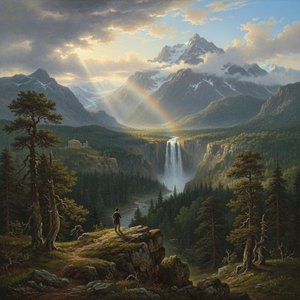
Evoking Nature's Sublime: A Comprehensive Exploration of 19th-Century Landscape Painting
Explore the captivating world of 19th-century landscape painting! Discover renowned artists like Friedrich & Monet, key movements, and find the perfect artwork to bring nature's serenity into your home. Expert insights at AllPaintingsStore.
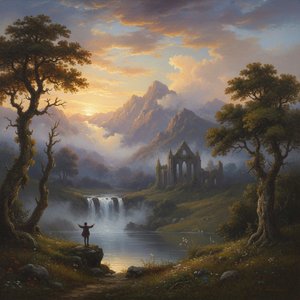
Evoking Emotion & Transcendence: Romantic Landscape Painting (18th-19th Century)
Explore the emotional depth of Romantic landscape painting (18th-19th century). Discover key artists like Friedrich & Cole, and the concepts of the sublime. Expert insights for art lovers & collectors.

Romantik Resmin Zirveleri: Evinizi Sanatla Süsleyen 10 Usta Manzara
Romantizm sanatının en etkileyici 10 başyapıtını keşfedin! Friedrich, Turner gibi ustaların büyüleyici manzaralarıyla evinizi dönüştürün. Sanat tarihi ve dekorasyon rehberi AllPaintingsStore.com'da tüm koleksiyonu inceleyin.

