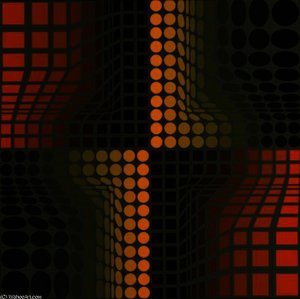
Tuval Üzerine Akrilik Boya.

§ 1Catalogue data

Bu Eser Telif Hakkı Koruması Altındadır
Bu sayfada sergilenen eser telif hakkı yasasıyla korunmaktadır; bu da yasal olarak eserin birebir kopyasını oluşturamayacağımız veya satamayacağımız anlamına gelir. Bu koruma, aşağıdakiler gibi uluslararası anlaşmalar kapsamında uygulanmaktadır: Bern Sözleşmesi ve aşağıdakiler de dahil olmak üzere ulusal yasalarca belirlenen ABD Telif Hakkı Kanunu - 17. Başlık.
Saygılı ve yasal bir alternatif olarak, orijinalinden ilham alan, kişiye özel, el boyaması sanat eserleri sunuyoruz. Deneyimli ve profesyonel sanatçılarımız, aynı duyguyu uyandıran yeni ve benzersiz bir eser yaratmak için orijinalin stilini, ruhunu ve sanatsal özünü titizlikle inceler; üstelik bu eser, kendi başına özgün bir üretim olarak kalır.
Bu yöntem, koruma altındaki sanat eserinin kopyalanmasını veya çoğaltılmasını içermediği için telif hakkı düzenlemelerine tam uyum sağlar. Bunun yerine, yaratıcı bir yeniden yorumlamadır; orijinalinden etkilenen ancak onunla aynı olmayan yeni bir tablodur.
 Devamını oku
§ 2Abstract
Koleksiyon Açıklaması
Victor Vasarely'nin Güimen tablosu Op Art akımının temel prensiplerini yansıtan geometrik bir tasarımdır. Beyaz noktalarla dolu mavi arka plana sahip bu eser, görsel yanılsama yaratır ve sanat tarihine unutulmaz bir iz bırakır.
Sanatçı Özgeçmişi
Op Sanatı'nın öncüsü Victor Vasarely (1906-1997)! Geometrik soyutlamaları, optik illüzyonları ve modern sanat & tasarım üzerindeki kalıcı etkisi keşfedin. 'Zebra', 'Suomi' seramikleri gibi eserleriyle tanınır.
§ 3Commentary
Guimen: A Symphony of Geometric Illusion
Victor Vasarely’s “Guimen” stands as an emblem of Op Art – Optical Art – a movement that fundamentally challenged our perception of reality in the mid-20th century. Created around 1963, this striking canvas embodies Vasarely's meticulous approach to visual abstraction and his unwavering belief in harnessing mathematical principles to evoke emotional responses. The artwork’s dominant hue is a serene blue, meticulously layered to create an atmosphere of calm contemplation. However, it’s the intricate pattern dominating the surface that truly captivates the eye – a mesmerizing dance of white dots arranged in a complex hexagonal grid.The Genesis of Geometric Abstraction
Vasarely's artistic journey began with a grounding in Bauhaus principles, emphasizing functional design and geometric abstraction. Influenced by artists like Piet Mondrian and Kazimir Malevich, he sought to distill visual experience into its purest form: pure geometry. This pursuit wasn’t merely stylistic; it was driven by a profound fascination with the science of perception – specifically, how our eyes interpret light and color. Vasarely meticulously documented these optical phenomena through rigorous experimentation, transforming scientific observations into artistic creations.A Technique Rooted in Precision
The execution of “Guimen” exemplifies Vasarely’s distinctive technique. He employed a process known as “pointillism,” albeit reimagined with mathematical precision. Rather than applying paint directly to the canvas, Vasarely utilized a stencil and a series of pins to create a grid pattern onto which he applied tiny dots of pigment – predominantly white – using a specialized applicator. This method ensured uniformity and consistency across the entire surface, guaranteeing that each dot contributed equally to the overall illusion of depth and movement. The result is an astonishing feat of visual engineering, demonstrating Vasarely’s mastery of color theory and his dedication to achieving maximum impact with minimal material.Symbolism Beyond Surface Appearance
While seemingly simple in its composition, “Guimen” carries significant symbolic weight. The hexagonal grid itself represents order and stability – concepts central to Vasarely's philosophical worldview. Furthermore, the white dots aren’t merely decorative elements; they actively engage our visual cortex, stimulating retinal ganglion cells and creating a sensation of shimmering movement. This illusion mimics the way we perceive distant objects, suggesting an exploration of spatial perception and challenging viewers to question their assumptions about how reality is experienced. Vasarely aimed not just to depict a visual phenomenon but to provoke contemplation on the nature of consciousness itself.A Legacy of Visual Innovation
“Guimen” solidified Victor Vasarely’s position as one of the foremost figures in Op Art and cemented his enduring influence on contemporary art and design. His pioneering work continues to inspire artists and designers today, demonstrating that beauty can be found in mathematical precision and that visual abstraction possesses the power to transcend literal representation—leaving an indelible mark on the history of modern art. Its reproduction offers a captivating glimpse into Vasarely’s groundbreaking vision and invites viewers to appreciate the transformative potential of geometric illusion.Soru ve Cevaplar
Victor Vasarely imzalı "Güimen" için hangi teknik kullanıldı?
Victor Vasarely imzalı "Güimen" eserinin tekniği Tuval Üzerine Akrilik Boya kullanılarak uygulanmıştır. Çoğaltımlar, bu tekniğin görünümünü yansıtmayı amaçlamaktadır.
"Güimen" ile benzer eserler var mı?
"Güimen" ile benzer eserler, eserin Benzerleri sayfasında listelenmektedir.
"Güimen" hangi tarza aittir?
Victor Vasarely imzalı "Güimen" adlı eserin dahil olduğu akım Optical Illusion Art akımıdır. Bu sınıflandırma, çalışmayı ilgili sanatçılar ve sanat eserleri arasında konumlandırır.


 Baskı Satışına Geç


 Herhangi bir kenarı 105 cm'den (yaklaşık 41 inç) büyük olan sanat eserleri veya reprodüksiyonlar için çerçeve, demonte edilmiş bir kit halinde gönderilecektir. Bu yöntem, güvenli teslimat sağlar ve taşıma sırasında oluşabilecek hasarları önler.