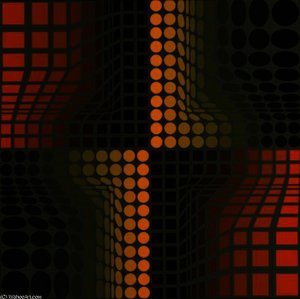
1969. Screenprint.

§ 1Catalogue data


Bu Eser Telif Hakkı Koruması Altındadır
Bu sayfada sergilenen eser telif hakkı yasasıyla korunmaktadır; bu da yasal olarak eserin birebir kopyasını oluşturamayacağımız veya satamayacağımız anlamına gelir. Bu koruma, aşağıdakiler gibi uluslararası anlaşmalar kapsamında uygulanmaktadır: Bern Sözleşmesi ve aşağıdakiler de dahil olmak üzere ulusal yasalarca belirlenen ABD Telif Hakkı Kanunu - 17. Başlık.
Saygılı ve yasal bir alternatif olarak, orijinalinden ilham alan, kişiye özel, el boyaması sanat eserleri sunuyoruz. Deneyimli ve profesyonel sanatçılarımız, aynı duyguyu uyandıran yeni ve benzersiz bir eser yaratmak için orijinalin stilini, ruhunu ve sanatsal özünü titizlikle inceler; üstelik bu eser, kendi başına özgün bir üretim olarak kalır.
Bu yöntem, koruma altındaki sanat eserinin kopyalanmasını veya çoğaltılmasını içermediği için telif hakkı düzenlemelerine tam uyum sağlar. Bunun yerine, yaratıcı bir yeniden yorumlamadır; orijinalinden etkilenen ancak onunla aynı olmayan yeni bir tablodur.
 Devamını oku
§ 2Abstract
Koleksiyon Açıklaması
Experience the vibrant optical illusions of Victor Vasarely's 1969 Op Art masterpiece, Torony-Nagy, featuring geometric towers that play with depth and color; discover this modern vision today.
Sanatçı Özgeçmişi
Op Sanatı'nın öncüsü Victor Vasarely (1906-1997)! Geometrik soyutlamaları, optik illüzyonları ve modern sanat & tasarım üzerindeki kalıcı etkisi keşfedin. 'Zebra', 'Suomi' seramikleri gibi eserleriyle tanınır.
§ 3Commentary
The Illusion of Structure: Exploring Vasarely's Geometric Vision
To stand before Victor Vasarely’s "Torony-Nagy" is not merely to observe paint on canvas; it is to engage in a sophisticated dialogue with perception itself. This vibrant 1969 composition plunges the viewer into a world governed by pure geometry, where structure becomes both subject and illusion. The piece presents four stylized tower forms arranged in a meticulously balanced square. These are not representations of buildings as we know them, but rather abstract meditations on architectural permanence and visual dynamism. Vasarely, a master cartographer of the eye, uses color and line to construct an environment that seems simultaneously solid and utterly ephemeral.
Mastery of Op Art: Technique and Visual Vibration
The defining characteristic of "Torony-Nagy" is its unwavering commitment to Op Art. This style, which flourished in the mid-20th century, challenges the viewer's assumptions about pictorial space. Vasarely achieves this breathtaking effect through rigorous geometric construction. Notice how the grid-like patterns within each tower appear to recede into an impossible depth, despite the flatness of the surface. The artist employs a bold, contrasting palette—vivid blues against sharp greens, punctuated by warm yellows and reds—all held together by crisp white lines that define every plane. This precise application of color and line creates what art historians call optical vibration; your eye is forced to work overtime, oscillating between recognizing pattern and experiencing the dizzying sense of depth.
A Dialogue with Modernity: Symbolism and Context
Created in 1969, this work sits at a fascinating intersection of post-war modernism and burgeoning technological optimism. The towers themselves can be interpreted as allegories for the skyscraper age—symbols of human ambition, industrial scale, and the relentless march of progress. However, Vasarely resists simple narrative reading. Instead, he invites contemplation on how we perceive reality itself. Are these structures real? Do they exist in physical space or only within the mechanics of our vision? This ambiguity is the core strength of the piece; it speaks to the intellectual currents of the era—the rise of abstract thought and man's increasing reliance on constructed systems.
Bringing Geometric Brilliance Home
For collectors, interior designers, or anyone seeking a focal point imbued with intellectual energy, "Torony-Nagy" offers unparalleled visual impact. Reproducing this piece allows one to incorporate high art that is both visually arresting and conceptually rich into any space. Its bold color blocking means it anchors a room without adhering to traditional decorative motifs. It demands attention while simultaneously inviting quiet study. Owning a reproduction of this work is acquiring not just decoration, but a conversation starter—a testament to the enduring power of abstract thought rendered in breathtaking, vibrant form.
Soru ve Cevaplar
"Torony-Nagy" eserinin konusu, Victor Vasarely sanatçısının alışılagelmiş temalarıyla nasıl bir ilişki içerisindedir?
Victor Vasarely'in yinelenen temaları bauhaus geometric abstraction influence, exploration of visual perception, modernist architectural representation, key op art period work içerir; "Torony-Nagy" ise op art, geometric, abstract, towers, pattern, illusion, modernism üzerine odaklanır.
Victor Vasarely imzalı "Torony-Nagy" eserinin renkleri canlı mı yoksa mat mı?
Victor Vasarely imzalı "Torony-Nagy", Balanced Soft doygunlukta kaydedilmiştir.
Victor Vasarely imzalı "Torony-Nagy" portre, manzara mı yoksa kare kompozisyon mu?
Victor Vasarely imzalı "Torony-Nagy", Square formatındadır. Bu format, kompozisyonun oranlarını tanımlar.


 Baskı Satışına Geç


 Herhangi bir kenarı 105 cm'den (yaklaşık 41 inç) büyük olan sanat eserleri veya reprodüksiyonlar için çerçeve, demonte edilmiş bir kit halinde gönderilecektir. Bu yöntem, güvenli teslimat sağlar ve taşıma sırasında oluşabilecek hasarları önler.