


 Önizle
 Gönder
 Paylaş
 Detaylar
 Rehber

 Dosyayı İndir
 Benzerleri
 X-Işını
 Slayt Gösterisi
 İstatistikler
The Bathos


 Devamını Oku
El Yapımı Yağlı Boya Reproduksiyon
Sanatçılarımız tarafından sipariş üzerine hazırlanan; istediğiniz boyut ve çerçevede, tuval üzerine el boyaması yağlı boya. ( Baskı Satışına Geç Dijital Görsel Satışına Geç)




P118B ₺10

P118H ₺10

P118W ₺10

P438Z ₺10

P508JH ₺12

P508YH ₺12

P805H ₺10

P805Z ₺10

P919BZ ₺10

P919G ₺10

P919XJ ₺10

P959ZH ₺10

P968JZ ₺12

W106C ₺8

W218G ₺10

W218JH ₺8

W218Y ₺10

W307PJ ₺10

W316G ₺10

W316PJ ₺8

W316Y ₺10

W398PJ ₺8

W4111J ₺10

W500HY ₺15

W500JH ₺15

W692G ₺12

W849H ₺8

W940BG ₺15

W953PJ ₺8




Eserin orijinal oranlarıyla uyumlu, önceden belirlenmiş boyutlarımız arasından seçim yapın.

Çerçevenize veya duvarınıza uygun olması için ihtiyacınız olan genişliği ve yüksekliği yazın. Bu eser el boyamasıdır; bu nedenle farklı bir formdaki boyutlar için sanatçı, resmin etrafına biraz daha fazla boya ekleyebilir veya biraz daha kırpabilir — seçim sizin. Boyama işlemi başlamadan önce onaylamanız için size bir dijital taslak gönderiyoruz. Bu sayfada gösterilen resim gerçek sonucu yansıtmamaktadır — gerçek sonucu yalnızca taslak göstermektedir.
Siparişten sonra, AllPaintingsStore.com ekibi talimatlar için müşteriye e-posta gönderecek ve bir taslak önizleme sunacaktır
Dünya Çapında Teslimat (); standart 5 hafta yerine 3/4 haftada. (25 Ekim). Kaliteden ödün verilmez.

Dünya Çapında Ücretsiz Ekspres Kargo

Yüksek Kaliteli Keten Tuval

Tam Nakliye Sigortası

Gümrük Vergisi İadesi Garantisi

Gerçek Renk Uyumu Garantisi

100 Günlük İade Koşulları (Sadece Üretim Hatalı Ürünler İçin)

%100 Para İade Garantisi

Toplu Alım Avantajı
 Cam seçeneği yalnızca 110 cm altındaki boyutlar için mevcuttur.

The Bathos
Baskı Tekniği
Baskı Boyutu
-


Toplam Fiyat
₺ 12619
A Descent into Chaos: Decoding William Hogarth’s *The Bathos*
William Hogarth's *The Bathos*, a powerfully unsettling engraving created towards the end of his life, is not merely an artwork; it’s a visual lament—a darkly satirical reckoning with the decline of knowledge, artistic standards, and perhaps even civilization itself. Completed in 1764, just months before his death, this densely packed composition feels less like a carefully constructed image and more like a fever dream rendered in meticulous lines. It's an apocalyptic vision born from a mind acutely aware of its own mortality and deeply critical of the world around him. The very title, “Bathos,” derived from a rhetorical term signifying a deliberate descent from the sublime to the ridiculous, signals Hogarth’s intention: to expose the absurdity lurking beneath pretensions of grandeur.
The Language of Ruin and Satire
To gaze upon *The Bathos* is to be overwhelmed. The scene unfolds with chaotic energy, a swirling vortex of fragmented objects—books scattered like fallen ideals, musical instruments silenced, tools rendered useless. Dominating this wreckage lies the skeletal figure of Death, not as an active agent of destruction but as a weary observer, slumped amidst the debris. This isn’t a triumphant depiction of the end times; it's one of exhaustion and disillusionment. Above him, an angel ascends towards a sign proclaiming “The World’s End,” yet even this celestial messenger appears burdened, almost defeated. Hogarth masterfully employs the engraving technique—the precise interplay of light and shadow created through intricate hatching and cross-hatching—to amplify the sense of claustrophobia and impending doom. The turbulent sea forming the backdrop isn't merely a setting; it’s a metaphor for the instability threatening to engulf everything. The artist doesn’t shy away from detail, each object meticulously rendered, contributing to the overall feeling of oppressive disorder.
Hogarth’s Final Statement: A Critique of Artistic and Intellectual Decay
Understanding *The Bathos* requires acknowledging Hogarth's broader artistic project. He was a pioneer in British art, forging a path independent of traditional patronage by appealing directly to the public through his narrative series—works like *A Harlot’s Progress* and *A Rake’s Progress*. These earlier works were moralizing tales told through vivid imagery, but *The Bathos* feels different. It's less about specific vices and more about a systemic failure of values. Hogarth wasn’t simply lamenting the decline of artistic taste—he was critiquing what he saw as a broader intellectual and spiritual decay. The inclusion of references to classical art, like allusions to Dürer and Poussin, suggests a disillusionment with even the most revered traditions. He seems to be arguing that even the great masters were not immune to superficiality and artistic pretense. The print’s complex symbolism—the broken instruments, the crumbling architecture, the exhausted angel—all contribute to this overarching theme of collapse.
A Legacy of Social Commentary
Though created in the 18th century, *The Bathos* resonates with a timeless relevance. Its depiction of societal breakdown and intellectual exhaustion feels eerily prescient, speaking to anxieties that continue to plague us today. Hogarth’s genius lies not only in his technical skill but also in his ability to tap into universal human fears—the fear of loss, the fear of meaninglessness, the fear of oblivion. A reproduction of *The Bathos* is more than just a decorative piece; it's a conversation starter, a visual embodiment of critical thought, and a powerful reminder of the fragility of civilization. For collectors seeking works with intellectual depth, or for interior designers aiming to create spaces that provoke contemplation, Hogarth’s final masterpiece offers a compelling and enduring statement.
Soru ve Cevaplar
William Hogarth imzalı "The Bathos" eserinin renkleri nasıl bir duygu uyandırıyor?
"The Bathos" eserinde, Neutrals renkler Melancholic bir duyguya eşlik ediyor.
William Hogarth imzalı "The Bathos" eserinin algılanan parlaklığı nedir?
Algılanan parlaklık açısından, William Hogarth imzalı "The Bathos", brilliant düzeyindedir.
Odam için "The Bathos" eserini hangi boyutta bastırmalıyım?
William Hogarth imzalı "The Bathos" için önerilen eşleşme: Living Room içerisinde Large boyutunda bir baskı.
İlgili Eserler


Sanatçı Biyografisi
William Hogarth (1697 – 1764): A London Life in Ink and Paint
William Hogarth, born into the bustling heart of 18th-century London in 1697, was more than just an artist; he was a visual historian, a keen observer of human nature, and a satirical commentator on the societal currents of his age. His life story is inextricably linked to the very fabric of England during a period of significant transformation – its burgeoning ambitions, underlying anxieties, and pervasive hypocrisies all finding potent expression in his remarkably detailed and often biting works. The son of a struggling Latin schoolmaster, Hogarth’s early experiences instilled within him both a love for learning and a sharp awareness of social inequalities, a foundation that would prove crucial to shaping his artistic vision. Initially apprenticed to an engraver, he quickly demonstrated a talent extending beyond mere technical skill; he possessed an innate ability to observe the nuances of human behavior and translate them into compelling visual narratives. However, he chafed against the constraints of traditional engraving, seeking a more expressive outlet for his burgeoning creativity. This led him to studies at both St Martin’s Lane Academy and under Sir James Thornhill, where he honed his skills in painting and composition, absorbing influences that would later inform his unique style.- Early Life and Influences: Hogarth's father, a teacher, faced considerable hardship during his childhood, including imprisonment for debt – an experience that profoundly shaped his worldview and fueled his fascination with the darker side of human existence. He developed a passion for sketching people he encountered on the streets, drawing inspiration from classic painters such as Albrecht Dürer, Pieter Bruegel the Elder, Leonardo Da Vinci, Raphael, Michelangelo, Nicolas Poussin, Jacques Callot, Peter Paul Rubens and his idol, James Thornhill.
- The Engraving Trade: Hogarth began his artistic career as an engraver’s apprentice, mastering the craft of producing prints from drawings with meticulous precision. His early engravings showcased a remarkable talent for capturing detail and conveying emotion, establishing him as a skilled craftsman and demonstrating his versatility beyond purely decorative pursuits.
- Painting and Composition: Hogarth's artistic vision extended far beyond engraving; he excelled in painting, developing a distinctive style characterized by realism and narrative complexity. He studied under Sir James Thornhill at St Martin’s Lane Academy, absorbing influences that would contribute to his groundbreaking approach to visual storytelling.
- “Modern Moral Subjects”: Hogarth revolutionized artistic practice by pioneering what he termed “modern moral subjects”—series of paintings designed to tell a story and deliver a pointed critique of contemporary society. These weren't isolated portraits or landscapes; they were visual novels unfolding before the viewer’s eyes, offering unflinching commentary on social issues and challenging conventional notions of beauty and virtue.
A Harlot’s Progress: A Pioneering Narrative Sequence
Perhaps Hogarth's most celebrated achievement was *A Harlot’s Progress*, a six-part series of paintings that meticulously chronicles the tragic downfall of Mary, a young woman arriving in London full of hope but swiftly succumbing to the temptations and dangers of city life. Each scene is rendered with painstaking detail, filled with symbolic elements that reveal the moral decay surrounding her. The series exemplifies Hogarth’s innovative technique—combining realistic depiction with narrative storytelling—marking him as a forerunner of comic strip-like visual narratives. He skillfully employed cross-hatching to create depth and texture, bringing his scenes to life with remarkable clarity and capturing the psychological complexities of his subjects.Technique and Style: Mastering Line and Shade
Hogarth’s artistic style was distinguished by a masterful command of line and shade—a hallmark of his engravings and paintings alike. He achieved unparalleled realism through meticulous observation and skillful rendering, capturing the subtleties of human expression with remarkable accuracy. His distinctive cross-hatching technique created depth and texture, transforming flat surfaces into immersive visual experiences. Furthermore, Hogarth’s compositional choices were equally innovative, arranging figures and objects within the frame to generate dynamic narratives that engaged viewers emotionally and intellectually.Legacy and Influence: Shaping British Art History
William Hogarth's influence on British art history is undeniable. He established a distinctly British artistic identity, rejecting continental Mannerism in favor of realism and moral seriousness. His work profoundly impacted subsequent generations of artists—including James Gillray and George Cruikshank—who embraced his satirical tradition and continued to explore social issues with unflinching honesty. Moreover, Hogarth’s pioneering approach to visual storytelling paved the way for the development of political cartoons and comic strips, securing his place as a pivotal figure in popular culture. He remains revered as one of the “Big Three” of 18th-century cartooning, recognized for his originality, his social critique, and his enduring ability to capture the complexities of human life—a legacy that continues to inspire artists and scholars today.Concluding Remarks
Ultimately, William Hogarth stands as a testament to the transformative power of observation and artistic innovation. He demonstrated that art could be both entertaining and enlightening, challenging viewers to confront uncomfortable truths about themselves and their society—a conviction that underpinned his entire creative endeavor. His paintings and engravings endure not merely as historical artifacts but as vibrant windows into a bygone era, offering timeless insights into the follies and foibles of humanity.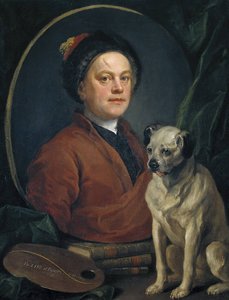
William Hogarth
1697 - 1764 , Birleşik Krallık
Kısa Bilgiler
- Artistic Movement Or Style: Satirizm ve gerçekçilik
- Artists Who Influenced This Artist:
- Pieter de Hooch
- Jonathan Swift
- Date Of Birth: 1697
- Full Name: William Hogarth
- Nationality: İngiliz
- Notable Artworks:
- A Harlot's Progress
- A Rake's Progress
- Marriage A-la-Mode
- Place Of Birth: Londra
İlgili Yazılar

Mastering the Line: A Professional Guide to the Precision and Legacy of Engraving for Interior Designers
Explore the technical precision of engraving and intaglio printmaking. A professional guide for hotel designers on integrating historical line work and museum-quality art reproductions into large-scale hospitality projects with ease and authority.


