

Zamanda Bir Hac Yolculuğu: Vatikan Müzeleri'nin Hazinelerini Gün Yüzüne Çıkarmak
Vatikan Müzeleri'nin görkemli bronz kapılarından içeri adım atmak, binlerce yıla yayılan bir hac yolculuğuna çıkmak gibidir; insan yaratıcılığının ve ruhsal arayışın kalbine yapılan derin bir dalıştır. Bu uçsuz bucak olmayan galeriler, sadece bir sanat koleksiyonundan çok daha fazlasıdır; Batı medeniyetini şekillendiren güzellik, güç ve anlayış arayışının kesintisiz bir anlatısını, sarsılmaz bir tanıklığını temsil eder. Antik Yunan ve Roma'nın yankılarından Rönesans'ın nefes kesici yeniliklerine kadar her oda; imparatorların, papaların, sanatçıların ve hamilerin hikayelerini fısıldar ve hayranlık uyandırmaya devam eden bir mirasa dönüşür. Bu sanatsal hazinenin ölçeği büyüleyicidir; duvarları arasında yüzyıllardır zihinleri ve kalpleri esir almış şaheserler barındırarak, bu eserleri yaratanların inançlarına, hırslarına ve olağanüstü vizyonlarına ışık tutar.
Hikaye, görkemli bir ihtişam arzusuyla hareket eden Papa II. Julius ile başlar. 1506 yılında, Apostolik Saray'ın halka açık bir müzeye dönüştürülme sürecini başlatmış, papalığın sarayını anında büyüleyen dramatik Laocoön ve Oğulları heykelini bünyesine katmış ve müzelerin karakterini belirleyecek olan hazine toplama sürecini harekete geçirmiştir. Bu ilk edinim, Vatikan'ın prestijini yükseltmeyi ve onu bir bilim ve kültür merkezi olarak sağlamlaştırmayı amaçlayan ardışık papalar tarafından beslenen amansız bir sanatsal mükemmellik arayışını tetiklemiştir. Sonuç; sadece resim ve heykel şaheserlerini değil, aynı zamanda çok çeşitli antik eserleri, dini objeleri ve dekoratif sanatları kapsayan eşsiz bir koleksiyon, insan başarısının gerçek bir ansiklopedisidir. Müzenin evrimi, her bir papalık döneminin değişen zevklerini ve önceliklerini yansıtarak, her ziyaretçi için son derece çeşitli ve katmanlı bir deneyim sunar.
Vatikan Müzeleri'nin cazibesinin merkezinde mimari ihtişam yatar. Antik heykeller ve çeşmelerle süslenmiş geniş bir açık avlu olan Cortile del Belvedere, tüm müze kompleksini tanımlayan mimari ilerleme duygusunu anında hissettirir. Roma imparatorluk tasarımının hırsını yansıtan bu geniş alan, içerideki sanatsal mucizelere bir giriş niteliğindedini taşır. Bu etkileyici alanın ötesinde, müzelerin kendisi yüzyıllar süren inşa ve restorasyonların bir kanıtıdır; klasik etkileri Rönesans zarafetiyle harmanlar. Son on yıllarda yürütülen titiz restorasyon çalışmaları, bu tarihi mekanların orijinal ihtişamını korumasını sağlarken, barındırdıkları sanat eserlerini sergilemek için en ideal ortamı sunmaktadır. Işık ve mekanın özenli entegrasyonu, ziyaretçi deneyimini daha da zenginleştirerek sanatın gerçekten parlamasına olanak tanır.
Ancak, Vatikan Müzeleri'ni keşfetmek, Sistine Şapeli'ne yeterli zaman ayırmadan asla tamamlanmış sayılmaz. Burası sadece bir oda değil; ziyaretçileri nefessiz bırakan sanatsطsel deha ile yüzleşilen sürükleyici bir deneyimdir. Papa II. Julius tarafından sipariş edilen ve 1508 ile 1512 yılları arasında Michelangelo tarafından icra edilen tavan freskleri, bu duvarlar arasındaki belki de en ünlü başarıyı temsil eder. Projenin devasa ölçeği şaşırtıcıdır; canlı renklerle işlenmiş 300'den fazla figür bulunur, ancak asıl büyüleyici olan figürlerin duygusal derinliği ve dramatik gücüdür. Nefes kesici bir mahremiyetle yakalanmış ilahi bir başlangıç anı olan ikonik Adem'in Yaratılışı 'ndan, tonozlu yüzey boyunca uzanan karmaşık anlatılara kadar tavanın her santimi anlam ve sanatla yoğrulmuştur. Michelangelo'nun anatomi, perspektif ve hikaye anlatımındaki ustalığı burada tam bir sergi halindedir; yüzyıllar sonra bile hayranlık uyandırmaya devam eden görsel bir şölen yaratır. On yıllar sonra sunak duvarına boyanan Son Yargı ise, insanlığın nihai yargısını dramatik bir yoğunluk ve anatomik hassasiyetle tasvir ederek Michelangelo'nun eşsiz yeteneğini ve hırsını bir kez daha kanıtlar.
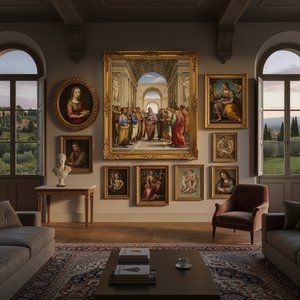
Sistine Şapeli'nin hemen yanında, Papa II. Julius dönemindeki papalığın himayesi dünyasına bir pencere açan Raphael Odaları bulunur. Bu odalar sadece dekoratif alanlar değildir; güç, bilgi ve kültürel inceliğin beyanıdır—papalığın canlı bir sanatsal ortam oluşturma arzusunun bir kanıtıdır. Her oda, papanın hırslarını ve Raphael'in sanatsطsel dehasını yansıtan bir hikaye anlatır; hem sanatçının becerisini hem de papalığın gelişen bir kültürel manzarayı destekleme kararlılığını sergilemek için titizlikle düzenlenmiştir. Koleksiyonun belki de en ünlü freski olan Atina Okulu , görkemli bir mimari ortam içinde Platon ve Aristoteles'i hararetli bir tartışma içinde tasvir ederek Rönesans'ın felsefe ve öğrenme ideallerini somutlaştırır. Ignazio Danti tarafından boyanan İtalya'nın nefes kesici bir panoraması olan Harita Galerisi, yarımadanın ayrıntılı bir topografik kaydını sunarak bu sürükleyici deneyime yeni bir boyut katar ve papalığın bilimsel araştırmalara ve keşiflere olan ilgisini gözler önüne serer. Vatikan Müzeleri, sanatın ilham verme, meydan okuma ve hepimizi birbirimize bağlama konusundaki kalıcı gücünün güçlü bir hatırlatıcısı olmaya devam etmektedir—insan yaratıcılığının ve inanç ile kültürün mirasının bir kanıtıdır.
Zamanın Dokusu: Koleksiyonun Öne Çıkanlarını Keşfetmek
Vatikan Müzeleri, binlerce yıla yayılan şaşırtıcı bir sanatsal başarı genişliğine sahiptir. Sistine Şapeli'nin ikonik fresklerinin ötesinde, ziyaretçiler büyüleyici bir hazine dizisi keşfedecekler. Pio-Clementine Müzesi'nde bulunan Mısır koleksiyonu; anıtsal heykeller, karmaşık lahitler ve zengin cenaze eşyalarıyla antik Mısır'a olağanüstü bir pencere açar. Klasik Antikite bölümü, bu medeniyetlerin sanatsal yeteneklerinin kanıtı olan etkileyici Yunan ve Roma heykelleri, mozaikleri ve fresklerinden oluşan muazzam bir seçki sunar. Raphael Odaları'nın kendisi de Rönesans tasarımının bir şaheseridir; her oda klasik mitolojiden ve İncil anlatılarından sahneler içeren fresklerle süslenmiştir. Benvenuto Cellini ve diğer ünlü sanatçıların şaheserlerine ev sahipliği yapan Borgia Dairesi'ni de kaçırmayın; burası papalığın saray yaşamındaki ihtişama bir bakış sunar.
Mimari Harikalar: Mekan İçinde Bir Yolculuk
Vatikan Müzeleri sadece sanat depoları değildir; kendi başlarına birer mimari mucizedirler. Kompleksin devasa ölçeği, yaratıcılarının hırsını ve yüzyıllar boyunca papalığın biriktirdiği muazzam zenginliği yansıtarak nefes kesicidir. Yükselen sütunları ve karmaşık heykelleriyle Cortile del Belvedere, içerideki sanatsal hazineler için sahneyi hazırlar. Bizzat Raphael tarafından tasarlanan Raphael Odaları, klasik unsurları yenilikçi tasarım çözümleriyle harmanlayan Rönesans mimari ilkelerinin bir kanıtıdır. Batı duvarı boyunca yaklaşık 120 metre uzanan Harita Galerisi, mühendislik ve sanatın olağanüstü bir başarısıdır—canlı fresklerle işlenmiş panoramik bir İtalya manzarasıdır.
Bir Himaye Mirası: Sanat Akımlarını Şekillendirmek
Vatikan Müzeleri'nin koleksiyonu, yüzyıllar süren papalığın sanata olan desteğini yansıtarak sanat akımlarını şekillendirmiş ve nesiller boyu sanatçıları etkilemiştir. Papa II. Julius'un Laocoön ve Oğulları heykelini edinmesi, dünyanın en büyük sanat koleksiyonlarından birini biriktirmeye yönelik sistematik bir çabanın başlangıcı olmuştur. Sonraki papalar bu geleneği sürdürerek; Michelangelo, Raphael, Leonardo da Vinci ve Titian gibi tarihin en ünlü ustalarına eserler sipariş etmişlerdir. Müzeler, papalığın sanatsal yeniliğe öncülük etme ve kültürel mirası koruma rolünün somut bir hatırlatıcısı olarak hizmet eder.
Çağdaş Bağlantılar: Sanal Turlar ve Geleceğin Sergileri
Erişilebilirliğin önemini kavrayan Vatikan Müzeleri, dünya çapındaki sanatseverlerin hazineleri uzaktan deneyimlemelerine olan olanak tanıyan sanal turlar ve dijital koleksiyonlar sunmaktadır. Devam eden sergiler, antik Mısır eserlerinden çağdaş dini sanata kadar çeşitli temaları keşfederek müzenin geniş envanterine taze perspektifler kazandırmaktadır. Bu tarihi duvarlar arasında yeni hikayeleri canlandıran özel etkinlikleri ve geçici sergileri takipte kalın. Müze, zengin sanatsal mirasını korurken teknolojiyi de kucaklayarak gelişmeye devam etmektedir.