

1919. Oil On Canvas. Муніципальний музей мистецтва Кітакюсю.

§ 1Дані каталогу


§ 2Абстракція
Опис експоната
Experience Claude Monet's 'Nymphe,' a serene watercolor capturing lily pads and reflections in a tranquil pond. A timeless Impressionist masterpiece of light, color, and nature’s beauty.
 Розгорнути текст
Біографія митця
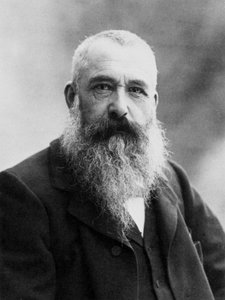
Відкрийте світ Клода Моне, майстра імпресіонізму, відомого здатністю вловити миттєве світло та колір у таких знакових пейзажах, як «Водяні лілії» та «Стіжки».
§ 3Коментар
Nymphe by Claude Monet: A Symphony of Light and Reflection
Claude Monet’s “Nymphe” (1919) isn't merely a depiction of a pond; it’s an immersion into the very heart of Impressionism – a testament to Monet’s relentless pursuit of capturing fleeting moments of light and color. This painting, likely conceived during his mature period, offers a serene glimpse into Giverny’s famed water lily garden, yet transcends a simple landscape view. It's a meditation on reflection, tranquility, and the transformative power of nature as experienced through the artist’s uniquely sensitive eye.
The scene unfolds with an almost dreamlike quality. The dominant blues and greens of the water are punctuated by vibrant splashes of red – perhaps from the reflections of nearby foliage or the subtle hues of a distant bloom – creating a dynamic interplay that is characteristic of Monet's approach. Lily pads, rendered with loose, broken brushstrokes, float upon the surface, their textures suggesting movement and light shimmering across their edges. The careful placement of the bird in the upper right corner adds an element of life and observation, subtly drawing the viewer into the scene.
Monet’s Impressionistic Technique
Monet's mastery lies not just in his subject matter but in his technique. “Nymphe” exemplifies his signature *plein air* method – painting directly from nature, capturing the immediate impression of light and atmosphere rather than striving for photographic realism. Notice the short, choppy brushstrokes that define the water’s surface; they aren't blended to create a smooth illusion, but instead, deliberately retain their individual marks, conveying the shimmering effect of sunlight on water. This technique creates an almost vibrating sense of movement and luminosity, inviting the viewer to participate in Monet’s sensory experience.
The color palette is equally crucial. Monet wasn't interested in mixing colors on his palette to achieve a specific hue; instead, he layered pure pigments directly onto the canvas, allowing the eye to blend them optically. This creates a vibrant, luminous effect that is far more captivating than traditional, blended colors could ever be. The subtle gradations of tone and color contribute significantly to the painting’s overall atmosphere of peace and serenity.
Historical Context & Symbolism
Created in 1919, “Nymphe” reflects a pivotal moment in Monet's career. By this time, he had become one of the most celebrated figures of the Impressionist movement, having spent decades refining his approach to capturing light and color. The painting’s subject – the water lily garden at Giverny – was central to his artistic life, providing endless inspiration and a space for experimentation. The water lilies themselves have long been associated with purity, rebirth, and spiritual reflection, themes frequently explored in Impressionist art.
Interestingly, as highlighted by research from The Metropolitan Museum of Art, Monet’s decision to create this series was driven partly by commercial considerations – he sought to capitalize on the growing popularity of his water lily paintings. However, the passion evident in his description reveals a deeper commitment to capturing the beauty and essence of nature, a dedication that cemented his legacy as one of art history's most influential figures.
A Timeless Masterpiece for Your Space
AllPaintingsStore’s hand-painted reproductions of “Nymphe” offer an unparalleled opportunity to bring this iconic Impressionist masterpiece into your home or office. Each reproduction is created by skilled artisans, meticulously replicating Monet's technique and color palette with the highest level of detail and fidelity. Whether you are a seasoned art collector or simply seeking to add a touch of timeless beauty to your surroundings, “Nymphe” promises to be a captivating focal point – a constant reminder of the power and wonder of nature’s light.
Питання та відповіді
Де я можу знайти статистику про «Nymphe» роботи Клод Моне?
Сторінка Статистика переглядів для роботи «Nymphe» роботи Клод Моне містить статистику публічних переглядів: кількість щомісячних відвідувань цього твору, порівняння з найбільш популярними роботами митця та географію відвідувачів.
Які права на відтворення твору "Nymphe" у Муніципальний музей мистецтва Кітакюсю?
Статус авторського права на «Nymphe» роботи Клод Моне є чітким: цей твір перебуває у є суспільним надбанням — термін дії авторського права закінчився. Його перебування в Муніципальний музей мистецтва Кітакюсю не змінює цього статусу.
Як «Nymphe» роботи Клод Моне пов’язує Impressionism з батьківщиною митця?
«Nymphe» пов’язує мистецтво Impressionism із Франція через місце народження його творця.


 Перейти до друку


 Для творів мистецтва або репродукцій, розмір яких перевищує 105 см (приблизно 41 дюйм) з будь-якого боку, рама доставляється у вигляді розібраного комплекту. Такий метод гарантує безпечну доставку та запобігає пошкодженням під час транспортування.


