1903. Oil On Canvas.

§ 1Catalogue data


§ 2Abstract
Опис експоната
Experience the ethereal beauty of Claude Monet's 1903 Impressionist masterpiece Waterloo Bridge where shimmering light dances across the Thames at dusk, inviting you to bring this serene moment into your own collection.
 Розгорнути текст
Біографія митця
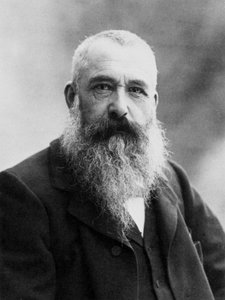
Відкрийте світ Клода Моне, майстра імпресіонізму, відомого здатністю вловити миттєве світло та колір у таких знакових пейзажах, як «Водяні лілії» та «Стіжки».
§ 3Commentary
A Symphony of Light and Reflection: Exploring Monet’s Waterloo Bridge
Claude Monet's "Waterloo Bridge," painted in 1903, isn’t merely a depiction of London’s iconic bridge; it’s an embodiment of Impressionism’s core philosophy – capturing the ephemeral beauty of a single moment in time. Created during Monet’s prolific period exploring the Seine River and its environs, this canvas exemplifies his unwavering dedication to portraying light as it dances across surfaces, transforming landscapes into shimmering visions. The photograph captures the serene stillness of the river at dusk, highlighting the subtle interplay between color and atmosphere that defines Monet's artistic vision.- Subject Matter: The painting focuses on Waterloo Bridge itself—a prominent structure spanning the Thames River—but its significance extends beyond architectural representation. Monet deliberately chose this location to observe how light changes throughout the day, specifically during twilight hours when the sky casts a lavender hue onto the water’s surface.
- Style: Undoubtedly Impressionistic, “Waterloo Bridge” adheres to Monet's signature style characterized by loose brushstrokes and vibrant color palettes. Rather than striving for photographic accuracy, Monet prioritized conveying feeling—the sensation of being present in that particular place at that specific time.
Technique: Embracing Plein Air Painting
Monet’s revolutionary approach to painting – *plein air*, or “open air”—was instrumental in shaping Impressionism. He would spend countless hours outdoors, meticulously mixing pigments directly onto the canvas while observing the shifting qualities of light and color. This technique is vividly evident in "Waterloo Bridge," where Monet utilizes broken brushstrokes—small, separate strokes of paint applied side by side—to build up layers of color that mimic the way sunlight scatters through the air. The resulting texture contributes to the painting’s overall impressionistic effect, inviting viewers to experience the scene as Monet himself did.- Color Palette: Monet's masterful use of color is central to conveying the emotional impact of “Waterloo Bridge.” Dominant shades of violet and indigo dominate the sky, reflecting off the water’s surface and creating a sense of melancholy beauty. Accents of pale yellow and orange appear in the distant buildings, providing warmth against the coolness of the twilight.
- Brushwork: Monet's characteristic brushstrokes are visible throughout the painting—short, choppy strokes that blend seamlessly together to create an illusion of movement and luminosity. These marks aren’t meant to define precise contours but rather to capture the fleeting effects of light and atmosphere.
Historical Context: Impressionism's Pursuit of Truth
“Waterloo Bridge” emerged during a period of significant artistic innovation—the height of Impressionism. Artists like Monet, Pierre-Auguste Renoir, and Camille Pissarro rejected the academic conventions of their time, rejecting detailed realism in favor of subjective perception. They sought to depict not what they *saw*, but how they *felt*. This painting reflects the broader movement’s fascination with capturing transient moments—the beauty of everyday life as experienced by ordinary people.- Symbolism: While seemingly simple in its composition, “Waterloo Bridge” carries subtle symbolic resonance. The bridge itself represents connection and transition—a passage between day and night, between past and present. Its stillness underscores the contemplative mood of the scene, inviting viewers to contemplate the beauty of solitude and reflection.
Emotional Impact: Capturing Twilight’s Enchantment
Ultimately, Monet's "Waterloo Bridge" succeeds in conveying a profound emotional experience. The painting evokes a feeling of quiet contemplation—a sense of being enveloped by the serene beauty of twilight. It captures the melancholic charm of dusk—the fading light casting long shadows across the river and imbuing the scene with an aura of mystery and nostalgia. This reproduction allows viewers to immerse themselves in Monet’s vision, experiencing firsthand the transformative power of Impressionistic art.Питання та відповіді
Яким видом твору є «Waterloo Bridge»?
«Waterloo Bridge» роботи Клод Моне класифікується як WallArt. Ця категорія визначає вид художнього твору, яким є оригінал.
Де я можу завантажити «Waterloo Bridge» роботи Клод Моне?
Цифрову копію роботи «Waterloo Bridge» роботи Клод Моне можна завантажити на сторінці Завантажити цифрове зображення, обравши варіант завантаження цифрового зображення високої роздільної здатності.
Яке місце посідає «Waterloo Bridge» у творчому шляху Клод Моне?
«Waterloo Bridge» належить до Mature Impressionism Клод Моне.
 Перейти до друку


 Для творів мистецтва або репродукцій, розмір яких перевищує 105 см (приблизно 41 дюйм) з будь-якого боку, рама доставляється у вигляді розібраного комплекту. Такий метод гарантує безпечну доставку та запобігає пошкодженням під час транспортування.