


 Переглянути в інтер'єрі
 Надіслати як листівку
 Поділитися
 Детальніше

 Завантажити
 Схожі експонати
 Рентгенівське дослідження
 Слайд-шоу
Polizei
 Contemporary Realism
 60.0 x 50.0 cm
 Читати далі
Гікле / Художній принт
Музейна якість друку جيкле або на полотні з оперативним виготовленням та різноманітними варіантами фінішної обробки. ( Замовити репродукцію ручної роботи Купити цифрове зображення)




































Обирайте з наших стандартних розмірів, що відповідають оригінальним пропорціям твору мистецтва.

Ви можете вказати власні розміри, щоб репродукція ідеально підійшла до конкретної рами або інтер'єру. Якщо обраний вами розмір не відповідає пропорціям оригіналу, ми або обріжемо полотно, або розширимо зображення за допомогою дзеркального відображення чи суцільної заливки країв. Перед початком виробництва вам буде надіслано цифровий макет для затвердження.
Будь ласка, зверніть увагу, що попередній перегляд на екрані не відображає фактичне обрізання або розширення. Тільки макет точно покаже фінальну композицію.
Хоча можливість замовлення індивідуальних розмірів доступна, ми рекомендуємо обирати формат із попередньо визначеного списку, щоб зберегти оригінальні пропорції.
Доставка по всьому світу () за 2 тижні замість стандартних 4/5 тижнів. (18 Серпень)

Безкоштовна експрес-доставка по всьому світу

Високоякісне лляне полотно

Повне страхове покриття доставки

Гарантія відшкодування митних зборів

Гарантія точного відтворення кольорів

Політика повернення протягом 60 днів (лише у разі виявлення дефектів)

Гарантія повернення 100% коштів

Пропозиція на оптові замовлення
 Скляний варіант доступний лише для розмірів до 110 см

Polizei
Гікле / Художній принт
Розмір репродукції
-


Підсумкова вартість
$ 64
Схожі твори мистецтва


Біографія митця
Eberhard Havekost: The Echoes of Richter and the Pursuit of Photographic Truth
Eberhard Havekost (1967 – 5 July 2019) was a German painter whose distinctive approach to artmaking—characterized by meticulous photographic manipulation and an unwavering commitment to exploring the complexities of visual perception—established him as one of the most significant voices in contemporary European painting. Born in Dresden, he inherited a sculptural lineage from his father, shaping his artistic sensibility early on with an understanding of form and materiality. This formative influence extended beyond sculpture; his mother’s profession as a taxidermist instilled within him a fascination for capturing detail and preserving appearances—a preoccupation that would become central to his artistic practice.- Early Life & Education: Havekost's formal education began at the Hochschule für Bildende Künste Dresden, where he honed his skills under Professor Ralf Kerbach, absorbing the principles of Richterian Photorealism and developing a foundational understanding of how photographic images could serve as catalysts for artistic exploration.
- The Influence of Gerhard Richter: Havekost’s work is undeniably indebted to Richter's groundbreaking method of layering photographs with subtle distortions and blurring—a technique that seeks to transcend mere representation, inviting viewers to contemplate the inherent ambiguity of visual experience. This stylistic choice reflects a broader philosophical concern with questioning the reliability of perception and acknowledging the impossibility of capturing reality in its entirety.
- Methodology: Havekost’s artistic process involved selecting images from diverse sources—television broadcasts, magazines, and his own photographs—and transforming them into canvases through painstaking digital manipulation. He didn't aim for literal replication but rather sought to distill the essence of these visual stimuli, extracting their underlying tensions and contradictions.
Key Themes & Artistic Series
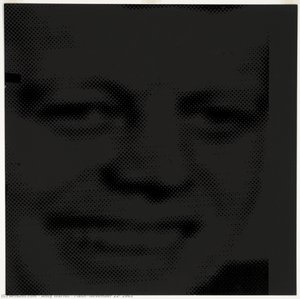
Havekost’s oeuvre is marked by recurring motifs that grapple with profound questions about identity, memory, and the role of art in confronting societal anxieties. His series *Polizei* (Police), for instance, presented a portrait rendered in muted yellows and beige—a deceptively simple image that concealed layers of symbolic meaning related to surveillance and control. The artist deliberately blurred edges and softened contours, mirroring the way in which visual perception obscures underlying realities. Similarly, his exploration of architectural interiors—particularly *Benutzeroberfläche 7* (Interface 7)—revealed a fascination with spaces devoid of human presence, prompting contemplation on themes of abandonment and obsolescence.- Photography as Starting Point: Havekost consistently utilized photographic images as the genesis for his paintings, recognizing their capacity to provoke reflection on how we perceive and interpret the world around us.
- Repetition & Serial Change: Recurring motifs—such as landscapes and architectural spaces—were often revisited in multiple iterations, demonstrating Havekost’s belief that visual effects could evolve over time and prompting viewers to consider the significance of repetition.
Critical Reception & Legacy
David Pagel of *The Los Angeles Times* lauded Havekost's work as “a promising painter so deeply indebted to Richter’s version of abbreviated Photorealism that it appears he has not yet come into his own,” praising the artist’s ability to generate tension between photographic immediacy and formal abstraction. Roberta Smith, writing for *The New York Times*, noted that Havekost’s paintings possessed “the blunt dispatch and immediacy of Mr. Havekost's surfaces, while suitably laconic, run counter to the randomness and remove of the images,” highlighting the artist’s distinctive stylistic vision.Notable Collections & Exhibitions
Havekost’s artwork is held in prestigious institutions worldwide, including the Museum of Modern Art (MoMA), Denver Art Museum, Marx Collection, Rubell Family Collection, Frieder Burda Collection and Tate Collection. His exhibitions have garnered critical acclaim and cemented his position as a pivotal figure in contemporary art history.Concluding Remarks
Eberhard Havekost’s artistic legacy resides not merely in the visual impact of his paintings but also in his unwavering commitment to interrogating the fundamental assumptions underlying photographic representation—a pursuit that continues to resonate with artists and critics alike. His exploration of themes like censorship, memory, and perception serves as a testament to the enduring power of art to provoke dialogue and challenge conventional understandings of reality.
eberhard havekost
1967 - 2019
Короткі факти
- Artistic Movement Or Style: Photorealism Richter
- Artists Or Movements Influenced By This Artist: ['Contemporary Painting']
- Artists Who Influenced This Artist: ['Gerhard Richter']
- Date Of Death: 5 July 2019
- Full Name: Eberhard Havekost
- Nationality: German
- Notable Artworks:
- Retina
- Polizei
- Place Of Birth: Dresden, Germany
Пов'язані статті
Топ-10 шедеврів живопису в домінуючих відтінках хромової жовтизни | AllPaintingsStore.com
Відкрийте для себе 10 найвідоміших картин, де домінує хромова жовтизна! Ван Гог, Моне та інші майстри. Історія мистецтва, техніки живопису та ідеї декору від AllPaintingsStore.com. Дослідіть колекцію онлайн!

Топ-10 шедеврів живопису в відтінках жовтої охри: історія та натхнення для вашого дому
Відкрийте для себе 10 шедеврів живопису, де жовта охра – головний герой! Історія Ван Гога, Моне та інших геніїв. Натхнення для вашого дому від AllPaintingsStore.com. Репродукції картин преміум-класу онлайн.

10 шедеврів німецького експресіонізму, що змінили мистецтво | AllPaintingsStore
Пориньте у світ німецького експресіонізму! 10 шедеврів від Кандинського, Кірхнера та інших – історія творчості, емоцій та кольорів. Купуйте репродукції картин на AllPaintingsStore.com та створіть неповторний інтер'єр.

The Golden Hue: Exploring Symbolism & Emotion in Yellow Art
Explore the rich symbolism & emotional power of yellow in art history! From Van Gogh to Kandinsky, discover how artists used this vibrant hue. Expert analysis & high-quality reproductions at AllPaintingsStore.

Anton von Werner: Imperial Painter, Historical Witness & Shifting German Identity
Explore the life & work of Anton von Werner, Imperial Germany's leading painter. Discover his dramatic depictions of war, unification, and court life – a fascinating insight into 19th-century German history & art.



