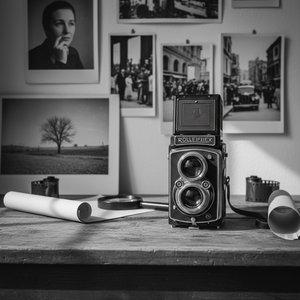
1922. Giclée Print, 20.0 x 24.0 cm.

§ 1Дані каталогу

- 20.0 x 24.0 cm


Цей твір захищено авторським правом
Мистецький твір, представлений на цій сторінці, захищений законом про авторське право, що унеможливлює легальне створення або продаж його ідентичної репродукції. Цей захист забезпечується відповідно до міжнародних угод, таких як Бернська конвенція та національним законодавством, зокрема положеннями, що викладені в Законодавство США про авторське право — Розділ 17. Всі права захищені. Будь-яке використання без дозволу заборонено.
Як шанобливу та законну альтернативу, ми пропонуємо унікальні картини ручної роботи, створені натхненням від оригіналу. Наші досвідчені професійні художники ретельно вивчають стиль, настрій та художню сутність оригіналу, щоб створити новий, неповторний твір, який викликає ті ж почуття, — залишаючись при цьому самобутнім творінням.
Цей метод повністю відповідає нормам авторського права, оскільки він не передбачає копіювання чи дублювання захищеного твору мистецтва. Натомість це творче переосмислення — створення нового малюнка під впливом оригіналу, який не є його точним відтворенням.
 Читати далі
§ 2Абстракція
Опис експоната
Edward Hopper’s ‘East Side Interior’ (1922) captures a poignant moment of solitude with its stark black and white drawing of a woman gazing out a window, embodying the artist's signature style and mood. Discover this evocative piece and bring home a timeless classic.
Біографія митця
Едвард Хоппер – геній американського реалізму, що вловив самотність та міську атмосферу світлом і тінями. Відкрийте для себе його культові картини, наприклад, «Нічні яструби»!
§ 3Коментар
A Study in Quietude: Edward Hopper's "East Side Interior"
Edward Hopper’s “East Side Interior,” rendered in 1922, is more than just a depiction of a room; it’s a distilled essence of American loneliness and the poignant beauty found within moments of solitary contemplation. This meticulously crafted black and white drawing captures a scene brimming with understated drama – a woman seated by a window, lost in observation, surrounded by the quiet formality of an upper-class dining space. The image immediately evokes a sense of detachment, a feeling that is central to Hopper’s enduring appeal and a hallmark of American art during the early 20th century.
- Subject Matter: The scene centers on a woman, positioned as the focal point, gazing out through a window. Her posture suggests introspection, inviting the viewer to share in her silent observation.
- Composition: Hopper masterfully employs geometric forms – the rectangular window, the table, the chairs – creating a sense of order and restraint that subtly amplifies the feeling of isolation. The placement of the other figures adds to this dynamic, hinting at unspoken interactions or missed connections.
Technique and Style: Hopper’s Realist Vision
Hopper's technique in “East Side Interior” is characterized by a precise realism, honed through his training under William Merritt Chase. The drawing showcases a remarkable attention to detail – the texture of the fabric on the chairs, the sheen of the vase, the subtle variations in light and shadow. This meticulous approach isn’t merely about accurate representation; it's about capturing the *essence* of the scene, imbuing it with a palpable sense of atmosphere. Hopper’s style aligns perfectly with the broader Realist movement, but he elevates it through his ability to convey complex emotional states within seemingly simple compositions.
The use of black and white further intensifies the drawing's impact, stripping away any distractions and focusing attention on form, light, and shadow. This monochrome palette contributes significantly to the artwork’s melancholic mood, a signature element of Hopper’s oeuvre.
Historical Context and Symbolism
"East Side Interior" was created during a period of significant social and cultural change in America – the rise of industrialization, urbanization, and increasing mobility. Hopper's work reflects this shift by portraying individuals grappling with feelings of alienation and displacement within modern urban environments. The dining room itself can be interpreted as a symbol of domesticity and tradition, yet the woman’s solitary presence suggests a disconnect from these values. The clock, a recurring motif in Hopper’s art, adds another layer of symbolism – a reminder of the relentless passage of time and the inevitability of mortality.
- The Window: Represents a portal to an external world, yet the woman remains confined within the room, highlighting themes of isolation and longing.
- The Dining Table: Symbolizes social interaction and hospitality, but its emptiness underscores the absence of connection.
Emotional Impact and Artistic Legacy
“East Side Interior” resonates with viewers precisely because it taps into universal human emotions – loneliness, contemplation, and a yearning for connection. Hopper’s ability to evoke these feelings through seemingly mundane scenes is what has cemented his place as one of America's most important artists. This drawing exemplifies the quiet power of Hopper’s vision, offering a timeless meditation on the complexities of modern life and the enduring human need for solace and understanding. Its compact size (20 x 24 cm) makes it an ideal addition to any collection or interior space, providing a constant reminder of Hopper's profound insights.
Питання та відповіді
Який розмір «East Side Interior» рекомендується для Dining Room?
Рекомендоване поєднання для «East Side Interior» роботи Едвард Хопер: принт розміром Medium у Dining Room.
Чи можу я переглянути «East Side Interior» роботи Едвард Хопер перед замовленням?
Попередній перегляд «East Side Interior» роботи Едвард Хопер доступний на сторінці Перегляд у інтер'єрі твору.
Який домінуючий колір у «East Side Interior» роботи Едвард Хопер?
Найбільш виразним кольором у творі «East Side Interior» є Gray (#979397). Домінантний колір допомагає підібрати витвір мистецтва до інтер'єру.



 Перейти до друку


 Для творів мистецтва або репродукцій, розмір яких перевищує 105 см (приблизно 41 дюйм) з будь-якого боку, рама доставляється у вигляді розібраного комплекту. Такий метод гарантує безпечну доставку та запобігає пошкодженням під час транспортування.