


 Переглянути в інтер'єрі
 Надіслати як листівку
 Поділитися
 Деталі витвору
 Посібник

 Завантажити
 Схожі екземпляри
 Рентгенівське дослідження
 Слайд-шоу
 Питання та відповіді
 Статистика
Eleven A.M.


 Розгорнути текст
Мистецький твір, представлений на цій сторінці, захищений законом про авторське право, що унеможливлює легальне створення або продаж його ідентичної репродукції. Цей захист забезпечується відповідно до міжнародних угод, таких як Бернська конвенція та національним законодавством, зокрема положеннями, що викладені в Законодавство США про авторське право — Розділ 17. Всі права захищені. Будь-яке використання без дозволу заборонено.
Цей метод повністю відповідає нормам авторського права, оскільки він не передбачає копіювання чи дублювання захищеного твору мистецтва. Натомість це творче переосмислення — створення нового малюнка під впливом оригіналу, який не є його точним відтворенням.
Гікле / Художній принт
Друк جيкле або на полотні музейної якості з оперативним виготовленням та різноманітними варіантами фінішної обробки. ( Замовити картину ручної роботи Перейти до цифрових зображень)




P118B ₴10

P118H ₴10

P118W ₴10

P438Z ₴10

P508JH ₴12

P508YH ₴12

P805H ₴10

P805Z ₴10

P919BZ ₴10

P919G ₴10

P919XJ ₴10

P959ZH ₴10

P968JZ ₴12

W106C ₴8

W218G ₴10

W218JH ₴8

W218Y ₴10

W307PJ ₴10

W316G ₴10

W316PJ ₴8

W316Y ₴10

W398PJ ₴8

W4111J ₴10

W500HY ₴15

W500JH ₴15

W692G ₴12

W849H ₴8

W940BG ₴15

W953PJ ₴8




Обирайте з наших стандартних розмірів, що відповідають оригінальним пропорціям твору мистецтва.

Введіть необхідну ширину та висоту, щоб принт ідеально підійшов до вашої рами або стіни. Принт можна лише обрізати, але не можна зробити більшим за оригінал, тому при зміні пропорцій частина зображення буде втрачена. Перед друком ми надсилаємо вам цифровий макет для затвердження. Зображення на цій сторінці не відображає реальну обрізку — її можна побачити лише на макеті.
Доставка по всьому світу () за 2 тижні замість стандартних 4/5 тижнів. (7 Листопад)

Безкоштовна експрес-доставка по всьому світу

Високоякісне лляне полотно

Повне страхове покриття доставки

Гарантія повернення митних зборів

Гарантія точного відтворення кольорів

Політика повернення протягом 100 днів (лише у разі виявлення дефектів)

Гарантія повернення 100% коштів

Пропозиція на оптові замовлення
 Скляний варіант доступний лише для розмірів до 110 см

Eleven A.M.
Гікле / Художній принт
Розмір репродукції
-


Підсумкова вартість
₴ 2918
Edward Hopper's "Eleven A.M." – An Echo of Modern Solitude
Edward Hopper’s “Eleven A.M.” (1926) is more than just a depiction of a woman in a room; it’s a meticulously crafted meditation on the quiet loneliness inherent within the burgeoning modern American experience. Painted during a pivotal moment in Hopper's career, this work exemplifies his signature style – characterized by stark realism, carefully controlled light, and an unsettling sense of detachment. The scene unfolds with a deliberate simplicity: a woman seated in a chair, her gaze fixed upon the exterior world through a window, a silent observer within her own domestic sphere. This seemingly straightforward composition belies a profound exploration of isolation and the challenges of navigating a rapidly changing society.
- Subject Matter: The painting centers on a solitary female figure, a common motif in Hopper’s oeuvre, representing a universal experience of introspection and perhaps, unspoken longing.
- Composition: The arrangement of objects – the chair, the window, the vases, the book – contributes to the overall sense of stillness and contemplation. Each element is precisely placed, creating a carefully balanced yet subtly unsettling visual narrative.
Technique and Style – Hopper’s Masterful Realism
Hopper's technical skill is immediately apparent in “Eleven A.M.” His use of light is particularly noteworthy; it isn’t merely illumination but a powerful tool for conveying mood and atmosphere. The diffused natural light filtering through the window casts long, dramatic shadows, emphasizing the emptiness of the room and intensifying the woman’s solitary posture. He employs a precise, almost photographic realism, meticulously rendering textures – from the worn fabric of the chair to the smooth surface of the vases – yet avoids sentimentality. This restrained approach is crucial to the painting's emotional impact; it allows the viewer to project their own feelings and interpretations onto the scene.
- Brushwork: Hopper’s brushstrokes are generally smooth and controlled, contributing to the overall sense of stillness and order.
- Color Palette: The muted color palette – dominated by browns, grays, and blues – reinforces the painting's melancholic tone and enhances the dramatic effect of the light.
Symbolism and Historical Context – A Reflection of the Jazz Age
"Eleven A.M." was created during the Jazz Age, a period of immense social and cultural change in America. The rise of urban centers, industrialization, and new forms of entertainment contributed to a sense of alienation and displacement. Hopper’s work reflects this shift, capturing the anxieties and uncertainties of individuals struggling to find their place within this rapidly evolving world. The woman's gaze out the window can be interpreted as a yearning for connection or an escape from the confines of her domestic life – themes that resonated deeply with audiences at the time and continue to hold relevance today.
- The Window: Represents a portal to the outside world, symbolizing both opportunity and isolation.
- Domestic Setting: The ordinary setting—a living room—highlights the contrast between the comfort of home and the unsettling feeling of solitude.
Emotional Impact – A Timeless Portrait of Human Experience
Ultimately, “Eleven A.M.” is a profoundly moving work that speaks to the universal human experience of loneliness and introspection. Hopper’s ability to capture this quiet emotion with such precision and subtlety has ensured its enduring appeal. It's a painting that invites contemplation, prompting viewers to consider their own relationships with solitude, isolation, and the search for meaning in an often-chaotic world. This reproduction offers a remarkable opportunity to experience the power of Hopper’s vision firsthand, bringing this iconic image into your home or office.
Питання та відповіді
Наскільки насиченою є палітра твору "Eleven A.M."?
Насиченість твору «Eleven A.M.» роботи Едвард Хопер становить Muted.
Де я можу купити написану вручну репродукцію твору «Eleven A.M.» роботи Едвард Хопер?
Ви можете замовити написану вручну репродукцію твору «Eleven A.M.» роботи Едвард Хопер безпосередньо на його сторінці Репродукція ручного письма олією: олійна репродукція ручного розпису на лляному полотні, під замовлення.
Який емоційний тон має «Eleven A.M.» роботи Едвард Хопер?
«Eleven A.M.» асоціюється з Lonely настроєм. Емоційний тон передає враження, яке справляє цей твір.
Схожі твори мистецтва


Біографія митця
A Solitude Observed: The Life and Art of Edward Hopper
Edward Hopper, a name inextricably linked to the quietude and subtle melancholy that permeated 20th-century American life, wasn’t simply a painter of scenes; he was a poet of light and shadow, a chronicler of modern isolation. Born in Nyack, New York, in 1882, to middle-class parents of Dutch ancestry, Hopper's early years provided a stable upbringing that nurtured his artistic inclinations. From childhood sketches meticulously dated and signed, it became evident that keen observation and an innate talent for drawing were central to his being. Though initially encouraged towards commercial illustration – a pragmatic suggestion from his parents – Hopper’s ambitions leaned toward fine art, leading him to the New York School of Art where he studied under William Merritt Chase and Robert Henri. These formative years instilled not only technical skill but also an appreciation for realism and a commitment to depicting the world as he saw it—unvarnished and honest. The writings of Ralph Waldo Emerson resonated deeply with Hopper, reinforcing his sense of individualism and acute observation – qualities that would become hallmarks of his artistic vision. Early travels to Paris exposed him to Impressionism, yet Hopper quickly diverged from its fleeting brushstrokes, forging a path uniquely his own.Finding His Voice: Realism and the American Scene
Hopper’s artistic journey wasn't immediate or effortless. He grappled with discovering his distinctive voice, experimenting with various styles before settling into the realism that would define his career. This wasn’t mere replication of reality; it was a distillation of its essence, stripping away extraneous detail to reveal underlying emotional truths. His paintings began to focus on everyday scenes – houses, diners, offices, hotel rooms – imbued with a sense of stillness and often, loneliness. He possessed an extraordinary ability to capture the psychological states of his subjects, hinting at narratives without explicitly stating them. The precise rendering of light and shadow became crucial, not merely as descriptive elements but as emotional cues, creating atmospheres that were both captivating and unsettling. House by the Railroad (1925), an early masterpiece, exemplifies this approach—a seemingly simple composition radiating a profound sense of isolation and mystery. Hopper’s printmaking, often overlooked, ran parallel to his painting, sharing similar themes and stylistic qualities, demonstrating his mastery across mediums. He wasn't interested in grand historical narratives or allegorical symbolism; he focused on the mundane, elevating it through careful observation and emotional resonance.Iconic Visions: Nighthawks and Beyond
While Hopper’s career unfolded gradually, certain works catapulted him to widespread recognition. Nighthawks (1942), arguably his most famous painting, became an instant icon of American culture. The late-night diner scene, bathed in stark fluorescent light, perfectly encapsulates the alienation and anonymity of modern urban life. The figures within are lost in their own thoughts, disconnected from one another despite their proximity—a poignant commentary on the human condition. Gas (1940), with its striking portrayal of a roadside gas station, showcases Hopper’s fascination with American landscapes and the burgeoning automobile culture. Other notable works like *Automat*, *Office in a Small City*, and *Summertime* each offer unique insights into the complexities of 20th-century American society. These paintings weren't merely depictions of places; they were explorations of mood, psychology, and the subtle dramas unfolding within ordinary settings. His wife, Josephine Nivison Hopper, played a vital role not only as his lifelong companion but also as a frequent model, contributing significantly to the characterization of his female figures.Themes and Legacy: A Lasting Influence
Several recurring themes permeate Hopper’s oeuvre. Urban isolation is perhaps the most prominent—the sense of loneliness experienced by individuals even amidst crowds. He explored the American landscape, both rural and urban, often emphasizing its starkness and emptiness. His work delves into psychological realism, probing the inner lives of his subjects with a sensitivity that transcends mere representation. There’s also an undercurrent of nostalgia for a simpler past, juxtaposed with an acknowledgement of the complexities and anxieties of modern life. Hopper's influence on subsequent artists is undeniable. His unique style has inspired countless painters, including Pierre Sanford Ross, and continues to resonate with contemporary artists seeking to capture the essence of human experience. His paintings remain highly sought after by collectors and are exhibited in major museums worldwide, solidifying his place as a pivotal figure in American art history. More than just an artist, Edward Hopper was a visual philosopher, offering profound insights into the human condition through his masterful use of light, shadow, and composition.- His legacy lies not only in the beauty of his paintings but also in their enduring ability to provoke thought, evoke emotion, and remind us of the quiet solitude that often defines our lives.
- Hopper’s work continues to captivate audiences because it speaks to universal themes of loneliness, isolation, and the search for meaning in a rapidly changing world.
- His paintings have become iconic representations of American culture, often used to symbolize the anxieties and aspirations of the 20th century—and beyond.
- Hopper’s aesthetic has profoundly influenced filmmakers (like Alfred Hitchcock) and writers, inspiring countless works that explore similar themes of alienation and psychological tension.
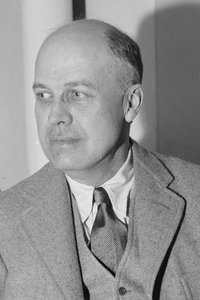
Едвард Хопер
1931 - 1967 , США
Короткі факти
- Artistic Movement Or Style: Реалізм
- Artists Or Movements Influenced By This Artist: ['Пієр Санфорд Росс']
- Artists Who Influenced This Artist:
- Вільям Мерріт Чейс
- Роберт Генрі
- Date Of Birth: 22 липня 1882
- Date Of Death: 15 травня 1967
- Full Name: Edward Hopper
- Nationality: Американський
- Notable Artworks:
- Нічні яструби
- Будинок біля залізниці
- Газ
- Place Of Birth: Няк, США
Пов'язані статті

The Enduring Legacy of Fine Art Prints: Technique, History & Aesthetic Impact
Explore the rich history & techniques of fine art prints. Discover investment potential, assess authenticity, and learn how to preserve your collection with expert guidance. Trusted insights for discerning collectors.
Топ-10 шедеврів американського реалізму: мистецтво правдивого відображення життя | AllPaintingsStore
Відкрийте для себе 10 шедеврів американського реалізму! Дослідіть історії Ендрю Уайєта, Хопера та інших видатних художників. Купіть репродукції картин преміум-якості для вашого дому на AllPaintingsStore.com.

Giclée Prints: Archival Quality & Aesthetic Nuances for the Discerning Collector
Explore the world of giclée prints with AllPaintingsStore. Learn about archival quality, aesthetic nuances & investment potential. Expert guidance for discerning art collectors seeking museum-quality reproductions and lasting value.

Grant Wood & American Regionalism: Identity, Myth & the Rural Landscape
Explore the world of Grant Wood & American Regionalism with AllPaintingsStore. Discover the symbolism behind 'American Gothic', recurring themes, and the movement's lasting impact on art history. High-quality reproductions available.

Топ-25 шедеврів Едварда Гоппера: мистецтво самотності та американського реалізму | AllPaintingsStore
Відкрийте для себе 25 культових картин Едварда Гоппера – символів американського реалізму та самотності. Історія мистецтва, техніки живопису та натхнення для вашого інтер'єру від AllPaintingsStore.com. Дослідіть всю колекцію онлайн!


