


 Переглянути в інтер'єрі
 Надіслати як листівку
 Поділитися
 Деталі витвору
 Посібник

 Завантажити
 Схожі екземпляри
 Рентгенівське дослідження
 Слайд-шоу
 Статистика
Saltillo rooftops

 Розгорнути текст
Мистецький твір, представлений на цій сторінці, захищений законом про авторське право, що унеможливлює легальне створення або продаж його ідентичної репродукції. Цей захист забезпечується відповідно до міжнародних угод, таких як Бернська конвенція та національним законодавством, зокрема положеннями, що викладені в Законодавство США про авторське право — Розділ 17. Всі права захищені. Будь-яке використання без дозволу заборонено.
Цей метод повністю відповідає нормам авторського права, оскільки він не передбачає копіювання чи дублювання захищеного твору мистецтва. Натомість це творче переосмислення — створення нового малюнка під впливом оригіналу, який не є його точним відтворенням.
Гікле / Художній принт
Друк جيкле або на полотні музейної якості з оперативним виготовленням та різноманітними варіантами фінішної обробки. ( Замовити картину ручної роботи Перейти до цифрових зображень)




P118B ₴10

P118H ₴10

P118W ₴10

P438Z ₴10

P508JH ₴12

P508YH ₴12

P805H ₴10

P805Z ₴10

P919BZ ₴10

P919G ₴10

P919XJ ₴10

P959ZH ₴10

P968JZ ₴12

W106C ₴8

W218G ₴10

W218JH ₴8

W218Y ₴10

W307PJ ₴10

W316G ₴10

W316PJ ₴8

W316Y ₴10

W398PJ ₴8

W4111J ₴10

W500HY ₴15

W500JH ₴15

W692G ₴12

W849H ₴8

W940BG ₴15

W953PJ ₴8




Обирайте з наших стандартних розмірів, що відповідають оригінальним пропорціям твору мистецтва.

Введіть необхідну ширину та висоту, щоб принт ідеально підійшов до вашої рами або стіни. Принт можна лише обрізати, але не можна зробити більшим за оригінал, тому при зміні пропорцій частина зображення буде втрачена. Перед друком ми надсилаємо вам цифровий макет для затвердження. Зображення на цій сторінці не відображає реальну обрізку — її можна побачити лише на макеті.
Доставка по всьому світу () за 2 тижні замість стандартних 4/5 тижнів. (26 Жовтень)

Безкоштовна експрес-доставка по всьому світу

Високоякісне лляне полотно

Повне страхове покриття доставки

Гарантія повернення митних зборів

Гарантія точного відтворення кольорів

Політика повернення протягом 100 днів (лише у разі виявлення дефектів)

Гарантія повернення 100% коштів

Пропозиція на оптові замовлення
 Скляний варіант доступний лише для розмірів до 110 см

Saltillo rooftops
Гікле / Художній принт
Розмір репродукції
-


Підсумкова вартість
₴ 2870
Saltillo Rooftops: A Study in Quietude and Urban Isolation
Edward Hopper’s “Saltillo Rooftops,” painted in 1943, isn't merely a depiction of a small Mexican village; it’s a distilled essence of modern American experience – a poignant meditation on solitude, observation, and the subtle alienation inherent in urban life. Born in Nyack, New York, Hopper possessed an innate ability to capture the unspoken narratives within seemingly ordinary scenes, and this painting exemplifies that talent with remarkable precision. The work transports us to Saltillo, a town nestled amidst the rolling hills of Mexico, viewed from the rooftop of a modest hotel – a vantage point offering both a panoramic vista and a profound sense of detachment. Hopper’s signature style—characterized by stark lighting, simplified forms, and an emphasis on geometric composition—is powerfully evident here. The muted palette of ochre, gray, and pale blue evokes a feeling of stillness, while the sharp angles of the rooftops and buildings create a visual rhythm that subtly underscores the painting's underlying sense of isolation.A Glimpse into Hopper’s Process: Inspiration and Context
The genesis of “Saltillo Rooftops” lies in Hopper’s summer sojourn to Mexico with his wife, Josephine. Seeking respite from the bustling energy of New York City, they traveled to Saltillo, a town known for its picturesque setting and cooler climate. Hopper meticulously documented this experience through watercolor and graphite, capturing not just the physical landscape but also the emotional atmosphere he encountered. Interestingly, Hopper’s notes reveal that he initially considered the title “Night Hawks,” referencing the predatory birds often seen circling at dusk – a subtle metaphor for the watchful, perhaps lonely, figures inhabiting the scene. The painting's creation coincided with a period of intense introspection in Hopper’s work, reflecting his growing fascination with themes of urban isolation and the quiet dramas unfolding within everyday life. The influence of Ernest Hemingway’s short stories, particularly “The Killers,” is often cited as a potential source of inspiration, though Hopper himself described the painting as capturing "the loneliness of a large city."Symbolism and Composition: Deconstructing the Scene
Beyond its immediate visual appeal, “Saltillo Rooftops” is rich in symbolic detail. The prominent guns positioned in the foreground—a jarring element within the otherwise peaceful setting—are particularly intriguing. While their exact significance remains open to interpretation, they can be viewed as a commentary on the potential for conflict and violence lurking beneath the surface of seemingly tranquil communities. The church steeple towering over the town serves as a visual anchor, representing faith and tradition amidst the modern landscape. The scattered figures below – a few individuals standing near the church, others further away – suggest a sense of community, yet their distance from one another reinforces the painting’s overarching theme of isolation. Hopper's masterful use of light and shadow creates a dramatic interplay between illumination and darkness, drawing the viewer's eye to key elements while simultaneously emphasizing the emptiness of the scene. The sharp lines of the buildings contrast with the softer curves of the hills in the background, further contributing to the painting’s dynamic composition.The Enduring Legacy: A Masterpiece of American Realism
“Saltillo Rooftops” stands as a quintessential example of Edward Hopper's unique artistic vision—a poignant exploration of the human condition within the context of modern America. Its quiet intensity, evocative atmosphere, and subtle symbolism continue to resonate with viewers today, cementing its place as one of Hopper’s most celebrated works. Reproductions of this painting offer a remarkable opportunity to experience the depth and complexity of Hopper's art firsthand, allowing us to contemplate the beauty and melancholy inherent in everyday moments. Whether displayed in a contemporary interior or studied within an art history classroom, “Saltillo Rooftops” remains a powerful testament to Hopper’s ability to capture the essence of human experience with remarkable clarity and emotional resonance.Питання та відповіді
Де я можу знайти статистику про «Saltillo rooftops» роботи Едвард Хопер?
Сторінка Статистика переглядів для роботи «Saltillo rooftops» роботи Едвард Хопер містить статистику публічних переглядів: кількість щомісячних відвідувань цього твору, порівняння з найбільш популярними роботами митця та географію відвідувачів.
Яке місце посідає «Saltillo rooftops» у творчому дорозі Едвард Хопер?
«Saltillo rooftops» належить до American Realism творчості Едвард Хопер, чиї характерні теми включають urban isolation, american realism, post-war anxieties, social themes, regional settings, quiet scenes, melancholy mood, solitude theme.
Як сюжет твору "Saltillo rooftops" перегукується із звичними темами Едвард Хопер?
Повторювані теми Едвард Хопер включають urban isolation, american realism, post-war anxieties, social themes, regional settings, quiet scenes, melancholy mood, solitude theme; «Saltillo rooftops» зосереджується на village, rooftops, church, guns, townscape, isolation, shadows.
Схожі твори мистецтва


Біографія митця
A Solitude Observed: The Life and Art of Edward Hopper
Edward Hopper, a name inextricably linked to the quietude and subtle melancholy that permeated 20th-century American life, wasn’t simply a painter of scenes; he was a poet of light and shadow, a chronicler of modern isolation. Born in Nyack, New York, in 1882, to middle-class parents of Dutch ancestry, Hopper's early years provided a stable upbringing that nurtured his artistic inclinations. From childhood sketches meticulously dated and signed, it became evident that keen observation and an innate talent for drawing were central to his being. Though initially encouraged towards commercial illustration – a pragmatic suggestion from his parents – Hopper’s ambitions leaned toward fine art, leading him to the New York School of Art where he studied under William Merritt Chase and Robert Henri. These formative years instilled not only technical skill but also an appreciation for realism and a commitment to depicting the world as he saw it—unvarnished and honest. The writings of Ralph Waldo Emerson resonated deeply with Hopper, reinforcing his sense of individualism and acute observation – qualities that would become hallmarks of his artistic vision. Early travels to Paris exposed him to Impressionism, yet Hopper quickly diverged from its fleeting brushstrokes, forging a path uniquely his own.Finding His Voice: Realism and the American Scene
Hopper’s artistic journey wasn't immediate or effortless. He grappled with discovering his distinctive voice, experimenting with various styles before settling into the realism that would define his career. This wasn’t mere replication of reality; it was a distillation of its essence, stripping away extraneous detail to reveal underlying emotional truths. His paintings began to focus on everyday scenes – houses, diners, offices, hotel rooms – imbued with a sense of stillness and often, loneliness. He possessed an extraordinary ability to capture the psychological states of his subjects, hinting at narratives without explicitly stating them. The precise rendering of light and shadow became crucial, not merely as descriptive elements but as emotional cues, creating atmospheres that were both captivating and unsettling. House by the Railroad (1925), an early masterpiece, exemplifies this approach—a seemingly simple composition radiating a profound sense of isolation and mystery. Hopper’s printmaking, often overlooked, ran parallel to his painting, sharing similar themes and stylistic qualities, demonstrating his mastery across mediums. He wasn't interested in grand historical narratives or allegorical symbolism; he focused on the mundane, elevating it through careful observation and emotional resonance.Iconic Visions: Nighthawks and Beyond
While Hopper’s career unfolded gradually, certain works catapulted him to widespread recognition. Nighthawks (1942), arguably his most famous painting, became an instant icon of American culture. The late-night diner scene, bathed in stark fluorescent light, perfectly encapsulates the alienation and anonymity of modern urban life. The figures within are lost in their own thoughts, disconnected from one another despite their proximity—a poignant commentary on the human condition. Gas (1940), with its striking portrayal of a roadside gas station, showcases Hopper’s fascination with American landscapes and the burgeoning automobile culture. Other notable works like *Automat*, *Office in a Small City*, and *Summertime* each offer unique insights into the complexities of 20th-century American society. These paintings weren't merely depictions of places; they were explorations of mood, psychology, and the subtle dramas unfolding within ordinary settings. His wife, Josephine Nivison Hopper, played a vital role not only as his lifelong companion but also as a frequent model, contributing significantly to the characterization of his female figures.Themes and Legacy: A Lasting Influence
Several recurring themes permeate Hopper’s oeuvre. Urban isolation is perhaps the most prominent—the sense of loneliness experienced by individuals even amidst crowds. He explored the American landscape, both rural and urban, often emphasizing its starkness and emptiness. His work delves into psychological realism, probing the inner lives of his subjects with a sensitivity that transcends mere representation. There’s also an undercurrent of nostalgia for a simpler past, juxtaposed with an acknowledgement of the complexities and anxieties of modern life. Hopper's influence on subsequent artists is undeniable. His unique style has inspired countless painters, including Pierre Sanford Ross, and continues to resonate with contemporary artists seeking to capture the essence of human experience. His paintings remain highly sought after by collectors and are exhibited in major museums worldwide, solidifying his place as a pivotal figure in American art history. More than just an artist, Edward Hopper was a visual philosopher, offering profound insights into the human condition through his masterful use of light, shadow, and composition.- His legacy lies not only in the beauty of his paintings but also in their enduring ability to provoke thought, evoke emotion, and remind us of the quiet solitude that often defines our lives.
- Hopper’s work continues to captivate audiences because it speaks to universal themes of loneliness, isolation, and the search for meaning in a rapidly changing world.
- His paintings have become iconic representations of American culture, often used to symbolize the anxieties and aspirations of the 20th century—and beyond.
- Hopper’s aesthetic has profoundly influenced filmmakers (like Alfred Hitchcock) and writers, inspiring countless works that explore similar themes of alienation and psychological tension.
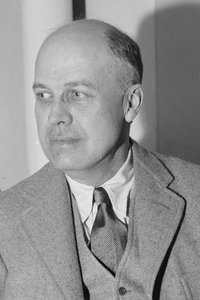
Едвард Хопер
1931 - 1967 , США
Короткі факти
- Artistic Movement Or Style: Реалізм
- Artists Or Movements Influenced By This Artist: ['Пієр Санфорд Росс']
- Artists Who Influenced This Artist:
- Вільям Мерріт Чейс
- Роберт Генрі
- Date Of Birth: 22 липня 1882
- Date Of Death: 15 травня 1967
- Full Name: Edward Hopper
- Nationality: Американський
- Notable Artworks:
- Нічні яструби
- Будинок біля залізниці
- Газ
- Place Of Birth: Няк, США
Пов'язані статті

American Regionalism: An Expert Guide to Integrating Heartland Soul into Hospitality Design
Elevate hospitality interiors with the authentic soul of American Regionalism. An expert guide for hotel designers on sourcing high-quality, large-scale oil reproductions and custom multi-panel landscapes to create timeless, character-driven spaces for global travelers.

American Realism for Hospitality Design: A Professional Guide to Integrating Authentic Urban and Coastal Masterpieces
Elevate hospitality interiors with American Realism. Our expert guide for designers covers selecting iconic Edward Hopper-style reproductions, custom multi-panel layouts, and efficient bulk procurement of hand-painted oil masterpieces for hotels and corporate spaces.


