Гарантія повернення коштів протягом 100 днів Безкоштовна доставка по всьому світу
449 564витвори мистецтва 30 613художники 4 660музеї 32мови
Запис у каталозі

untitled (6857)

Acrylic On Canvas.

Рис. 1. Едвард Хопер, untitled (6857). Показано як репродукцію, яку ви вказали: , .

§ 1Дані каталогу

§ 2Абстракція

Опис експоната

Explore Edward Hopper’s ‘untitled (6857)’ – a meticulously rendered oil painting of a Victorian house under a bright sky. Admire its realism, architectural detail & evocative atmosphere.

Біографія митця

Едвард Хоппер – геній американського реалізму, що вловив самотність та міську атмосферу світлом і тінями. Відкрийте для себе його культові картини, наприклад, «Нічні яструби»!

§ 3Коментар

Edward Hopper’s “Nighthawks”: A Study in Urban Isolation

The painting "Nighthawks," completed in 1942 during the tumultuous years of World War II, remains one of Edward Hopper's most iconic images and arguably his masterpiece. More than just a depiction of a diner at night—though its meticulously rendered interior is undeniably striking—it embodies a profound exploration of solitude and psychological tension within the modern American landscape. Hopper himself famously described it as “unconsciously” capturing “the loneliness of a large city,” a sentiment that resonates powerfully with viewers even today.
  • Composition & Perspective: Hopper employs a masterful use of linear perspective to create a sense of depth, anchoring the diner’s interior against the darkened street outside. The elevated viewpoint offers an unobstructed gaze upon the scene, emphasizing the building's dominance and subtly isolating its occupants within their enclosed space.
  • Color Palette & Lighting: Dominated by muted greens, blues, and browns—a palette characteristic of Hopper’s style—the painting utilizes diffused lighting to cast soft shadows that heighten the drama and underscore the figures’ emotional states. The warm glow emanating from the diner contrasts sharply with the cool darkness of the street, creating a visual dichotomy that mirrors the psychological divide between those inside and outside.
  • Stylistic Elements: Hopper's signature style—characterized by smooth brushstrokes and precise rendering—is evident throughout “Nighthawks.” The meticulous attention to detail—particularly in capturing textures like brickwork and polished metal—reflects his commitment to realism while simultaneously conveying a sense of stillness and contemplation.

Historical Context & Influences

“Nighthawks” emerged during a period marked by significant social upheaval and anxiety surrounding the war effort. Hopper’s artistic sensibilities were deeply influenced by Surrealism, particularly René Magritte's work, which explored themes of dreamlike reality and psychological introspection. However, unlike Surrealist artists who sought to disrupt conventional perceptions, Hopper aimed for a quiet observation of everyday life—a deliberate rejection of grand narratives in favor of capturing the subtle nuances of human experience. The painting’s mood reflects the anxieties of wartime America, where individuals often felt disconnected from one another and overwhelmed by circumstance.

Symbolism & Emotional Impact

Beyond its formal qualities, “Nighthawks” is laden with symbolic significance. The four figures—a man, a woman, and two companions—sit silently at the diner counter, their faces averted as they gaze into the distance. Their postures convey a palpable sense of detachment and unspoken longing, suggesting that despite physical proximity, genuine connection remains elusive. Hopper’s masterful use of light and shadow contributes to this emotional resonance, creating an atmosphere of melancholy and hinting at hidden vulnerabilities beneath the surface of seemingly ordinary behavior. The diner itself serves as a metaphor for urban isolation—a space where individuals exist simultaneously within a shared environment yet remain profoundly alone in their thoughts and feelings.

Legacy & Influence

“Nighthawks” has cemented Hopper’s place among America's greatest artists and continues to inspire admiration and interpretation decades after its creation. Its enduring appeal lies in its ability to capture the essence of modern life—the quiet desperation, the unspoken anxieties, and the pervasive sense of solitude that characterize the human condition. It remains a cornerstone of American Realism and has profoundly impacted subsequent generations of painters and filmmakers, establishing Hopper as an unparalleled chronicler of urban experience and psychological introspection. Its influence can be seen in countless works exploring themes of alienation and isolation—a testament to Hopper’s enduring vision of the world.

Питання та відповіді

Чи використовує «untitled (6857)» роботи Едвард Хопер сильні контрасти чи м'які гармонії?

У творі "untitled (6857)" Statement контраст поєднується з Discordant Palette гармонією.

Чи можу я детальніше розглянути "untitled (6857)"?

Сторінка Рентгенівське дослідження для твору «untitled (6857)» роботи Едвард Хопер — це інтерактивний візуалізатор, що дозволяє досліджувати одинадцять оптичних шарів зображення, включаючи рентгенівський зріз.

Яка частина дому найкраще підійде для репродукції «untitled (6857)»?

«untitled (6857)» роботи Едвард Хопер рекомендується для Living Room. Ця пропозиція ґрунтується на сюжеті, кольоровій гамі та настрої твору.
§ 4Художник

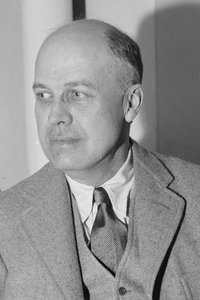
Едвард Хопер

Едвард Хопер

1931 - 1967, США

Короткі факти про Едвард Хопер

  • Artistic Movement Or Style: Реалізм
  • Artists Or Movements Influenced By This Artist: ['Пієр Санфорд Росс']
  • Artists Who Influenced This Artist:
    • Вільям Мерріт Чейс
    • Роберт Генрі
  • Date Of Birth: 22 липня 1882
  • Date Of Death: 15 травня 1967
  • Full Name: Edward Hopper
  • Nationality: Американський
  • Notable Artworks:
    • Нічні яструби
    • Будинок біля залізниці
    • Газ
  • Place Of Birth: Няк, США

Біографія митця

A Solitude Observed: The Life and Art of Edward Hopper

Edward Hopper, a name inextricably linked to the quietude and subtle melancholy that permeated 20th-century American life, wasn’t simply a painter of scenes; he was a poet of light and shadow, a chronicler of modern isolation. Born in Nyack, New York, in 1882, to middle-class parents of Dutch ancestry, Hopper's early years provided a stable upbringing that nurtured his artistic inclinations. From childhood sketches meticulously dated and signed, it became evident that keen observation and an innate talent for drawing were central to his being. Though initially encouraged towards commercial illustration – a pragmatic suggestion from his parents – Hopper’s ambitions leaned toward fine art, leading him to the New York School of Art where he studied under William Merritt Chase and Robert Henri. These formative years instilled not only technical skill but also an appreciation for realism and a commitment to depicting the world as he saw it—unvarnished and honest. The writings of Ralph Waldo Emerson resonated deeply with Hopper, reinforcing his sense of individualism and acute observation – qualities that would become hallmarks of his artistic vision. Early travels to Paris exposed him to Impressionism, yet Hopper quickly diverged from its fleeting brushstrokes, forging a path uniquely his own.

Finding His Voice: Realism and the American Scene

Hopper’s artistic journey wasn't immediate or effortless. He grappled with discovering his distinctive voice, experimenting with various styles before settling into the realism that would define his career. This wasn’t mere replication of reality; it was a distillation of its essence, stripping away extraneous detail to reveal underlying emotional truths. His paintings began to focus on everyday scenes – houses, diners, offices, hotel rooms – imbued with a sense of stillness and often, loneliness. He possessed an extraordinary ability to capture the psychological states of his subjects, hinting at narratives without explicitly stating them. The precise rendering of light and shadow became crucial, not merely as descriptive elements but as emotional cues, creating atmospheres that were both captivating and unsettling. House by the Railroad (1925), an early masterpiece, exemplifies this approach—a seemingly simple composition radiating a profound sense of isolation and mystery. Hopper’s printmaking, often overlooked, ran parallel to his painting, sharing similar themes and stylistic qualities, demonstrating his mastery across mediums. He wasn't interested in grand historical narratives or allegorical symbolism; he focused on the mundane, elevating it through careful observation and emotional resonance.

Iconic Visions: Nighthawks and Beyond

While Hopper’s career unfolded gradually, certain works catapulted him to widespread recognition. Nighthawks (1942), arguably his most famous painting, became an instant icon of American culture. The late-night diner scene, bathed in stark fluorescent light, perfectly encapsulates the alienation and anonymity of modern urban life. The figures within are lost in their own thoughts, disconnected from one another despite their proximity—a poignant commentary on the human condition. Gas (1940), with its striking portrayal of a roadside gas station, showcases Hopper’s fascination with American landscapes and the burgeoning automobile culture. Other notable works like *Automat*, *Office in a Small City*, and *Summertime* each offer unique insights into the complexities of 20th-century American society. These paintings weren't merely depictions of places; they were explorations of mood, psychology, and the subtle dramas unfolding within ordinary settings. His wife, Josephine Nivison Hopper, played a vital role not only as his lifelong companion but also as a frequent model, contributing significantly to the characterization of his female figures.

Themes and Legacy: A Lasting Influence

Several recurring themes permeate Hopper’s oeuvre. Urban isolation is perhaps the most prominent—the sense of loneliness experienced by individuals even amidst crowds. He explored the American landscape, both rural and urban, often emphasizing its starkness and emptiness. His work delves into psychological realism, probing the inner lives of his subjects with a sensitivity that transcends mere representation. There’s also an undercurrent of nostalgia for a simpler past, juxtaposed with an acknowledgement of the complexities and anxieties of modern life. Hopper's influence on subsequent artists is undeniable. His unique style has inspired countless painters, including Pierre Sanford Ross, and continues to resonate with contemporary artists seeking to capture the essence of human experience. His paintings remain highly sought after by collectors and are exhibited in major museums worldwide, solidifying his place as a pivotal figure in American art history. More than just an artist, Edward Hopper was a visual philosopher, offering profound insights into the human condition through his masterful use of light, shadow, and composition.
  • His legacy lies not only in the beauty of his paintings but also in their enduring ability to provoke thought, evoke emotion, and remind us of the quiet solitude that often defines our lives.
  • Hopper’s work continues to captivate audiences because it speaks to universal themes of loneliness, isolation, and the search for meaning in a rapidly changing world.
  • His paintings have become iconic representations of American culture, often used to symbolize the anxieties and aspirations of the 20th century—and beyond.
  • Hopper’s aesthetic has profoundly influenced filmmakers (like Alfred Hitchcock) and writers, inspiring countless works that explore similar themes of alienation and psychological tension.
Edward Hopper's ability to capture the essence of modern American life with honesty, sensitivity, and a distinctive artistic vision ensures his place as one of the most important artists of the 20th century.

§ 5Схожі роботи

§ 6Запитання

Основна інформація

  • Medium: Oil on canvas
  • Subject or theme: Architectural house
  • Influences: Edward Hopper
  • Movement: American Realism

Квіз про мистецтво

У кожному запитанні лише одна правильна відповідь.

Запитання 1:
What artistic movement is Edward Hopper’s ‘untitled (6857)’ primarily associated with?
Запитання 2:
The image description mentions a 'slightly elevated perspective'. What is the primary effect of this compositional choice?
Запитання 3:
What material was used to create the painting?
Запитання 4:
The image description highlights 'linear perspective' and 'atmospheric haze'. What role do these elements play in conveying mood?
Запитання 5:
Which artist is Hopper most often compared to in terms of stylistic influence?

§ 7Цитувати цей запис

AllPaintingsStore.com, “Едвард Хопер, untitled (6857)”, https://allpaintingsstore.com/uk/art/edward-hopper-untitled-6857-9GEU89-en/ArtistReproduction/ (дата перегляду 7 Жовтень 2026).

§ 8Репродукція

Олійная репродукція ручної роботи

Написана вручну олією на полотні у вашому розмірі та рамі, виготовлена на замовлення нашими художниками. ( Перейти до друку Перейти до цифрових зображень)

Це зазначено на маржі замовного листа; поточний стан цього листа такий:

untitled (6857)

Матеріал репродукції

Розмір репродукції

-

Видатний майстер-художник

Більше деталізації, витонченості та додаткового часу на створення твору

-

Рама для репродукції

-

-

Для творів мистецтва або репродукцій, розмір яких перевищує 105 см (приблизно 41 дюйм) з будь-якого боку, рама доставляється у вигляді розібраного комплекту. Такий метод гарантує безпечну доставку та запобігає пошкодженням під час транспортування.

Потребує професійного збирання — це не продукт для самостійного виготовлення (DIY).
Комплект має бути зібраний, а полотно натягнуте досвідченим майстром багетних робіт із використанням клейового дерева (не входить у комплект), щипців для натягування полотна та затискачів, щоб підрамник залишався рівним під час висихання клею. Неправильне збирання або нерівномірне натягування полотна може призвести до незворотного пошкодження твору мистецтва, що не підпадає під дію нашої гарантії.

  • У комплект входять усі бруски з цільного дерева, точно вирізані за розміром.

  • Збирається за допомогою гвинтів, що входять до комплекту, а також клейового розчину для кутових з'єднань, який не входить до комплекту і має бути підготовлений вашим майстром.

  • Потрібні професійні інструменти, які не входять до комплекту: щипці для натягування полотна (натягувач) та затискачі, щоб утримувати рейки рівно під час висихання клею.

Важливо:
Для з'єднання кутів потрібен клей для дерева, перекладини необхідно затиснути струбцинами до повного висихання клею, а для натягування полотна на зібрану раму знадобляться щипці для натягування полотна. Жоден із цих інструментів не входить до комплекту. Будь ласка, проконсультуйтеся з досвідченим майстром багетного оформлення перед замовленням рами такого розміру.

Етикетка експоната

-

-

Захисний лак

Глянцевий лак (підсилює яскравість кольорів, захищає від світла та вологи)

-

Персоналізувати мій витвір

Приклади можливих змін: заміна обличчя на фото клієнта; додавання домашньої тварини (наприклад, заміна кота на собаку); додавання прихованого повідомлення на фоні; зміна пейзажу або елементів фону.

-

Прискорено

Доставка по всьому світу () за 3–4 тижні замість стандартних 5 тижнів. (5 Листопад). Без компромісів у якості.

-

Експрес-доставка

Доставка по всьому світу () протягом 5 тижнів. (12 Листопад).

Включено в ціну

Підсумкова вартість

₴ 11607

До кожного замовлення додається

  • Безкоштовна експрес-доставка по всьому світу
  • Високоякісне лляне полотно
  • Повне страхове покриття доставки
  • Гарантія повернення митних зборів
  • Гарантія точного відтворення кольорів
  • Політика повернення протягом 100 днів (лише у разі виявлення дефектів)
  • Гарантія повернення 100% коштів
  • Пропозиція на оптові замовлення
Форма замовлення