


 Переглянути в інтер'єрі

 Надіслати як листівку
 Поділитися
 Деталі витвору
 Посібник


 Завантажити
 Схожі екземпляри
 Рентгенівське дослідження
 Слайд-шоу
 Питання та відповіді
 Статистика
Green Tree


 Розгорнути текст
Гікле / Художній принт
Друк جيкле або на полотні музейної якості з оперативним виготовленням та різноманітними варіантами фінішної обробки. ( Замовити картину ручної роботи Перейти до цифрових зображень)
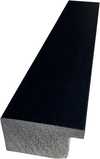
P118B ₴10
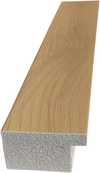
P118H ₴10
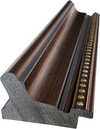
P118W ₴10
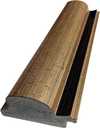
P438Z ₴10
P508JH ₴12
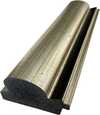
P508YH ₴12
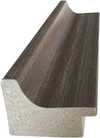
P805H ₴10
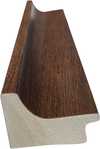
P805Z ₴10
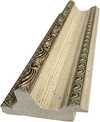
P919BZ ₴10
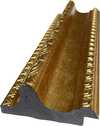
P919G ₴10
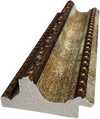
P919XJ ₴10
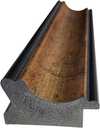
P959ZH ₴10
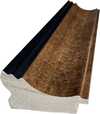
P968JZ ₴12
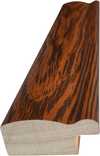
W106C ₴8

W218G ₴10
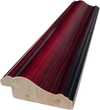
W218JH ₴8
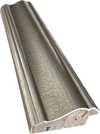
W218Y ₴10
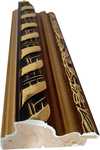
W307PJ ₴10
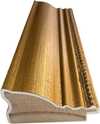
W316G ₴10
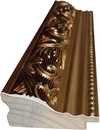
W316PJ ₴8
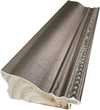
W316Y ₴10
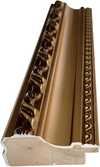
W398PJ ₴8
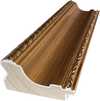
W4111J ₴10
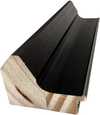
W500HY ₴15
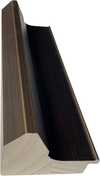
W500JH ₴15
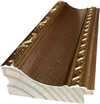
W692G ₴12
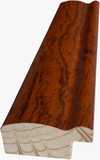
W849H ₴8
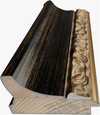
W940BG ₴15
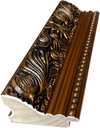
W953PJ ₴8

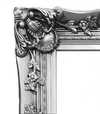
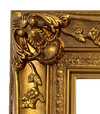
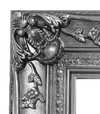
Обирайте з наших стандартних розмірів, що відповідають оригінальним пропорціям твору мистецтва.

Введіть необхідну ширину та висоту, щоб принт ідеально підійшов до вашої рами або стіни. Принт можна лише обрізати, але не можна зробити більшим за оригінал, тому при зміні пропорцій частина зображення буде втрачена. Перед друком ми надсилаємо вам цифровий макет для затвердження. Зображення на цій сторінці не відображає реальну обрізку — її можна побачити лише на макеті.
Доставка по всьому світу () за 2 тижні замість стандартних 4/5 тижнів. (16 Листопад)

Безкоштовна експрес-доставка по всьому світу

Високоякісне лляне полотно

Повне страхове покриття доставки

Гарантія повернення митних зборів

Гарантія точного відтворення кольорів

Політика повернення протягом 100 днів (лише у разі виявлення дефектів)

Гарантія повернення 100% коштів

Пропозиція на оптові замовлення
 Скляний варіант доступний лише для розмірів до 110 см

Green Tree
Гікле / Художній принт
Розмір репродукції
-


Підсумкова вартість
₴ 2916
A Surreal Portrait of Industrial Age Anxieties: "Green Tree" by Fernand Léger
Fernand Léger’s “Green Tree,” painted in 1944, is more than just a depiction of a tree; it's a potent visual distillation of the anxieties and fascinations that defined the early 20th century. This seemingly simple image – a vibrant green tree with a deliberately anthropomorphic face, bathed in the glow of a yellow sun – unfolds as a complex meditation on modernity’s impact on humanity and the natural world. Léger, a key figure in the Cubist movement, was deeply concerned with representing the burgeoning industrial landscape, and “Green Tree” embodies this preoccupation with striking clarity.
- Subject Matter: The central subject is undeniably a tree, yet it’s transformed into an almost mournful portrait. The addition of a human-like face imbues the tree with a sense of awareness, perhaps even sorrow, suggesting a displacement or alienation within the rapidly changing world.
- Symbolism: The yellow sun, often associated with optimism and enlightenment, here feels somewhat melancholic, casting a warm but ultimately isolating light on the tree’s visage. Scattered objects – a clock, handbag, scissors – are not merely decorative; they represent the detritus of modern life, hinting at a loss of connection to nature and traditional values.
- Composition: Léger's signature geometric style is evident in the fractured forms of the tree and the surrounding elements. This deliberate fragmentation reflects the breakdown of traditional perspectives and the unsettling feeling of disorientation that accompanied industrialization.
Léger’s Cubist Vision and the Machine Age
Created during a period of immense social and technological upheaval, “Green Tree” is firmly rooted in Léger's artistic philosophy. He rejected purely abstract art, believing it detached from reality. Instead, he sought to capture the essence of modern life – the dynamism of machines, the angularity of urban landscapes, and the impact on human form – through a style he termed "Tubism," later evolving into “Concrete Art.” This approach involved breaking down objects into their fundamental geometric shapes, reassembling them in new configurations, and emphasizing the mechanical aspects of the world. Léger was profoundly influenced by the rise of industrialization and its effect on the human psyche, reflecting this concern through his art.
- Technique: Léger employed a bold, almost brutalist technique characterized by thick impasto – layers of paint applied with considerable force – creating a textured surface that emphasizes the physicality of form. The use of primary colors – green, yellow, and touches of brown – contributes to the painting’s raw energy and emotional intensity.
- Historical Context: Painted in 1944, during World War II, “Green Tree” carries an added layer of significance. The anxieties surrounding conflict, technological advancement, and the potential for destruction are subtly embedded within the artwork's unsettling imagery.
Emotional Resonance and Artistic Legacy
"Green Tree" is not a comfortable image; it’s deliberately provocative and emotionally charged. Léger wasn’t interested in creating pretty pictures; he wanted to confront viewers with the realities of modern life, prompting reflection on humanity's relationship with technology and nature. The painting’s enduring appeal lies in its ability to tap into universal anxieties about change, displacement, and the loss of innocence. Léger’s influence extends far beyond Cubism, shaping the course of 20th-century art and inspiring generations of artists to explore the possibilities of abstraction while remaining connected to the observable world.
Artist: Fernand Léger Date: 1944 Movement: Cubism, Concrete ArtПитання та відповіді
Як можна використати «Green Tree» роботи Фернан Леже в інтер'єрі дому?
«Green Tree» чудово підійде для Statement, а найкращим місцем для його розміщення стане Living Room.
Як кольори «Green Tree» роботи Фернан Леже передають емоційний настрій твору?
Палітра Dark у творі «Green Tree» роботи Фернан Леже гармонійно поєднується з його Playful емоційним настроєм. Колір — це один із способів, за допомогою якого витвір передає почуття.
До якого художнього напряму належить «Green Tree» роботи Фернан Леже?
Мистецький напрям, до якого належить «Green Tree» роботи Фернан Леже, — це Cubist Modernity. Така класифікація дозволяє розмістити цей твір у контексті суміжних митців та творів мистецтва.
Схожі твори мистецтва


Пов'язані статті

Steel & Soul: 10 Powerful Artworks That Capture the Industrial Vibe
Explore 10 iconic artworks that define the gritty, powerful industrial aesthetic. From urban landscapes to metallic textures, discover the stories behind these timeless masterpieces and find museum-quality reproductions for your space. Explore the full collection online at AllPaintingsStore.com.

Modern Geometry & Machine Age Beauty: A Collector's Guide to the Cubist Vision of Fernand Léger
Explore the profound geometric mastery of Fernand Léger. Discover how his 'Tubism' and Machine Age aesthetics redefined modern art, offering timeless inspiration for discerning collectors seeking to integrate Cubist dynamism into sophisticated contemporary interiors.

Mastering the Machine Age: The Top 25 Fernand Léger Artworks
Immerse yourself in the vibrant world of Fernand Léger. Explore 25 iconic Cubist masterpieces, from bold Tubism to machine-age aesthetics. Find inspiration for your decor with museum-quality art reproductions. Discover all masterpieces on AllPaintingsStore.com.


