


 Переглянути в інтер'єрі
 Надіслати
 Поділитися
 Деталі
 Посібник

 Завантажити
 Схожі предмети колекціонування
 Рентгенівське дослідження
 Слайд-шоу
 Статистика переглядів
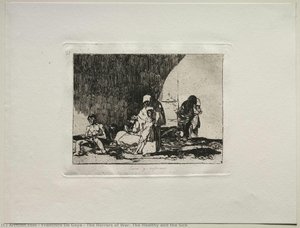
The Horrors of War: The Worst is to Beg


 Читати далі
Олійная репродукція ручної роботи
Написана вручну олією на полотні у вашому розмірі та рамі, виготовлена на замовлення нашими художниками. ( Перейти до друку Перейти до цифрових зображень)




P118B $10

P118H $10

P118W $10

P438Z $10

P508JH $12

P508YH $12

P805H $10

P805Z $10

P919BZ $10

P919G $10

P919XJ $10

P959ZH $10

P968JZ $12

W106C $8

W218G $10

W218JH $8

W218Y $10

W307PJ $10

W316G $10

W316PJ $8

W316Y $10

W398PJ $8

W4111J $10

W500HY $15

W500JH $15

W692G $12

W849H $8

W940BG $15

W953PJ $8




Обирайте з наших стандартних розмірів, що відповідають оригінальним пропорціям твору мистецтва.

Ви можете вказати власні розміри, щоб репродукція ідеально підійшла до конкретної рами або інтер'єру. Якщо вибраний вами розмір не відповідає пропорціям оригіналу, ми або обріжемо полотно, або доповнимо картину додатковими елементами, промальованими вручну. Цифровий макет буде надіслано вам на затвердження перед початком виробництва.
Зверніть увагу, що попередній перегляд на екрані не відображає фактичне обрізання або розширення зображення. Тільки макет точно покаже остаточну композицію.
Хоча ми можемо виготовити виріб у нестандартному розмірі, для збереження оригінальних пропорцій рекомендуємо обирати варіанти зі встановленого списку.
Після оформлення замовлення команда AllPaintingsStore.com зв'яжеться з клієнтом електронною поштою для отримання інструкцій та надасть попередній макет
Доставка по всьому світу () за 3–4 тижні замість стандартних 5 тижнів. (21 Вересень). Без жодних компромісів у якості.

Безкоштовна експрес-доставка по всьому світу

Високоякісне лляне полотно

Повне страхове покриття доставки

Гарантія повернення митних зборів

Гарантія точного відтворення кольорів

Політика повернення протягом 100 днів (лише у разі виявлення дефектів)

Гарантія повернення 100% коштів

Знижка на оптові замовлення
 Скляний варіант доступний лише для розмірів до 110 см

The Horrors of War: The Worst is to Beg
Техніка репродукції
Розмір репродукції
-


Загальна вартість
$ 258
A Descent into Darkness: Francisco de Goya’s “The Horrors of War”
Francisco José de Goya y Lucientes' "The Horrors of War: The Worst is to Beg" (Lo peor es pedir), painted around 1814-1816, isn’t merely a depiction of battle; it’s a visceral scream against the brutality and moral decay unleashed by conflict. Emerging from a period of immense upheaval in Spain – the Napoleonic invasion, the Peninsular War, and the subsequent restoration under Ferdinand VII – this painting transcends its immediate historical context to become a timeless indictment of war's devastating consequences on humanity. Goya, already wrestling with personal demons and a growing disillusionment with society, channeled his anxieties into a series of works exploring themes of suffering, death, and the grotesque, culminating in this profoundly unsettling tableau.
The scene unfolds within a dimly lit, almost claustrophobic space. Three figures dominate the foreground: a woman, likely a grieving mother or widow, clutching a lifeless child; a wounded soldier, his face contorted in agony; and a man, seemingly resigned to his fate, leaning against a crumbling wall. Around them lie the bodies of fallen soldiers – men stripped bare, their limbs scattered, their faces frozen in expressions of terror and despair. The composition is deliberately chaotic, mirroring the disarray and devastation of war. Goya masterfully employs dramatic lighting, casting harsh shadows that accentuate the figures’ anguish and highlighting the stark contrast between life and death.
The Palette of Despair: Technique and Style
Executed in a predominantly monochrome palette – shades of grey, black, and white – “The Horrors of War” exemplifies Goya's shift towards a darker, more expressive style. He abandons the polished elegance of his earlier court portraits, opting instead for a raw, unflinching realism. The brushstrokes are loose and agitated, conveying a sense of urgency and emotional turmoil. Goya’s masterful use of chiaroscuro – the dramatic contrast between light and dark – intensifies the scene's impact, drawing the viewer’s eye to the figures’ suffering while simultaneously creating an atmosphere of oppressive gloom. The painting is executed in oil on canvas, a medium that allowed Goya to achieve remarkable detail and texture, particularly evident in the depiction of the ravaged bodies.
Symbolism and Historical Resonance
The painting is laden with symbolism. The lifeless child represents innocence lost – a potent reminder of war’s devastating impact on future generations. The wounded soldier embodies the physical and psychological wounds inflicted by conflict, while his posture suggests a profound sense of hopelessness. The crumbling wall serves as a visual metaphor for the collapse of order and morality during wartime. Furthermore, the presence of dogs—often interpreted as scavengers—adds to the painting’s bleakness, suggesting that even nature is tainted by the horrors of war. The work directly references the Peninsular War, specifically the brutal fighting in Madrid during Napoleon's invasion, a conflict Goya witnessed firsthand and which profoundly shaped his artistic vision.
A Legacy of Anguish: Emotional Impact and Enduring Relevance
“The Horrors of War” is not a comfortable painting. It’s deliberately unsettling, forcing the viewer to confront the uncomfortable realities of violence and suffering. Yet, it's precisely this unflinching honesty that makes it so profoundly powerful. Goya doesn’t glorify war; he exposes its ugliness with brutal clarity. The painting continues to resonate today because its themes – loss, despair, and the enduring cost of conflict – remain tragically relevant in a world still plagued by violence. Reproductions of this masterpiece offer a poignant reminder of humanity's capacity for both cruelty and compassion, inviting contemplation on the nature of war and its lasting impact on individuals and societies. It stands as a testament to Goya’s genius and his unwavering commitment to portraying the darkest aspects of human experience.
Схожі твори мистецтва




Біографія митця
The Spanish Soul: A Life Forged in Shadow and Light
Francisco José de Goya y Lucientes, a name that echoes through the corridors of art history, embodies a profound paradox. He was simultaneously a product of his era – deeply rooted in the traditions of Old Masters – and a visionary who anticipated the anxieties and expressive freedom of modern art. Born in 1746 in the unassuming village of Fuendetodos, Spain, Goya’s journey from a provincial artist to court painter, and ultimately, to a chronicler of human suffering and societal decay, stands as a testament to his extraordinary talent and the turbulent times he navigated. His early artistic training began at fourteen under José Luzán y Martinez, laying a foundational understanding of classical techniques before he moved to Madrid and honed his skills with Anton Raphael Mengs, then the dominant artistic force within the Spanish court. This initial period instilled in him a mastery of form and composition, vividly demonstrated in his early commissions – intricate designs for tapestries depicting lively scenes from everyday life, reflecting a Rococo sensibility tempered by a distinctly Spanish realism. His marriage to Josefa Bayeu, sister to another painter within the royal circle, further solidified his position within the artistic establishment. These early works, while charming and skillfully executed, offered little indication of the profound emotional depth and unsettling darkness that would characterize much of his later oeuvre.Ascension and Transformation: From Courtly Grace to Inner Turmoil
Goya’s ascent through the ranks of the Spanish court was steady and marked by consistent success. He secured a position as a painter to the Royal Chamber in 1786, receiving a continuous stream of portrait commissions from the aristocracy and royalty. These portraits are remarkable not merely for their technical brilliance – Goya possessed an uncanny ability to capture likeness with unflinching honesty – but also for their astute psychological insight. He didn’t simply paint what his sitters *looked* like; he revealed something of their character, their vulnerabilities, and even the hidden anxieties that lay beneath their carefully constructed facades. The Countess of Chinchón, for example, is not merely a beautiful woman adorned in elegant attire; she radiates intelligence and perhaps a touch of melancholy – an understanding far beyond a simple depiction of physical beauty. However, beneath this veneer of courtly success, a significant transformation was taking place within Goya. In 1793, he suffered a devastating illness that left him profoundly deaf, an event that irrevocably altered his perception of the world and, consequently, his artistic vision. This affliction plunged him into a period of intense introspection and isolation, severing his connection to the social life he once enjoyed and forcing him inward, towards a darker, more subjective reality. The shift in his artistic style was dramatic – bright colors faded, replaced by somber palettes, loose brushwork, and compositions charged with emotional intensity. He began to explore themes of madness, violence, and the irrational, foreshadowing the anxieties that would grip Europe during the coming decades.The Dark Visions: Caprichos, Disasters, and Black Paintings
This period of artistic ferment culminated in some of Goya’s most iconic and unsettling works. Los Caprichos, a series of eighty etchings published in 1799, served as a scathing satire of Spanish society – its follies, superstitions, and moral corruption laid bare with biting wit and unflinching irony. The images are often grotesque yet captivating, populated by witches, monstrous figures, and caricatures of the aristocracy, all rendered with a masterful command of etching techniques. Yet, it was The Disasters of War, created between 1810 and 1820, that truly cemented Goya’s reputation as a fearless chronicler of human suffering. These harrowing etchings depict the brutal realities of the Peninsular War – the atrocities committed by both sides, the widespread starvation, the despair, and the utter devastation inflicted upon the Spanish people. They are not romanticized accounts of battle; they are unflinching portrayals of its horrors, devoid of any glorification or sentimentality. Perhaps most profoundly disturbing are The Black Paintings, a series of fourteen murals Goya painted directly onto the walls of his house, “Quinta del Sordo” (the Deaf Man’s Villa), between 1819 and 1823. These works – including the terrifying Saturn Devouring His Son and the haunting Asmodea – represent a descent into the darkest recesses of the human psyche, expressing themes of despair, madness, and existential dread with unparalleled intensity. They marked a radical departure from traditional artistic conventions, anticipating the expressive power of abstract art.Themes and Techniques
Throughout his career, several recurring themes consistently emerge in Goya’s work. The exploration of human folly and societal corruption is prominent in Los Caprichos, while the horrors of war are brutally depicted in The Disasters of War. A fascination with darkness, superstition, and the irrational permeates much of his later output, culminating in the unsettling imagery of The Black Paintings. Technically, Goya was a master of various mediums. He excelled in portraiture, demonstrating an uncanny ability to capture not only physical likeness but also psychological depth. His use of color evolved significantly over time, transitioning from the lighter palettes of his early works to the somber tones of his later paintings and etchings. He was particularly innovative in his printmaking techniques, utilizing aquatint to create tonal variations and dramatic effects.- Etching: Goya’s mastery of etching allowed him to achieve intricate details and expressive lines.
- Aquatint: This technique enabled him to create a range of tones and textures, enhancing the emotional impact of his prints.
- Brushwork: His loose and expressive brushwork, particularly in his later paintings, contributed significantly to their sense of immediacy and emotional intensity.
A Legacy of Innovation and Influence
In 1824, disillusioned by the political unrest in Spain, Goya sought exile in Bordeaux, France, where he continued to work until his death in 1828. His final years were marked by a renewed focus on printmaking, culminating in the La Tauromaquia series, which explored the spectacle and brutality of bullfighting. Francisco José de Goya y Lucientes’s legacy is immense and far-reaching. He stands as a pivotal figure in art history, bridging the gap between the Old Masters and the modern movement. His influence can be seen in the works of countless artists who followed – from Édouard Manet and Pablo Picasso to Francis Bacon – all drawn to his expressive brushwork, psychological depth, and willingness to confront uncomfortable truths. He challenged artistic conventions, embraced innovation, and dared to explore the darker aspects of human experience, leaving behind a body of work that continues to resonate with audiences today. Goya wasn’t merely painting pictures; he was holding up a mirror to society, forcing us to confront our own flaws and vulnerabilities, and reminding us of the enduring power – and fragility – of the human spirit.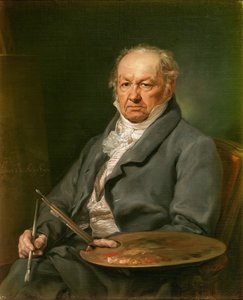
Франсіско Гоя
1746 - 1828 , Іспанія
Довідкова інформація
- Artistic Movement Or Style: Романтизм
- Artists Or Movements Influenced By This Artist:
- Едуард Мане
- Пабло Пікассо
- Artists Who Influenced This Artist:
- Антон Рафаель Ментс
- Хосе Лузан
- Date Of Birth: 30 березня 1746
- Date Of Death: 16 квітня 1828
- Full Name: Франсіско Хосе де Гоя і Лусієнтас
- Nationality: Іспанець
- Notable Artworks:
- «Розстріл захисників Мадрида»
- «Капрічіос»
- «Вбивство Сільви»
- Place Of Birth: Фуентедос, Іспанія
Схожі статті

William Owen: A Poetic Vision of War & Landscape in British Modernism
Explore the poignant war poetry of Wilfred Owen, a key figure in British Modernism. Discover his innovative style, themes of loss & camaraderie, and lasting impact on 20th-century literature. Analysis & historical context included.
Топ-10 шедеврів у відтінках чорного: мистецтво та декор з AllPaintingsStore
Відкрийте силу чорного кольору в мистецтві! Топ-10 шедеврів від Ван Гога, Мунка та інших геніїв. Історія створення, техніки живопису та натхнення для вашого декору з AllPaintingsStore. Дослідіть колекцію онлайн!

Francisco Goya: Darkness & Enlightenment – A Comprehensive Exploration of the Artist's Life, Works, and Enduring Legacy
Explore the life & works of Francisco Goya, Spain's Romantic master. Discover his evolution from court painter to a visionary chronicler of war and social injustice. A comprehensive guide for art enthusiasts.
Топ-25 шедеврів Гойї: історія мистецтва для вашого дому | AllPaintingsStore
Відкрийте 25 шедеврів Франсіско Гойї! Історія мистецтва, глибокі портрети та темні офорти іспанського романтизму. Купіть репродукції картин Гойї для вашого дому на AllPaintingsStore.com – музейна якість та бездоганний декор.

Топ-10 шедеврів живопису в чорних тонах: історія, мистецтво та декор від AllPaintingsStore
Відкрийте для себе 10 найвідоміших картин у чорних тонах! Історія, техніка та емоції від AllPaintingsStore. Романтизм, готика, експресіонізм – шедеври живопису онлайн. Купіть репродукцію мрії на AllPaintingsStore.com!


