

1926. Oil On Canvas. Art Gallery of Hamilton.

§ 1Catalogue data


Цей твір захищено авторським правом
Мистецький твір, представлений на цій сторінці, захищений законом про авторське право, що унеможливлює легальне створення або продаж його ідентичної репродукції. Цей захист забезпечується відповідно до міжнародних угод, таких як Бернська конвенція та національним законодавством, зокрема положеннями, що викладені в Законодавство США про авторське право — Розділ 17. Всі права захищені. Будь-яке використання без дозволу заборонено.
Як шанобливу та законну альтернативу, ми пропонуємо унікальні картини ручної роботи, створені натхненням від оригіналу. Наші досвідчені професійні художники ретельно вивчають стиль, настрій та художню сутність оригіналу, щоб створити новий, неповторний твір, який викликає ті ж почуття, — залишаючись при цьому самобутнім творінням.
Цей метод повністю відповідає нормам авторського права, оскільки він не передбачає копіювання чи дублювання захищеного твору мистецтва. Натомість це творче переосмислення — створення нового малюнка під впливом оригіналу, який не є його точним відтворенням.
 Читати далі
§ 2Abstract
Опис експоната
Біографія митця
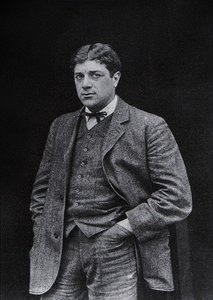
Георг Брак (1882-1963): піонер кубізму та майстер фувізму. Його новаторські картини, зокрема "Будинки в Л'Естак", відкривають світ геометричних форм та багатогранних перспектив. Відкрийте для себе мистецтво Брока!
§ 3Commentary
Georges Braque’s Nature Morte: A Fragmented Reflection of Modern Consciousness
Georges Braque’s “Nature Morte,” painted in 1926, stands as a cornerstone of Cubist exploration and a testament to the artist's profound engagement with visual perception. More than just a depiction of fruit—grapes, apples, and pears arranged within a simple bowl on a tabletop—the painting embodies the intellectual currents shaping European art at the time, reflecting a deliberate dismantling of traditional artistic conventions in favor of geometric abstraction.
- Subject Matter: The composition centers around a commonplace object – the fruit bowl – yet Braque elevates it to an arena for formal experimentation. He eschews realistic representation, prioritizing instead the conveyance of spatial relationships through interlocking planes and faceted surfaces.
- Style & Technique: Characteristic of Cubism’s Second Phase, “Nature Morte” exemplifies Analytical Cubism. This approach involves fracturing objects into multiple perspectives simultaneously, presenting them as intersecting geometric forms rather than solid masses. Braque meticulously applied oil paint with a glazing technique—thin layers of translucent color—to build up the image gradually, achieving remarkable luminosity and depth despite its apparent simplicity.
- Historical Context: Created during the height of Cubist fervor, “Nature Morte” aligns itself with the broader artistic movement’s rejection of Impressionism's focus on fleeting sensations. Artists like Picasso and Cézanne were actively questioning how we perceive reality, influenced by advancements in scientific theories concerning optics and relativity.
- Symbolism & Emotion: While seemingly devoid of overt narrative, “Nature Morte” carries subtle symbolic weight. The bowl itself represents containment and stillness—a deliberate contrast to the dynamism inherent in Cubist exploration. The fragmented forms convey a sense of disorientation and challenge viewers to reconsider their understanding of visual space.
- Emotional Impact: Despite its intellectual rigor, Braque’s painting possesses an undeniable aesthetic beauty. The harmonious interplay of color—primarily greens—creates a tranquil atmosphere that belies the underlying conceptual framework. It invites contemplation on the nature of perception and the transformative potential of artistic innovation.
As evidenced by Google Arts & Culture (Hamilton, Canada) and the National Gallery of Art (Nature Morte (Still Life) by Georges Braque, Paul Rosenberg), “Nature Morte” continues to resonate with audiences today. Its enduring appeal lies in its masterful distillation of Cubist principles—a bold assertion of artistic freedom and a pioneering contribution to the visual language of modern art.
Consider commissioning a high-quality reproduction from AllPaintingsStore.com for your home or office – bringing this iconic artwork into your space!
Питання та відповіді
Яка техніка виконання та дата створення «Nature Morte» роботи Жорж Брак?
«Nature Morte» було створено у 1926 році з використанням техніки Oil On Canvas. Матеріал та дата описують, як і коли було створено оригінал.
Чи можу я побачити «Nature Morte» роботи Жорж Брак при іншому освітленні?
«Nature Morte» можна досліджувати шар за шаром на сторінці Рентгенівське дослідження твору — це інтерактивний візуалізатор, натхненний освітлювальним столом реставратора, що пропонує одинадцять оптичних пластів зображення.
Хто створив "Nature Morte" і в якому стилі виконано цей твір?
«Nature Morte» була створена Жорж Брак у стилі Cubist Still Life. Автор та художній напрям визначають традицію цього твору.


 Перейти до друку


 Для творів мистецтва або репродукцій, розмір яких перевищує 105 см (приблизно 41 дюйм) з будь-якого боку, рама доставляється у вигляді розібраного комплекту. Такий метод гарантує безпечну доставку та запобігає пошкодженням під час транспортування.


