

1906. Oil On Canvas.

§ 1Дані каталогу


Цей твір захищено авторським правом
Мистецький твір, представлений на цій сторінці, захищений законом про авторське право, що унеможливлює легальне створення або продаж його ідентичної репродукції. Цей захист забезпечується відповідно до міжнародних угод, таких як Бернська конвенція та національним законодавством, зокрема положеннями, що викладені в Законодавство США про авторське право — Розділ 17. Всі права захищені. Будь-яке використання без дозволу заборонено.
Як шанобливу та законну альтернативу, ми пропонуємо унікальні картини ручної роботи, створені натхненням від оригіналу. Наші досвідчені професійні художники ретельно вивчають стиль, настрій та художню сутність оригіналу, щоб створити новий, неповторний твір, який викликає ті ж почуття, — залишаючись при цьому самобутнім творінням.
Цей метод повністю відповідає нормам авторського права, оскільки він не передбачає копіювання чи дублювання захищеного твору мистецтва. Натомість це творче переосмислення — створення нового малюнка під впливом оригіналу, який не є його точним відтворенням.
 Читати далі
§ 2Абстракція
Біографія митця
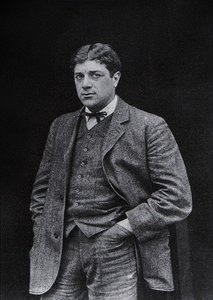
Георг Брак (1882-1963): піонер кубізму та майстер фувізму. Його новаторські картини, зокрема "Будинки в Л'Естак", відкривають світ геометричних форм та багатогранних перспектив. Відкрийте для себе мистецтво Брока!
§ 3Коментар
A Vibrant Symphony of Light and Life
In the sun-drenched landscape of 1906, Georges Braque captured a moment of pure, unadulterated vitality in his masterpiece, The Estaque. This painting serves as a breathtaking window into a bustling harbor town, where the rhythmic dance of boats upon the water meets the steady, enduring presence of the coastal architecture. As one gazes upon the canvas, the eye is immediately drawn to the lively movement within the harbor; at least twelve vessels of varying sizes drift across the shimmering surface, creating a sense of profound depth and perspective. The scene is not merely a static landscape but a living, breathing ecosystem of activity. Tiny, spirited figures populate the docks and decks, their presence adding a human pulse to the maritime setting. This delicate interplay between the vastness of the sea and the intimate details of daily life creates an atmosphere that is both expansive and deeply personal, inviting the viewer to step into this Mediterranean dream.
The emotional resonance of The Estaque lies in its ability to evoke a sense of nostalgic warmth and summer tranquility. For the art collector or interior designer, this piece offers more than just visual beauty; it provides an emotional anchor for a room. The painting radiates a certain joy—a celebration of light and leisure that can transform a modern living space into a sanctuary of calm and inspiration. There is a palpable sense of movement in the brushwork that suggests the gentle lapping of waves and the distant calls of sailors, making the artwork feel as though it is still vibrating with the energy of that summer day over a century ago.
The Dawn of Fauvism and Technical Mastery
Historically, The Estaque sits at a pivotal crossroads in the evolution of modern art. Painted during Braque's formative years, the work is a brilliant example of the Fauvist style, a movement characterized by its "wild" use of color and expressive brushstrokes. Before his later, more cerebral explorations into Cubism, Braque utilized this period to liberate color from its traditional descriptive role. In this painting, colors are not merely used to replicate reality but to amplify the emotional temperature of the scene. The vibrant hues and bold applications of paint demonstrate a technical mastery that balances spontaneous energy with structural composition.
The technique employed here is nothing short of masterful. Braque utilizes short, powerful strokes that build texture and form, allowing the light to appear as if it is dancing across the water's surface. This approach creates a tactile quality that makes a high-quality reproduction feel incredibly rich and layered. For those looking to adorn a sophisticated interior, the painting’s ability to command attention through its textural complexity and brilliant palette makes it an incomparable centerpiece. It stands as a testament to Braque's early genius—a moment where the technical precision of his craftsman heritage met the radical, expressive spirit of the avant-garde.
A Timeless Vision for the Modern Collector
Beyond its historical significance, The Estaque possesses a timeless aesthetic appeal that transcends eras. Its composition, which balances the ruggedness of the background town with the fluid grace of the foreground boats, offers a perfect harmony of structure and motion. This balance makes it an exceptionally versatile piece for various design aesthetics, from classic European elegance to contemporary minimalist settings. The painting does not merely decorate a wall; it narrates a story of light, movement, and the enduring charm of the French coast.
Investing in a reproduction of such a seminal work allows one to bring a piece of art history into the private sphere. It serves as a constant source of inspiration, reminding the observer of the beauty found in the simple, vibrant moments of existence. Whether placed in a sunlit study or a grand dining hall, The Estaque acts as a portal to a more luminous era, offering a sophisticated touch of French Impressionist and Fauvist splendor that continues to captivate the soul of every viewer.
Питання та відповіді
Чи є "The Estaque" типовим для звичного стилю Жорж Брак?
Серед відомих тем Жорж Брак, як і в cézanne's influence, fauvist color exploration, early modernism development, pre-cubist transition, southern france landscape, у творі «The Estaque» особливий акцент зроблено на boats, people, harbor, water, town, landscape.
Як поєднуються техніка та стиль у "The Estaque"?
«The Estaque» роботи Жорж Брак поєднує в собі техніку Oil On Canvas зі стилем Fauvism. Техніка та художній напрям визначають спосіб створення та стилістику твору.
Хто створив "The Estaque" і в якому році?
Автором «The Estaque» є Жорж Брак, а дата створення твору — 1906.


 Перейти до друку


 Для творів мистецтва або репродукцій, розмір яких перевищує 105 см (приблизно 41 дюйм) з будь-якого боку, рама доставляється у вигляді розібраного комплекту. Такий метод гарантує безпечну доставку та запобігає пошкодженням під час транспортування.


