

1925. Олія на полотні, 130.0 x 74.0 cm.

§ 1Дані каталогу

- 130.0 x 74.0 cm


Цей твір захищено авторським правом
Мистецький твір, представлений на цій сторінці, захищений законом про авторське право, що унеможливлює легальне створення або продаж його ідентичної репродукції. Цей захист забезпечується відповідно до міжнародних угод, таких як Бернська конвенція та національним законодавством, зокрема положеннями, що викладені в Законодавство США про авторське право — Розділ 17. Всі права захищені. Будь-яке використання без дозволу заборонено.
Як шанобливу та законну альтернативу, ми пропонуємо унікальні картини ручної роботи, створені натхненням від оригіналу. Наші досвідчені професійні художники ретельно вивчають стиль, настрій та художню сутність оригіналу, щоб створити новий, неповторний твір, який викликає ті ж почуття, — залишаючись при цьому самобутнім творінням.
Цей метод повністю відповідає нормам авторського права, оскільки він не передбачає копіювання чи дублювання захищеного твору мистецтва. Натомість це творче переосмислення — створення нового малюнка під впливом оригіналу, який не є його точним відтворенням.
 Читати далі
§ 2Абстракція
Опис експоната
Біографія митця
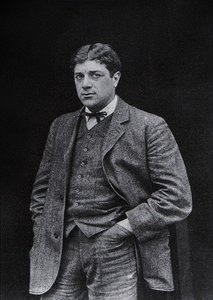
Георг Брак (1882-1963): піонер кубізму та майстер фувізму. Його новаторські картини, зокрема "Будинки в Л'Естак", відкривають світ геометричних форм та багатогранних перспектив. Відкрийте для себе мистецтво Брока!
§ 3Коментар
A Fragmented World: Georges Braque’s “The Mantelpiece”
Georges Braque's "The Mantelpiece," painted in 1925 during his pivotal period of Cubist exploration, isn’t merely a still life; it’s a carefully constructed puzzle of perception. Measuring a substantial 130 x 74 cm, the canvas explodes with a controlled chaos – a deliberate dismantling of traditional representation to reveal the underlying structure of objects and space. This work, housed within the Museo Nacional Centro de Arte Reina Sofía in Madrid, stands as a testament to Braque’s radical departure from the established norms of late nineteenth-century art, solidifying his role as one of the movement's founding fathers alongside Pablo Picasso.
At first glance, the scene appears familiar: a guitar dominates the composition, its form fractured and presented from multiple viewpoints simultaneously. Surrounding it are an assortment of everyday objects – apples gleaming with reflected light, oranges radiating warmth, bananas hinting at ripeness, bowls overflowing with their contents, and bottles adding verticality to the arrangement. However, these aren’t rendered as unified, cohesive forms; instead, they're broken down into geometric planes, overlapping and intersecting in a dynamic interplay of angles and perspectives. Braque masterfully employs a muted palette – ochres, browns, and greys – which further emphasizes the textural qualities of the materials depicted, inviting close inspection and encouraging the viewer to actively piece together the image.
The Language of Cubism
“The Mantelpiece” is deeply rooted in the principles of Synthetic Cubism, a phase that saw Braque moving away from the purely analytical deconstruction of his earlier work. Here, he introduces brighter colors and more recognizable objects, albeit still presented in a fragmented manner. The key to understanding this piece lies in recognizing Braque’s deliberate manipulation of perspective. He doesn't offer a single, fixed viewpoint but instead presents multiple simultaneous perspectives, as if the viewer were stepping through a three-dimensional space. This technique, combined with the use of geometric shapes – cubes, cones, and cylinders – creates a sense of visual tension and dynamism, pulling the eye across the canvas in a continuous, almost restless, exploration.
The influence of Juan Gris’s “Guitar with Inlays,” another significant Cubist work from 1925, is palpable. While both artists explored similar themes – musical instruments and domestic objects – Gris often employed a more structured and geometric approach, whereas Braque's composition feels slightly looser and more evocative. Both works, however, demonstrate the core tenets of Synthetic Cubism: an interest in exploring form and space through abstraction, and a rejection of traditional illusionistic representation.
Symbolic Resonance and Emotional Impact
Beyond its purely formal qualities, “The Mantelpiece” carries a subtle symbolic weight. The guitar, a recurring motif in Braque’s work, can be interpreted as representing creativity, passion, or even the act of artistic creation itself. The fruits – symbols of abundance and nourishment – suggest a connection to everyday life and domesticity. The arrangement, with its overlapping planes and fragmented forms, mirrors the complexities of modern experience—a world increasingly fractured by industrialization and social change.
Despite its intellectual rigor, “The Mantelpiece” isn’t an emotionally cold or detached work. The careful attention to texture, the warm tones, and the intriguing arrangement all contribute to a sense of visual pleasure and quiet contemplation. It invites us to slow down, to observe closely, and to engage with the image on a deeply intuitive level. It's a piece that rewards repeated viewing, revealing new nuances and connections with each encounter.
Bringing “The Mantelpiece” Home
AllPaintingsStore.com offers meticulously crafted, hand-painted reproductions of Georges Braque’s “The Mantelpiece,” allowing you to experience the power and beauty of this seminal Cubist masterpiece in your own space. Our artisans employ traditional oil painting techniques and utilize only the finest archival materials, ensuring that each reproduction faithfully captures the original's intricate details and vibrant colors. Whether you are an art enthusiast, a collector seeking to expand your collection, or an interior designer looking for a striking focal point, a AllPaintingsStore.com reproduction of “The Mantelpiece” is a timeless investment in artistic excellence. Explore our selection at https://AllPaintingsStore.com and bring the fragmented world of Georges Braque into your home.
Питання та відповіді
У якому році та до якого напряму належить твір "The Mantelpiece"?
«The Mantelpiece» роботи Жорж Брак датований 1925 роком і належить до Cubist Style.
Яке історичне місце посідає «The Mantelpiece»?
Історично «The Mantelpiece» є твором у стилі Cubist Style, що належить до ширшої епохи — Раннє Середньовіччя.
Яка насиченість кольорів у «The Mantelpiece» роботи Жорж Брак?
Кольори твору «The Mantelpiece» роботи Жорж Брак мають Приглушений насиченість. Насиченість визначає, наскільки яскравими або приглушеними є кольори.


 Перейти до друку


 Для творів мистецтва або репродукцій, розмір яких перевищує 105 см (приблизно 41 дюйм) з будь-якого боку, рама доставляється у вигляді розібраного комплекту. Такий метод гарантує безпечну доставку та запобігає пошкодженням під час транспортування.


