

Олія на полотні.

§ 1Catalogue data


Цей твір захищено авторським правом
Мистецький твір, представлений на цій сторінці, захищений законом про авторське право, що унеможливлює легальне створення або продаж його ідентичної репродукції. Цей захист забезпечується відповідно до міжнародних угод, таких як Бернська конвенція та національним законодавством, зокрема положеннями, що викладені в Законодавство США про авторське право — Розділ 17. Всі права захищені. Будь-яке використання без дозволу заборонено.
Як шанобливу та законну альтернативу, ми пропонуємо унікальні картини ручної роботи, створені натхненням від оригіналу. Наші досвідчені професійні художники ретельно вивчають стиль, настрій та художню сутність оригіналу, щоб створити новий, неповторний твір, який викликає ті ж почуття, — залишаючись при цьому самобутнім творінням.
Цей метод повністю відповідає нормам авторського права, оскільки він не передбачає копіювання чи дублювання захищеного твору мистецтва. Натомість це творче переосмислення — створення нового малюнка під впливом оригіналу, який не є його точним відтворенням.
 Читати далі
§ 2Abstract
Опис експоната
Explore Georges Braque’s ‘untitled (9051)’ – a Cubist still life featuring a jar of water & fish. Discover fragmented forms, bold colors & layered textures in this unique oil on canvas.
Біографія митця
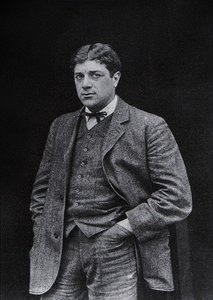
Георг Брак (1882-1963): піонер кубізму та майстер фувізму. Його новаторські картини, зокрема "Будинки в Л'Естак", відкривають світ геометричних форм та багатогранних перспектив. Відкрийте для себе мистецтво Брока!
§ 3Commentary
A Cubist Still Life: Deconstructing Form and Perception
This captivating work by Georges Braque presents a compelling example of his pivotal role in the development of Cubism. While titled simply “untitled (9051),” this piece is far from lacking in depth or meaning; it’s a masterful exploration of form, space, and perception through the lens of a traditional still life subject – a ceramic jar containing a fish.Subject & Composition
The composition centers around a substantial, bulbous ceramic jar, dominating the canvas and immediately drawing the viewer's eye. Within this vessel resides a fish, rendered in shades of deep blue and brown, suggesting both life and its containment. Braque doesn’t present these objects realistically; instead, he *deconstructs* them. The forms are fragmented into geometric shapes – circles, squares, and triangles – overlapping and interpenetrating to create a dynamic visual experience. This deliberate fracturing challenges traditional notions of representation, forcing the viewer to actively participate in reconstructing the image.Style & Technique
The artwork is unequivocally Cubist in style, showcasing Braque’s signature approach alongside Pablo Picasso during this revolutionary period. Oil on canvas is the likely medium, evidenced by the visible brushstrokes and skillful blending of paint. The layering technique creates a textured surface, adding another dimension to the work. Lines are bold and assertive, defining shapes and edges with precision. The color palette, while restrained – primarily muted grey-browns contrasted with brighter tones in the jar and fish – is used expressively to delineate planes and create depth.Historical Context & Braque’s Innovation
Georges Braque (1882-1963) was a French painter, collagist, and sculptor who, alongside Picasso, fundamentally altered the course of 20th-century art. Emerging from Fauvism's vibrant color explorations, Braque moved towards a more intellectual and analytical approach to painting. He and Picasso collaboratively developed Cubism around 1907, rejecting traditional perspective in favor of representing objects from multiple viewpoints simultaneously. This work exemplifies that shift – it’s not about *seeing* the jar and fish as they appear, but rather understanding their essential forms and spatial relationships through a new visual language.Symbolism & Emotional Impact
While largely abstract, subtle symbolic elements can be discerned. The fish, often associated with vitality and abundance, is presented within the confines of the jar – perhaps suggesting fragility or the limitations imposed upon life. The jar itself could symbolize containment, transformation, or even the artist’s own creative process. However, Braque's Cubism isn’t primarily about explicit symbolism; it’s more concerned with exploring the very *act* of seeing and representing. The overall emotional impact is one of intellectual stimulation and visual intrigue. It invites contemplation on the nature of reality and the possibilities of artistic expression.For Collectors & Designers
This piece, or a high-quality reproduction, would be a striking addition to any collection focused on modern art. Its geometric forms and muted palette lend themselves well to contemporary interiors, adding a sophisticated touch without overwhelming the space. The artwork’s intellectual rigor and aesthetic appeal make it a conversation starter and a testament to Braque's enduring legacy. It is a piece that rewards close viewing and continued engagement, offering new insights with each encounter.Питання та відповіді
Як мені знайти твори мистецтва, схожі на «untitled (9051)» роботи Жорж Брак?
Схожі роботи до «untitled (9051)» можна знайти на сторінці Схожі твори цього твору.
Чи можу я детальніше розглянути "untitled (9051)"?
«untitled (9051)» можна досліджувати шар за шаром на сторінці Рентгенівське дослідження твору — це інтерактивний візуалізатор, натхненний освітлювальним столом реставратора, що пропонує одинадцять оптичних пластів зображення.
Де я можу переглянути попередній перегляд "untitled (9051)"?
Щоб переглянути репродукцію «untitled (9051)» роботи Жорж Брак, відкрийте сторінку попереднього перегляду Перегляд у інтер'єрі цього твору.


 Перейти до друку


 Для творів мистецтва або репродукцій, розмір яких перевищує 105 см (приблизно 41 дюйм) з будь-якого боку, рама доставляється у вигляді розібраного комплекту. Такий метод гарантує безпечну доставку та запобігає пошкодженням під час транспортування.


