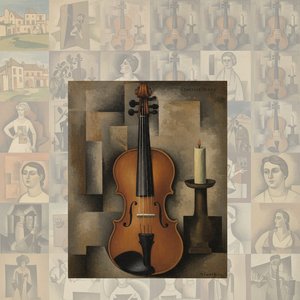
Acrylic.

§ 1Catalogue data

Цей твір захищено авторським правом
Мистецький твір, представлений на цій сторінці, захищений законом про авторське право, що унеможливлює легальне створення або продаж його ідентичної репродукції. Цей захист забезпечується відповідно до міжнародних угод, таких як Бернська конвенція та національним законодавством, зокрема положеннями, що викладені в Законодавство США про авторське право — Розділ 17. Всі права захищені. Будь-яке використання без дозволу заборонено.
Як шанобливу та законну альтернативу, ми пропонуємо унікальні картини ручної роботи, створені натхненням від оригіналу. Наші досвідчені професійні художники ретельно вивчають стиль, настрій та художню сутність оригіналу, щоб створити новий, неповторний твір, який викликає ті ж почуття, — залишаючись при цьому самобутнім творінням.
Цей метод повністю відповідає нормам авторського права, оскільки він не передбачає копіювання чи дублювання захищеного твору мистецтва. Натомість це творче переосмислення — створення нового малюнка під впливом оригіналу, який не є його точним відтворенням.
 Читати далі
§ 2Abstract
Опис експоната
Georges Braque’s Cubist masterpiece captures the elegance of flight against a tranquil ocean backdrop. This stylized bird painting exemplifies early 20th-century artistic innovation and invites you to explore the beauty of modern art.
Біографія митця
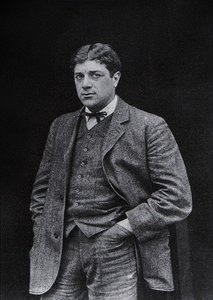
Георг Брак (1882-1963): піонер кубізму та майстер фувізму. Його новаторські картини, зокрема "Будинки в Л'Естак", відкривають світ геометричних форм та багатогранних перспектив. Відкрийте для себе мистецтво Брока!
§ 3Commentary
Georges Braque’s “Verni Bird”: A Fragment of Cubist Vision
- The painting "Verni Bird," executed by Georges Braque, stands as a testament to the transformative power of Cubism—a movement that irrevocably altered the course of artistic history. Created sometime between 1906 and 1907, this deceptively simple composition encapsulates the core tenets of Picasso’s and Braque's groundbreaking experimentation with perspective and representation.
- Subject Matter & Composition: At its heart lies a stylized depiction of a bird in flight. Rather than striving for realistic portrayal, Braque employs geometric forms—primarily planes intersecting at sharp angles—to convey the essence of movement and volume. The bird’s wings dominate the canvas, rendered as fragmented planes that simultaneously suggest both frontal and lateral views.
- Cubist Technique: Braque's masterful technique exemplifies the principles of Cubism. He utilizes a palette dominated by muted earthy tones—ochre, umber, and terracotta—creating an atmosphere of quiet contemplation. The artist meticulously builds up texture through layering thin washes of pigment, subtly hinting at the materiality of the bird’s plumage.
- Historical Context: “Verni Bird” emerged during a pivotal period in artistic innovation. Following Impressionism's focus on capturing fleeting moments of light and color, Cubists sought to dismantle illusionistic space and explore alternative ways of perceiving reality. Influenced by Cézanne’s explorations of sculptural form and African art’s expressive simplification, Braque and Picasso pushed the boundaries of artistic convention.
- Symbolism & Emotional Resonance: While seemingly devoid of overt narrative content, “Verni Bird” resonates with profound symbolic significance. The bird itself represents freedom, aspiration, and transcendence—themes central to the humanist spirit of the era. Its upward trajectory embodies a yearning for progress and beauty, capturing an intangible emotion that transcends mere visual representation.
Exploring Braque’s Geometric Approach
Braque's decision to fragment form wasn’t merely stylistic; it was driven by a deeper philosophical inquiry into the nature of perception. He believed that objects could be understood not as single entities but as composite structures viewed from multiple viewpoints simultaneously. This conceptual breakthrough mirrored broader intellectual currents of the time, reflecting anxieties about traditional notions of representation and embracing new ways of engaging with visual experience.The Influence of Cézanne & African Art
The artist’s vision was undeniably shaped by two seminal influences: Cézanne's groundbreaking explorations of sculptural form and the expressive simplification characteristic of African tribal art. Cézanne’s insistence on depicting objects as they exist in three dimensions—rather than flattening them onto a canvas—provided Braque with a crucial precedent for dismantling illusionistic space. Similarly, African sculptures captivated artists with their bold geometric shapes and stylized figures, inspiring Braque to adopt a similar aesthetic strategy.A Reproduction That Captures Essence
AllPaintingsStore’s meticulous reproductions faithfully capture the subtle nuances of Braque's original painting. Utilizing archival pigments and printing methods, our artisans ensure that every detail—from the delicate texture of the bird’s feathers to the muted tonal palette—is reproduced with exceptional accuracy. This allows collectors and interior designers alike to experience the beauty and intellectual depth of “Verni Bird” in a stunningly realistic format.Питання та відповіді
Чи є "Verni bird" типовим для звичного стилю Жорж Брак?
Серед відомих тем Жорж Брак, як і в picasso influence, modern art vision, geometric exploration, formal composition, cubist legacy, у творі «Verni bird» особливий акцент зроблено на bird flight, abstraction, coastal scene, geometric form, watercolor technique, cubist style, marine landscape.
Які псевдоніми або інші імена має Жорж Брак?
Інші відомі імена Жорж Брак, автора твору "Verni bird", включають Georges Braque.
Який розмір друку "Verni bird" обрати для моєї кімнати?
Для Living Room рекомендований розмір друку для «Verni bird» роботи Жорж Брак становить Large.


 Перейти до друку


 Для творів мистецтва або репродукцій, розмір яких перевищує 105 см (приблизно 41 дюйм) з будь-якого боку, рама доставляється у вигляді розібраного комплекту. Такий метод гарантує безпечну доставку та запобігає пошкодженням під час транспортування.