


 Переглянути в інтер'єрі
 Надіслати як листівку
 Поділитися
 Деталі витвору
 Посібник

 Завантажити
 Схожі екземпляри
 Рентгенівське дослідження
 Слайд-шоу
 Статистика
Cripples

 Розгорнути текст
Гікле / Художній принт
Друк جيкле або на полотні музейної якості з оперативним виготовленням та різноманітними варіантами фінішної обробки. ( Замовити картину ручної роботи Перейти до цифрових зображень)




































Обирайте з наших стандартних розмірів, що відповідають оригінальним пропорціям твору мистецтва.

Введіть необхідну ширину та висоту, щоб принт ідеально підійшов до вашої рами або стіни. Принт можна лише обрізати, але не можна зробити більшим за оригінал, тому при зміні пропорцій частина зображення буде втрачена. Перед друком ми надсилаємо вам цифровий макет для затвердження. Зображення на цій сторінці не відображає реальну обрізку — її можна побачити лише на макеті.
Доставка по всьому світу () за 2 тижні замість стандартних 4/5 тижнів. (27 Жовтень)

Безкоштовна експрес-доставка по всьому світу

Високоякісне лляне полотно

Повне страхове покриття доставки

Гарантія повернення митних зборів

Гарантія точного відтворення кольорів

Політика повернення протягом 100 днів (лише у разі виявлення дефектів)

Гарантія повернення 100% коштів

Пропозиція на оптові замовлення
 Скляний варіант доступний лише для розмірів до 110 см

Cripples
Гікле / Художній принт
Розмір репродукції
-


Підсумкова вартість
₴ 2868
A Vision of Suffering and Divine Judgment
Hieronymus Bosch’s “Cripples” stands as a chilling testament to the anxieties of the Northern Renaissance, capturing not merely physical deformity but a profound psychological unease. Painted around 1500, this enigmatic triptych—a monumental work measuring approximately 31.4 × 21 cm (12.3 × 8.3 inches)—immediately confronts the viewer with an unsettling panorama of grotesque figures engaged in bizarre activities within a meticulously crafted architectural setting.
Bosch’s artistic genius resided in his ability to fuse religious allegory with fantastical imagery, creating scenes that simultaneously depict earthly suffering and foreshadow divine retribution. The composition is dominated by rows of crippled individuals—men, women, and children—each bearing visible signs of injury or disability. These figures are not merely presented as victims of misfortune; they embody a broader critique of human weakness and vulnerability in the face of God’s judgment.
Technical Mastery: Line and Texture
The painting's remarkable detail is achieved through masterful draughtsmanship utilizing ink and pen on paper—a technique characteristic of Bosch’s workshop. Lines are employed with astonishing precision, establishing a grid-like structure that lends order to the chaotic scene while simultaneously emphasizing the contours of each figure. Crosshatching creates rich textures, conveying the roughness of clothing and skin, adding depth and visual interest.
Bosch's meticulous attention to detail extends beyond mere representation; it serves as a conduit for conveying emotion. The muted palette—primarily browns, ochres, and blacks—contributes to an atmosphere of gloom and despair. Light is diffused, lacking any dramatic highlights, reinforcing the painting’s solemn mood.
Symbolism and Interpretation
“Cripples” overflows with symbolic references rooted in medieval Christian thought. The crippled figures represent humanity's fallen state—burdened by sin and destined for eternal punishment. Their postures convey helplessness and despair, mirroring the theological concept of purgatory—a realm of purification where souls endure torment before entering heaven.
Furthermore, Bosch’s depiction of fantastical creatures—winged demons, grotesque animals—underscores the pervasive influence of folklore and superstition during his time. These elements serve as reminders that earthly existence is fraught with peril and that salvation requires unwavering faith. The painting's unsettling imagery continues to fascinate scholars and artists alike, prompting ongoing debate about its precise meaning and enduring legacy.
A Legacy of Horror
“Cripples” remains one of Bosch’s most arresting works—a haunting portrayal of human suffering and divine judgment that transcends its historical context. Its meticulous technique, combined with its profound symbolic content, secures its place as a cornerstone of Northern Renaissance art and a timeless exploration of the darker recesses of the human psyche.
Питання та відповіді
Як сюжет твору "Cripples" перегукується із звичними темами Ієронім Босх?
Серед відомих тем Ієронім Босх, як і в religious narrative, gothic style, symbolism, medieval folklore, anatomical detail, у творі «Cripples» особливий акцент зроблено на medieval, disability, symbolism, surrealism, religious allegory, detail, line drawing.
Які емоції викликає "Cripples"?
Емоційний тон, зафіксований для «Cripples» роботи Ієронім Босх, — Mysterious. Він узагальнює почуття, які виражає цей твір.
Наскільки популярним є твір «Cripples» у межах Northern Renaissance?
«Cripples» має рівень популярності Iconic серед творів у стилі Northern Renaissance, представлених у каталозі.
Схожі твори мистецтва


Біографія митця
A Netherlandish Enigma: The Life and Art of Hieronymus Bosch
Born around 1450 in the vibrant, bustling town of ’s-Hertogenbosch in the Netherlands—then part of Brabant—Hieronymus Bosch, originally Jheronimus van Aken, remains one of art history’s most compelling and mysterious figures. His world was steeped in late medieval religious fervor, folklore, and a growing sense of societal unease, all of which would profoundly shape his uniquely unsettling artistic vision. Coming from a family with a long tradition of painting—his grandfather, Jan van Aken, and father, Anthonius van Aken, were both artists—Bosch likely received his earliest training within the family workshop, absorbing the techniques and conventions of Netherlandish painting. However, even in his formative years, he began to diverge from established norms, hinting at the extraordinary imagination that would define his career. Biographical details are frustratingly scarce; records are fragmented, leaving much open to speculation and interpretation, adding to the aura of mystique surrounding both the man and his work. He married Aleyt Goyaerts van den Meerveen sometime before 1481, a union that provided him with some financial security through her family’s holdings, but little else is known about their personal life.Fantastical Visions and Symbolic Depths
Bosch's artistic style is instantly recognizable—a captivating blend of meticulous detail and wildly imaginative imagery. He primarily worked with oil on oak panels, demonstrating a masterful command of the medium, achieving luminous colors and intricate textures. While his early works show influences from traditional Netherlandish painting, particularly in their realism and attention to detail, he quickly moved beyond mere imitation, developing a profoundly original vision. His paintings are not simply representations of reality; they are allegorical landscapes populated by bizarre creatures, hybrid beings, and unsettling scenes that seem plucked from dreams—or nightmares. Religious themes form the core of much of his work, but these are rarely straightforward depictions of biblical stories. Instead, Bosch uses symbolism to explore complex moral and theological concepts, often focusing on the dangers of sin, the fragility of earthly pleasures, and the inevitability of divine judgment. His creatures—grotesque demons, fantastical animals, and strangely human figures—are not merely decorative elements; they are embodiments of vice, temptation, and spiritual corruption. The blending of the sacred and the profane, the beautiful and the grotesque, creates a uniquely unsettling effect that continues to captivate viewers centuries later.Masterpieces of Moral Allegory
Among Bosch’s most celebrated achievements is The Garden of Earthly Delights (c. 1490-1510), a triptych that remains one of the most enigmatic and debated works in art history. When opened, it presents a panoramic vision of paradise, earthly life, and hell—a complex allegorical representation of humanity’s fall from grace. The left panel depicts the Garden of Eden, teeming with fantastical creatures and lush vegetation; the central panel portrays a world consumed by sensual pleasure and unrestrained desire; and the right panel offers a terrifying glimpse into the torments of hell. The Triptych of the Last Judgement (c. 1480-1490) is another powerful example of his skill in portraying both heavenly bliss and infernal torment, while The Ascent of the Blessed (c. 1480-1490) demonstrates his ability to create ethereal and dreamlike scenes. Even smaller works like Epiphany (c. 1495) showcase his innovative use of oil on wood and complex symbolism, revealing a mind constantly grappling with profound questions about faith, morality, and the human condition.Influences and Artistic Techniques
Identifying Bosch’s direct influences is a challenging task, given the originality of his vision. Scholars suggest possible connections to medieval folklore, religious texts—particularly those emphasizing apocalyptic themes—and the prevailing anxieties of the time, including fears of heresy and social upheaval. However, it's clear that he synthesized these elements into something entirely new and uniquely his own. His use of oil paint allowed for incredible detail and luminosity, while his meticulous rendering of textures and patterns created a sense of both realism and unreality. Bosch’s compositions are often complex and layered, with multiple levels of meaning and symbolism. He frequently employed perspective techniques to create the illusion of depth and space, drawing viewers into his fantastical worlds. The recurring motifs in his work—such as animals, fruits, and musical instruments—carry symbolic weight, adding layers of interpretation to his narratives.Legacy and Enduring Influence
Bosch’s art continues to fascinate and provoke debate centuries after its creation. He is considered a pioneer of surrealism, anticipating many of the themes and techniques that would later be explored by artists such as Salvador Dalí and Max Ernst. His unsettling visions have resonated with audiences for generations, prompting questions about morality, faith, and the nature of human existence. The Prado Museum in Madrid houses some of his most famous works, attracting visitors from around the world who come to marvel at his extraordinary imagination and technical skill. Hieronymus Bosch remains a towering figure in art history—a master of symbolism, a visionary artist, and an enduring enigma whose work continues to challenge and inspire us today. His paintings offer valuable insights into the religious, social, and psychological climate of the late 15th and early 16th centuries, challenging conventional norms and paving the way for new forms of artistic expression.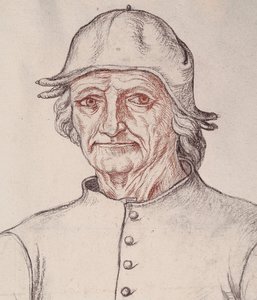
Ієронім Босх
1450 - 1516 , Нідерланди
Короткі факти
- Artistic Movement Or Style: Сюрреалізм, Символізм
- Artists Or Movements Influenced By This Artist:
- Пітер Брюггель Старший
- Сюрреалізм
- Date Of Birth: c. 1450
- Date Of Death: 1516
- Full Name: Hieronymus Bosch
- Nationality: Нідерландський
- Notable Artworks:
- Сад земних задоволень
- Останній Суд
- Сім гріхів
- Place Of Birth: Делфт, Нідерланди
Пов'язані статті

High Medieval Art: 10 Masterpieces That Shaped an Era | AllPaintingsStore
Journey through High Medieval Art! Explore 10 iconic masterpieces – from Giotto's frescoes to stunning Gothic cathedrals. Discover the stories behind these timeless paintings, sculptures & illuminated manuscripts. Find museum-quality art reproductions at AllPaintingsStore.com.

Hieronymus Bosch: Decoding the Visions of a Netherlandish Master
Explore the captivating world of Hieronymus Bosch! Delve into the symbolism, religious context, and artistic innovation of this Netherlandish master with AllPaintingsStore's expert analysis. Discover his iconic paintings & lasting influence.
Northern Mannerism: The Dramatic Evolution of Renaissance Art and the Mastery of Elegant Distortion
Explore the dramatic evolution of Northern Mannerism. Discover how masters like Bosch and Grünewald transitioned from Renaissance harmony to profound, elegant distortion through an expert analysis of symbolism, emotional intensity, and artistic innovation.

The Northern Renaissance: A Flourishing of Realism, Religious Reform & Artistic Innovation
Explore the Northern Renaissance! Discover Jan van Eyck's innovations, religious shifts, & key artists of this influential period. Expert analysis and insights into Early Netherlandish painting at AllPaintingsStore.
Топ-25 шедеврів Єроніма Босха: мистецтво, символізм та декор для вашого дому
Відкрийте для себе 25 шедеврів Єроніма Босха! Дослідіть символізм, містику та унікальний стиль нідерландського живопису. Купуйте високоякісні репродукції картин онлайн на AllPaintingsStore.com – декор стін з історією.


