Гарантія повернення коштів протягом 100 днів Безкоштовна доставка по всьому світу
449 587витвори мистецтва 30 613художники 4 660музеї 32мови
Валюта
    Мова
      Ательє · Засн. 2015 · Париж, Франція
      AllPaintingsStore
      allpaintingsstore.com
      Catalogue entry

      Die Valley Farm

      1835. Oil On Canvas, 147.0 x 125.0 cm.

      Fig. 1. Констабль, Die Valley Farm, 1835. Shown as the reproduction you are specifying: , .

      § 1Catalogue data

      § 2Abstract

      Опис експоната

      Біографія митця

      Джон Констебл – видатний британський художник-пейзажист, що революціонізував жанр! Його емоційні картини з мальовничих краєвидів Саффока захоплюють дух. Відкрийте для себе шедеври!

      § 3Commentary

      Die Valley Farm: A Symphony of Light and Landscape

      John Constable’s “Die Valley Farm,” completed in 1835, stands as an enduring testament to the Romantic spirit—a celebration of rural England imbued with profound emotion and meticulous observation. More than just a depiction of a picturesque farmstead beside a river, it's a carefully crafted meditation on beauty, tranquility, and the sublime power of nature.

      • Subject Matter: The artwork captures a quintessential English countryside scene—a farmhouse nestled amongst rolling hills and traversed by a tranquil stream. Constable’s gaze is firmly fixed upon capturing the everyday rhythms of rural life, portraying figures engaged in simple activities like rowing boats and tending livestock.
      • Style & Context: “Die Valley Farm” squarely belongs to the Romantic movement, reacting against Enlightenment rationalism with an emphasis on feeling and imagination. Constable’s artistic vision aligns perfectly with this aesthetic, prioritizing emotional resonance over precise representation—a hallmark of his era.
      • Technique: Executed in oil paint on canvas, Constable employed a technique characterized by visible brushstrokes and layered application of color. This approach wasn't merely stylistic; it served to convey the materiality of the landscape itself, mirroring the textures of foliage and stone with remarkable accuracy.

      Constable’s masterful use of atmospheric perspective—the gradual softening of distant elements—creates an illusion of depth that draws the viewer into the scene. The artist skillfully manipulated light and shadow to evoke a sense of mood, mirroring the subtle shifts in weather conditions observed throughout the day. Notice how the diffused sunlight illuminates the farmhouse façade and casts gentle shadows across the riverbank, fostering a feeling of serenity.

      • Composition: The triangular composition anchors itself on the house, directing the eye upwards towards the expansive sky filled with billowing clouds—a deliberate choice reflecting Romantic ideals of grandeur and awe. The placement of figures adds dynamism to the scene, guiding the viewer’s gaze across the landscape.
      • Color Palette & Symbolism: Constable's palette leans heavily into earthy tones – greens and browns dominate the hillside – punctuated by brighter hues in the sky and house. These colors aren’t arbitrary; they contribute to the artwork’s symbolic significance, representing fertility, stability, and spiritual contemplation.

      Ultimately, “Die Valley Farm” transcends mere visual representation. It communicates a deep appreciation for the natural world and an understanding of its capacity to inspire emotion. Constable's legacy rests on his ability to translate these sensations onto canvas—creating artworks that continue to captivate audiences centuries later.

      Питання та відповіді

      Для якого призначення та в якому інтер'єрі рекомендується розміщувати «Die Valley Farm» роботи Констабль?

      Рекомендоване використання (Accent) та розміщення у (Living Room) — це дві поради для «Die Valley Farm» роботи Констабль.

      Як у «Die Valley Farm» роботи Констабль поєднуються художній стиль та епоха?

      У «Die Valley Farm» роботи Констабль стилістика Romantic Landscape Painting поєднується з епохою — XIX століття.

      Яку палітру та які емоції поєднує в собі "Die Valley Farm"?

      Палітра Earthy у творі «Die Valley Farm» роботи Констабль гармонійно поєднується з його Calm емоційним настроєм. Колір — це один із способів, за допомогою якого витвір передає почуття.
      § 4The artist

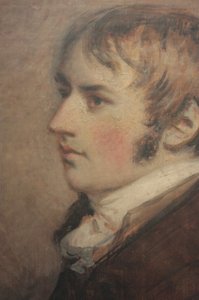
      Констабль

      Констабль

      1776 - 1837, Великобританія

      Quick facts about Констабль

      • Artistic Movement Or Style: Романтизм
      • Artists Or Movements Influenced By This Artist: ['Barbizon School']
      • Artists Who Influenced This Artist:
        • Claude Lorrain
        • Ruisdael
      • Date Of Birth: 11 червня 1776
      • Date Of Death: 31 березня 1837
      • Full Name: John Constable
      • Nationality: Британський
      • Notable Artworks:
        • The Hay Wain
        • Salisbury Cathedral
        • Hadleigh Castle
      • Place Of Birth: East Bergholt, UK

      Біографія митця

      A Life Rooted in the English Landscape

      John Constable, born in 1776 in the idyllic Suffolk village of East Bergholt, wasn’t merely a painter of landscapes; he was a poet of the land, translating its subtle moods and enduring beauty onto canvas with an unprecedented emotional depth. His father, a prosperous corn merchant who owned both Dedham Vale and mills along the River Stour, provided not only financial security but also the very subject matter that would define Constable’s artistic life. This early immersion in the rural world – the slow rhythm of agricultural life, the ever-changing light on fields and water, the intimate details of nature – became indelibly etched into his sensibility. While initially destined to follow his father into business, a burgeoning passion for art, nurtured by local patrons like George Beaumont who introduced him to the works of Claude Lorrain, ultimately steered him toward a different path. Constable’s artistic journey wasn’t immediate; it was a gradual unfolding, shaped by careful observation and a persistent desire to capture not just *what* he saw, but *how* it felt to be present within the landscape.

      Breaking with Convention: A New Vision of Nature

      Constable’s artistic development was marked by a deliberate rejection of prevailing academic conventions. Dissatisfied with the idealized and often theatrical landscapes favored by the Royal Academy, he sought instead a truthful representation of nature, imbued with personal feeling. He wasn't interested in grand historical narratives or mythological scenes; his focus remained steadfastly on the familiar countryside surrounding him. This commitment to depicting ordinary subjects – hay wains, farm buildings, village life – was initially met with resistance from critics who deemed his work too commonplace and lacking in ambition. However, Constable persevered, driven by a conviction that beauty resided in the everyday. He pioneered a technique of *plein air* painting, venturing outdoors to directly observe and capture the fleeting effects of light and weather. This direct engagement with nature allowed him to infuse his canvases with an immediacy and vitality previously unseen in British landscape art. His brushwork became increasingly loose and expressive, employing impasto – thick layers of paint – to create texture and convey a sense of movement and atmosphere. He wasn’t simply recording what he saw; he was translating his emotional response to the land into visual form.

      Iconic Works and Lasting Influence

      Constable's most celebrated works stand as testaments to his unique vision. The Hay Wain (1821), perhaps his most recognizable painting, depicts a quintessential rural scene on the River Stour, capturing the tranquility and harmony of agricultural life. Hadleigh Castle (1829) showcases his dramatic use of light and atmospheric effects, transforming a crumbling ruin into a powerful symbol of time’s passage. The series of paintings depicting Salisbury Cathedral from the Meadows (1831) demonstrates his ability to evoke different moods and times of day, revealing the cathedral as an integral part of the natural landscape. Netley Abbey (1824), with its evocative depiction of architectural grandeur amidst encroaching nature, exemplifies his skill in blending human creation with the wild beauty of the countryside. Despite facing initial struggles for recognition in England, Constable achieved considerable acclaim in France, where his innovative techniques and emotional depth resonated deeply with artists seeking a more naturalistic approach to landscape painting. He profoundly influenced the Barbizon School, a group of French painters who shared his commitment to *plein air* painting and direct observation of nature.

      Personal Life & Final Years

      Constable’s personal life was marked by both joy and sorrow. He married Maria Bicknell in 1816, and they had seven children, though sadly several did not survive infancy. His marriage provided him with emotional support but also financial strain. Elected a Royal Academician in 1829, he continued to face criticism from some quarters, particularly regarding his unconventional techniques. His later years were shadowed by Maria’s declining health and eventual death in 1828, an event that deeply affected him. Despite these hardships, Constable remained dedicated to his art, continuing to paint until his own passing on March 31, 1837. He left behind a rich artistic legacy—a testament to his unwavering commitment to capturing the beauty and emotional resonance of the English countryside. His paintings remain powerful evocations of a bygone era, inviting viewers to experience the landscape through his uniquely sensitive eyes.

      Influences & Artistic Development

      Constable’s artistic journey was shaped by several key influences. Initially, he admired the works of 17th-century Dutch masters like Ruisdael, particularly their ability to capture atmospheric effects and convey a sense of light and shadow. He also drew inspiration from Claude Lorrain, whose idealized landscapes provided a foundation for his own explorations of the English countryside. However, Constable ultimately broke free from these traditional influences, developing a distinctly personal style characterized by loose brushwork, vibrant colors, and an emphasis on emotional expression. His meticulous studies of nature – often undertaken *en plein air* – allowed him to capture the subtle nuances of light, color, and texture that defined the English landscape. He wasn't simply copying what he saw; he was interpreting it through his own unique artistic vision. His rejection of academic conventions and his embrace of direct observation paved the way for future generations of landscape painters, including the Impressionists.

      A Legacy of Emotional Resonance

      John Constable’s historical significance lies not only in his artistic innovations but also in his profound impact on the development of landscape painting. He challenged academic conventions, elevated the status of ordinary subjects, and paved the way for a more personal and emotionally expressive approach to art. His emphasis on direct observation, atmospheric effects, and truthful representation of nature anticipated many of the concerns of later Impressionist painters. He demonstrated that landscape could be a vehicle for profound emotional expression, capable of evoking feelings of nostalgia, tranquility, and awe. Though he faced financial hardship throughout much of his career, and died relatively young in 1837, his legacy endures. Today, Constable is celebrated as one of Britain’s greatest artists, whose paintings continue to captivate audiences with their beauty, sincerity, and enduring power. His work serves as a poignant reminder of the profound connection between humanity and the natural world, and the transformative potential of art to capture its essence.

      § 5Comparanda

      § 6Questions

      Основна інформація

      • Movement: Romanticism
      • Influences: Claude Lorrain
      • Title: Die Valley Farm
      • Subject or theme: Rural life; Pastoral scenery
      • Artistic style: Emotional landscape painting
      • Dimensions: 147 x 125 cm

      Квіз про мистецтво

      У кожному запитанні лише одна правильна відповідь.

      Запитання 1:
      What artistic movement is John Constable’s ‘Die Valley Farm’ associated with?
      Запитання 2:
      What dominant color palette characterizes the landscape depicted in ‘Die Valley Farm’?
      Запитання 3:
      What technique is Constable primarily employing in ‘Die Valley Farm’?
      Запитання 4:
      The artwork aims to convey what overarching emotion or idea?

      § 7Cite this entry

      AllPaintingsStore.com, “Констабль, Die Valley Farm (1835)”, https://allpaintingsstore.com/uk/art/john-constable-die-valley-farm-8XYC54-en/ArtistReproduction/ (accessed 2 Жовтень 2026).

      § 8The reproduction

      Олійная репродукція ручної роботи

      Написана вручну олією на полотні у вашому розмірі та рамі, виготовлена на замовлення нашими художниками. ( Перейти до друку Перейти до цифрових зображень)

      It is specified on the order sheet in the margin; the present state of that sheet reads as follows.

      Die Valley Farm

      Матеріал репродукції

      Розмір репродукції

      -

      Видатний майстер-художник

      Більше деталізації, витонченості та додаткового часу на створення твору

      -

      Рама для репродукції

      -

      -

      Для творів мистецтва або репродукцій, розмір яких перевищує 105 см (приблизно 41 дюйм) з будь-якого боку, рама доставляється у вигляді розібраного комплекту. Такий метод гарантує безпечну доставку та запобігає пошкодженням під час транспортування.

      Потребує професійного збирання — це не продукт для самостійного виготовлення (DIY).
      Комплект має бути зібраний, а полотно натягнуте досвідченим майстром багетних робіт із використанням клейового дерева (не входить у комплект), щипців для натягування полотна та затискачів, щоб підрамник залишався рівним під час висихання клею. Неправильне збирання або нерівномірне натягування полотна може призвести до незворотного пошкодження твору мистецтва, що не підпадає під дію нашої гарантії.

      • У комплект входять усі бруски з цільного дерева, точно вирізані за розміром.

      • Збирається за допомогою гвинтів, що входять до комплекту, а також клейового розчину для кутових з'єднань, який не входить до комплекту і має бути підготовлений вашим майстром.

      • Потрібні професійні інструменти, які не входять до комплекту: щипці для натягування полотна (натягувач) та затискачі, щоб утримувати рейки рівно під час висихання клею.

      Важливо:
      Для з'єднання кутів потрібен клей для дерева, перекладини необхідно затиснути струбцинами до повного висихання клею, а для натягування полотна на зібрану раму знадобляться щипці для натягування полотна. Жоден із цих інструментів не входить до комплекту. Будь ласка, проконсультуйтеся з досвідченим майстром багетного оформлення перед замовленням рами такого розміру.

      Етикетка експоната

      -

      -

      Захисний лак

      Глянцевий лак (підсилює яскравість кольорів, захищає від світла та вологи)

      -

      Персоналізувати мій витвір

      Приклади можливих змін: заміна обличчя на фото клієнта; додавання домашньої тварини (наприклад, заміна кота на собаку); додавання прихованого повідомлення на фоні; зміна пейзажу або елементів фону.

      -

      Прискорено

      Доставка по всьому світу () за 3–4 тижні замість стандартних 5 тижнів. (30 Жовтень). Без компромісів у якості.

      -

      Експрес-доставка

      Доставка по всьому світу () протягом 5 тижнів. (6 Листопад).

      Включено в ціну

      Підсумкова вартість

      ₴ 12687

      Included with every order

      • Безкоштовна експрес-доставка по всьому світу
      • Високоякісне лляне полотно
      • Повне страхове покриття доставки
      • Гарантія повернення митних зборів
      • Гарантія точного відтворення кольорів
      • Політика повернення протягом 100 днів (лише у разі виявлення дефектів)
      • Гарантія повернення 100% коштів
      • Пропозиція на оптові замовлення
      Order sheet