


 Переглянути в інтер'єрі
 Надіслати як листівку
 Поділитися
 Деталі витвору
 Посібник

 Завантажити
 Схожі екземпляри
 Рентгенівське дослідження
 Слайд-шоу
 Питання та відповіді
 Статистика
Reflection


 Розгорнути текст
Гікле / Художній принт
Друк جيкле або на полотні музейної якості з оперативним виготовленням та різноманітними варіантами фінішної обробки. ( Замовити картину ручної роботи Перейти до цифрових зображень)




P118B ₴10

P118H ₴10

P118W ₴10

P438Z ₴10

P508JH ₴12

P508YH ₴12

P805H ₴10

P805Z ₴10

P919BZ ₴10

P919G ₴10

P919XJ ₴10

P959ZH ₴10

P968JZ ₴12

W106C ₴8

W218G ₴10

W218JH ₴8

W218Y ₴10

W307PJ ₴10

W316G ₴10

W316PJ ₴8

W316Y ₴10

W398PJ ₴8

W4111J ₴10

W500HY ₴15

W500JH ₴15

W692G ₴12

W849H ₴8

W940BG ₴15

W953PJ ₴8




Обирайте з наших стандартних розмірів, що відповідають оригінальним пропорціям твору мистецтва.

Введіть необхідну ширину та висоту, щоб принт ідеально підійшов до вашої рами або стіни. Принт можна лише обрізати, але не можна зробити більшим за оригінал, тому при зміні пропорцій частина зображення буде втрачена. Перед друком ми надсилаємо вам цифровий макет для затвердження. Зображення на цій сторінці не відображає реальну обрізку — її можна побачити лише на макеті.
Доставка по всьому світу () за 2 тижні замість стандартних 4/5 тижнів. (15 Листопад)

Безкоштовна експрес-доставка по всьому світу

Високоякісне лляне полотно

Повне страхове покриття доставки

Гарантія повернення митних зборів

Гарантія точного відтворення кольорів

Політика повернення протягом 100 днів (лише у разі виявлення дефектів)

Гарантія повернення 100% коштів

Пропозиція на оптові замовлення
 Скляний варіант доступний лише для розмірів до 110 см

Reflection
Гікле / Художній принт
Розмір репродукції
-


Підсумкова вартість
₴ 2918
A Moment Frozen in Watercolor: The Serenity of Sargent’s Reflection
In the vast repertoire of John Singer Sargent, few works capture the quietude of the natural world as intimately as Reflection. Created in 1908, this watercolor masterpiece invites the viewer into a secluded sanctuary, where a tranquil river winds through a landscape of rugged stones and lush foliage. At first glance, the composition appears deceptively simple—a mere study of a riverside scene—yet beneath its surface lies a profound observation of light and movement. Sargent, a master of capturing the ephemeral, uses the fluid medium of watercolor to document the subtle interplay between shadow and illumination upon the water's surface, turning a fleeting moment into an enduring meditation on peace.
The technique employed in Reflection is a testament to Sargent’s unparalleled command over tonal gradation and atmospheric perspective. Rather than relying on harsh outlines, he utilizes delicate washes of color that bleed into one another, creating an ethereal quality that mimics the way mist or light softens the edges of the world. His brushwork is both meticulous and spontaneous; while individual rocks and the gentle ripples of the river are rendered with a keen eye for detail, there is a deliberate blurring of distant elements that pulls the viewer deeper into the scene. This mastery of depth allows the murky, contemplative waters to feel tangible, as if one could reach out and disturb the very stillness he worked so hard to preserve.
Symbolism and the Soul of the Landscape
Beyond its visual beauty, Reflection is rich with symbolic resonance that speaks to the human condition. The composition is anchored by a large, imposing boulder on the left side, a feature that serves as a metaphor for stability and permanence amidst the relentless flow of time represented by the river. Nearby, a solitary tree reaches toward the upper corner, symbolizing resilience and the persistent growth of life even in the most rugged terrains. The water itself, dark and slightly opaque, acts as a mirror for introspection, inviting those who gaze upon it to engage in their own internal reflections on life’s journey.
Historically, this work emerges from a period where Sargent was engaging deeply with the legacies of Impressionism and Post-Impressionism. While many of his contemporaries were preoccupied with the frantic energy of urban modernization, Sargent found inspiration in the unspoiled grandeur of the English countryside. This choice reflects a broader Victorian fascination with idealized landscapes—places of refuge from the industrial age. For the collector or interior designer, this painting offers more than just aesthetic appeal; it provides an emotional anchor. Whether placed in a sunlit gallery or a quiet study, Reflection radiates a sense of awe and tranquility, making it a timeless addition for those seeking to infuse their spaces with the restorative power of nature.
Питання та відповіді
До якої історичної епохи належить «Reflection» роботи Джон Сінгер Сарджент?
«Reflection» належить до епохи 19th Century.
Коли було створено та до якого стилю належить твір «Reflection» роботи Джон Сінгер Сарджент?
«Reflection» роботи Джон Сінгер Сарджент датований 1908 роком і належить до Impressionistic Landscape.
Чи використовує «Reflection» роботи Джон Сінгер Сарджент сильні контрасти чи м'які гармонії?
Колірна композиція «Reflection» роботи Джон Сінгер Сарджент поєднує в собі Statement контраст із Softly Mixed Palette гармонією.
Схожі твори мистецтва


Біографія митця
Ранні роки, родина та навчання
Народившись у Флоренції, Італія, 12 січня 1856 року, Джон Сінгер Сержант увійшов у світ, сформований постійними переміщеннями його батьків — американських емігрантів Фітвілльма та Мері Ньюболд Сержант. Його батько раніше працював офтальмохірургом у лікарні Віллса у Філадельфії в період з 1844 по 1854 рік. Це медичне минуле забезпечило стабільний, хоча й тимчасовий фундамент, перш ніж життя родини не стало визначатися космополітичними ритмами Європи. Домашня атмосфера була просякнута мистецькими нахилами; його сестра Мері народилася у 1857 році, а пізніше його сестра Емілі зарекомендувала себе як талановита художниця. Ці ранні роки були пов'язані не стільки з постійним домом, скільки з глибоким зануренням у візуальні традиції континенту.
Його формальна освіта пролягала через головні центри європейського мистецтва, а навчання охоплювало Флоренцію, Париж та Лондон. У Парижі він потрапив до майстерні Каролуса-Дюрана — це наставництво докорінно визначило його технічний підхід. Цей період навчання мав вирішальне значення для вдосконалення навичок спостереження, що стали визначальними для його раннього розвитку. Замість того, щоб слідувати жорсткому академічному шляху, його підготовка була послідовністю безпосередньої взаємодії з майстрами та специфічними методами паризьких ательє. Завдяки цим заняттям він здобув таку технічну майстерність, яка дозволяла йому вільно переходити від структурованих вимог портретного жанру до більш спонтанних потреб його пізніших досліджень.
Паризькі роки та мистецький скандал
У 1874 році, у вісімнадцять років, Сержант вступив до паризької студії Каролуса-Дюрана. Це наставництво стало переломним моментом у його житті, адже акцент на техніці прямого письма допоміг відточити його технічну майстерність та здатність миттєво вловлювати портретну схожість. Прагнучи ще більше вдосконалити свої навички, він вступив до Вищої школи витончених мистецтв (École des Beaux-Arts), де працював з натурниками та гіпсовими кастингами, щоб зміцнити свій художній фундамент. Протягом цих формувальних років він почав завойовувати місце серед еліти міста, майстерно орієнтуючись у соціальних та мистецьких ієрархіях французької столиці.
Проте його шлях до звання провідного придворного художника був перерваний раптовою та гострою суперечкою. Представлення картини Madame X (Портрет мадам П'єр Готро) на Салоні 1884 року спровокувало скандал, що поставив під загрозу його щойно сформовану кар'єру. Сміливе зображення світської дами — з її блідим кольором обличчя та спокусливою позою — було сприйняте паризьким суспільством як провокаційне. Хоча згодом він перемалював бретельку її сукні, соціальні наслідки були надзвичайно важкими. Цей скандал зрештою змусив його покинути Париж і повернутися до Англії, де він шукав більш прихильного глядача для своїх талантів.
Успіх у Лондоні та мистецтво портрета
Скандал у Парижі спровокував докорінну зміну в його життєвому шляху, змусивши переїхати до Лондона у 1886 році. Цей переїзд став справжнім поворотним моментом: з суперечливої постаті він перетворився на провідного портретиста свого покоління. Джон Сінгер Сержант володів рідкісною професійною свободою; він міг сам обирати, які замовлення приймати, і встановлювати надзвичайно високу ціну на свої роботи. Така автономія дозволяла йому впевнено почуватися у найвищих верштах суспільства, володіючи відчуттям владності, з яким могли зрівнятися лише одиницю його сучасників.
Його моделями ставали архітектори своєї епохи — від представників світської еліти до видатних політичних діячів. Серед численних знаменитостей, що позували для нього, був і колишній президент Теодор Рузвельт. Він не просто фіксував зовнішню схожість; він втілював у полотні соціальну динаміку та розкіш едвардіанської епохи. Здатність Джона Сінгера Сержанта передавати глибинний характер своїх моделей зробила його затребуваною постаттю серед тих, хто прагнув закарбувати своє місце у візуальній історії того часу.
- Сестри Віндем (1899)
- Дівчата Гантер (1902)
- Генрі Джеймс (1913)
- Джон Д. Рокфеллер (1917)
Техніка та художній стиль
Підхід Джона Сінгер Сержанта до полотна визначався надзвичайною технічною майстерністю, особливо його рідкісною здатністю «малювати пензлем». Під керівництвом Каролуса-Дюрана він опанував принцип прямого письма — метод, який ставив безпосередне нанесення пігменту вище за безпеку попередніх ескізів. Це навчання навчило його вловлювати саму суть об'єкта через спонтанні, рішучі рухи. Його метод часто полягав у нанесенні тональних мазків окремими, майже мозаїчними плямами, які він згодом плавно поєднував, створюючи відчуття глибини та об'єму. Такий процес дарував його роботам особливу текучість, що стала справжнім візитним знаком його манери.
Творча спадщина художника відображала подвійну природу його артистичного темпераменту. У замовних портретах він дотримувався «великого стилю», відповідаючи очікуванням представників вищого світу з неперевершеною елегантністю та витонченістю. Проте його неформальні етюди та пейзажі відкривали зовсім інше налаштування. У цих роботах простежувалося знайомство з імпресіонізмом: він використовував вільні, розмашисті мазки, щоб зафіксувати мінливу гру світла. Така універсальність дозволяла йому вільно переходити від суворих канонів офіційного портрета до більш експресивних та атмосферних вимог пленерного живопису.
- El Jaleo
- Carnation, Lily, Lily, Rose
- Madame X
Ключові твори та художній діапазон
Творча спадщина Джона Сінгер Сержанта була надзвичайно розлогою, охоплюючи приблизно 900 полотен олійними фарбами та понад 2000 акварелей. Тематика його робіт невпинно слідувала за його подорожами по всьому світу, фіксуючи пейзажі та постаті від Венеції, Тіролю, Корфу та Капрі до Близького Сходу, Іспанії, Монтани, Мену та Флориди. Така географічна широта дозволяла йому вільно переходити від суворих вимог витонченого портрета вищого світу до спонтанності пльенерних начерків. Хоча його слава часто була нерозривно пов'язана з елегантністю його моделей, ескізи та вугільні малюнки художника розкривають неспокійне, спостережливе око, яке прагнуло вловити саму суть миті, а не просто відтворити зовнішню схожість.
Його здатність майстерно володіти різними жанрами яскраво проявляється у контрасті між найвідомішими сюжетами. Madame X залишається центральним твором раннього етапу його кар'єри — роботою, що визначила його місце на паризькій мистецькій арені. Натомість пізніший інтерес до світу природи та більш неформальної обстановки породив такі шедеври, як Carnation, Lily, Lily, Rose — поетичне зображення двох дівчат в англійському саду. Він також зумів передати нестримну енергію руху в El Jaleo, де постали іспанських танцівниць фламенко оживають на полотні. Ці роботи демонструють неймовірну технічну гнучкість, що дозволяла йому переходити від важких, формальних завдань замовних портретів до наповненої світлом атмосфери саду чи танцю.
- 1882: El Jaleo
- 1885: Carnation, Lily, Lily, Rose
Спадщина та незгасаючий вплив
До моменту своєї смерті 15 квітня 1925 року Джон Сінгер Сержант створив колосальний спадок, що охоплював приблизно 900 полотен олійними фарбами та понад 2000 акварелей. Його технічна майстерність, і особливо рідкісна здатність «малювати пензлем», назавжди залишила слід у творчості наступних поколінь митців. Хоча значна частина його слави трималася на престижних портретних замовленнях епохи Едварда, справжній вплив Сержанта пролягав у самій механіці передачі світла та атмосфери на полотні.
Сприйняття його художнього діапазону зазнало значних змін у 1980-х роках. Перевідкриття його раніше недооцінених чоловічих оголених натур створило більш складне уявлення про його творчі наміри, вивівши дискусію за межі вузьких соціальних кіл, які він зображував у своїх портретах. Це розширення відомого творчого обсягу відкрило перед глядачем більш багатогранного художника, чиї інтереси не обмежувалися лише блискучою поверхнею епохи Розкоші. Його роботи продовжують захоплювати аудиторію по всьому світу, зберігаючи поважне місце у таких провідних інституціях, як Метрополітен-музей та Галерея Тейт.
- El Jaleo
- Carnation, Lily, Lily, Rose
- Madame X
- The Wyndham Sisters
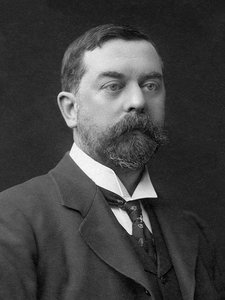
Джон Сінгер Сарджент
1856 - 1925 , Італія
Короткі факти
- Artistic Movement Or Style: Імпресіонізм
- Artists Or Movements Influenced By This Artist: ['Наступні покоління художників']
- Artists Who Influenced This Artist:
- Каролус-Дюран
- Дієго Веласкес
- Date Of Birth: 1856
- Date Of Death: 1925
- Full Name: Джон Сінгер Сержант
- Nationality: Американець
- Notable Artworks:
- Madame X
- El Jaleo
- Carnation, Lily, Lily, Rose
- Place Of Birth: Флоренція, Італія
Пов'язані статті

Riverine Landscapes: A Study of Water and Light in Art History
Explore the evolution of riverine landscapes from Renoir to Hokusai. Discover the mastery of light and water in art history.

Mastering Light & Elegance: The Top 25 John Singer Sargent Artworks
Step into the Gilded Age with our curated guide to the top 25 John Singer Sargent masterpieces. Explore the elegance of his iconic portraits and breathtaking light. Find museum-quality art reproductions for your decor. Discover all masterpieces on AllPaintingsStore.com.


