


 Переглянути в інтер'єрі
 Надіслати
 Поділитися
 Деталі
 Посібник

 Завантажити
 Схожі предмети колекціонування
 Рентгенівське дослідження
 Слайд-шоу
 Статистика переглядів
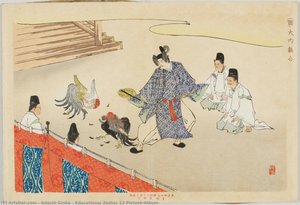
Söshiarai Komachi. Nögaku Zue
 Woodblock Print
- Ukiyo-e
 1898
1898- 19th Century
 26.0 x 36.0 cm
 Bujalance Collection
 Читати далі
Олійная репродукція ручної роботи
Написана вручну олією на полотні у вашому розмірі та рамі, виготовлена на замовлення нашими художниками. ( Перейти до друку Перейти до цифрових зображень)




P118B $10

P118H $10

P118W $10

P438Z $10

P508JH $12

P508YH $12

P805H $10

P805Z $10

P919BZ $10

P919G $10

P919XJ $10

P959ZH $10

P968JZ $12

W106C $8

W218G $10

W218JH $8

W218Y $10

W307PJ $10

W316G $10

W316PJ $8

W316Y $10

W398PJ $8

W4111J $10

W500HY $15

W500JH $15

W692G $12

W849H $8

W940BG $15

W953PJ $8




Обирайте з наших стандартних розмірів, що відповідають оригінальним пропорціям твору мистецтва.

Ви можете вказати власні розміри, щоб репродукція ідеально підійшла до конкретної рами або інтер'єру. Якщо вибраний вами розмір не відповідає пропорціям оригіналу, ми або обріжемо полотно, або доповнимо картину додатковими елементами, промальованими вручну. Цифровий макет буде надіслано вам на затвердження перед початком виробництва.
Зверніть увагу, що попередній перегляд на екрані не відображає фактичне обрізання або розширення зображення. Тільки макет точно покаже остаточну композицію.
Хоча ми можемо виготовити виріб у нестандартному розмірі, для збереження оригінальних пропорцій рекомендуємо обирати варіанти зі встановленого списку.
Після оформлення замовлення команда AllPaintingsStore.com зв'яжеться з клієнтом електронною поштою для отримання інструкцій та надасть попередній макет
Доставка по всьому світу () за 3–4 тижні замість стандартних 5 тижнів. (21 Вересень). Без жодних компромісів у якості.

Безкоштовна експрес-доставка по всьому світу

Високоякісне лляне полотно

Повне страхове покриття доставки

Гарантія повернення митних зборів

Гарантія точного відтворення кольорів

Політика повернення протягом 100 днів (лише у разі виявлення дефектів)

Гарантія повернення 100% коштів

Знижка на оптові замовлення
 Скляний варіант доступний лише для розмірів до 110 см

Söshiarai Komachi. Nögaku Zue
Техніка репродукції
Розмір репродукції
-


Загальна вартість
$ 258
A Glimpse into the Soul of Noh: The Artistry of Kōgyo Sakamaki
In the delicate interplay of shadow and light, Söshiarai Komachi emerges as a profound window into the heart of Japan’s classical dramatic traditions. Created in 1898 by the master printmaker Kōgyo Sakamaki, this exquisite work from his celebrated series Nögaku Zue captures more than just a moment in time; it preserves the very breath of the Noh theatre. The scene unfolds with a quiet, rhythmic elegance, depicting characters enveloped in the traditional attire that defines an era of profound cultural introspection. As one gazes upon the composition, there is an immediate sense of being transported to the Meiji era, where the boundaries between the physical world and the spiritual realm often blurred through the medium of ritualistic performance.
The subject matter draws deeply from the wellspring of Japanese folklore and the solemnity of Buddhist-influenced rituals. The painting portrays a gathering that vibrates with a sense of communal harmony and social intimacy. At the center, a figure rests or perhaps prepares for a dance, surrounded by others whose presence suggests a shared narrative of camaraderie. Through Sakamative’s lens, we see the intricate textures of kimonos and the poised, deliberate movements that characterize Noh—a theatre where every gesture is heavy with meaning. The artist masterfully captures the essence of ukiyo-e evolution, moving away from the mere depiction of fleeting pleasures toward a more soulful, psychological exploration of character and tradition.
Technique and the Mastery of Line
Sakamaki’s technical prowess is evident in the meticulous way he handles line and color to evoke atmosphere. As a protégé of the legendary Tsukioka Yoshitoshi, Sakamaki inherited a gift for dramatic tension and anatomical precision. In this piece, his use of line creates a sense of structural grace, guiding the eye through the complex arrangement of figures. The colors are applied with a sophisticated restraint, allowing the subtle gradations of tone to suggest the soft glow of candlelight or the muted hues of a twilight stage. This delicate balance of detail and space allows the viewer to feel the stillness that is so vital to the Noh experience—a silence that is not empty, but rather filled with anticipation.
For the discerning collector or interior designer, this work offers a rare opportunity to possess a piece of history that embodies the concept of wabi-sabi—the beauty of imperfection and transience. The composition’s ability to command attention through subtlety makes it an ideal centerpiece for a curated space. Whether placed in a contemporary gallery setting or a classic study, the artwork provides a sophisticated focal point that invites contemplation and serves as a conversation piece regarding the enduring legacy of Japanese aesthetic values.
An Emotional Resonance for Modern Spaces
Beyond its historical significance, Söshiarai Komachi possesses an emotional depth that transcends its age. There is a haunting beauty in the way Sakamaki depicts the connection between the performers and their environment, evoking feelings of nostalgia, reverence, and peace. The painting does not merely show a scene; it invites the viewer to participate in the ritual. This emotional resonance makes high-quality reproductions of such works incredibly valuable for those looking to infuse their homes with a sense of tranquility and cultural richness.
Integrating this masterpiece into an interior design scheme allows for a layering of narrative and texture. It complements minimalist aesthetics by providing a rich, historical counterpoint, or it can enhance more maximalist environments by adding a layer of profound storytelling. To own a reproduction of this caliber is to hold a fragment of the Meiji era’s artistic soul, ensuring that the elegance of the Noh tradition continues to inspire generations to come.
Схожі твори мистецтва
![Neko No Shibai 猫の芝居 [cat Theatre] — Утагава Кунімаса, Ukiyo-e](/media/artworks/images-thumb/94/a5/94a54e4879ac44853d6307509f6732d0.jpg)



Біографія митця
Kōgyo Sakamaki (1869–1927): The Poet of Noh
Kōgyo Sakamaki, whose name translates to “Moonlit Harvest,” stands as one of Japan’s most revered printmakers of the Meiji era (1868–1912), a period marked by rapid modernization and cultural introspection. Born Henyu Bennosuke in Nihonbashi, Tokyo—a bustling district at the heart of Edo’s commercial center—his artistic journey began under the tutelage of Tsukioka Yoshitoshi, arguably Japan's foremost ukiyo-e artist, a figure who profoundly shaped Sakamaki’s aesthetic sensibilities and lifelong devotion to Noh theatre. This dedication would define his oeuvre, resulting in over 550 prints that capture the essence of this ancient Japanese dramatic tradition with unparalleled sensitivity and artistry.- Early Life & Training: Sakamaki's formative years were spent assisting his father in running an inn while simultaneously immersing himself in pottery painting under his uncle’s guidance—a grounding experience that instilled a meticulous attention to detail and craftsmanship. Crucially, he enrolled at Tokyo School of Fine Arts at the age of fifteen, where he honed his artistic skills alongside Yoshitoshi, absorbing the master's techniques and fostering an appreciation for Western influences alongside traditional Japanese aesthetics.
- The Influence of Yoshitoshi: Yoshitoshi’s marriage to Sakamaki’s mother cemented their familial bond and provided Sakamaki with invaluable mentorship. Yoshitoshi championed Noh theatre as a form of artistic expression, recognizing its profound connection to Japanese culture and history—a conviction that ignited Sakamaki's own passion for the genre.
- Collaboration with Gekkō: Following Yoshitoshi’s death in 1892, Sakamaki continued his artistic pursuits under the guidance of Ogata Gekkō, another titan of Meiji printmaking. Gekkō encouraged Sakamaki to explore watercolor techniques and synthesize Western influences with traditional Japanese sensibilities—a stylistic fusion that would become a hallmark of Sakamaki’s distinctive visual language.
Noh Theatre Prints: A Legacy of Observation & Emotion
Sakamaki's artistic focus centered on Noh theatre, a ritualistic form of drama characterized by stylized movements, chanting, and masks—a tradition that had undergone significant transformation since its origins in feudal Japan. Recognizing the challenges faced by Noh as it navigated the pressures of modernization, Sakamaki sought to preserve its cultural heritage through meticulously crafted prints. He undertook extensive research into Noh performance practices, documenting costumes, postures, and facial expressions with remarkable precision.- Series Creation: Sakamaki produced three monumental print series—*Hanjo*, *Ikarikazuki*, and *Fuji*—each representing a comprehensive portrayal of Noh plays. These prints are not merely reproductions; they are imbued with palpable emotion and convey the spirit of Noh’s rituals and aesthetics.
- Technique & Style: Sakamaki employed a distinctive watercolor-like technique, layering translucent washes to achieve luminous effects that captured the subtle nuances of Noh theatre—a stylistic innovation that distinguished him from his contemporaries.
Critical Recognition & Artistic Significance
Sakamaki’s work garnered widespread acclaim both in Japan and internationally. He was awarded a prize at the Panama Pacific International Exposition in San Francisco in 1915 for his woodcut “The Horse Market at Kiso,” cementing his reputation as one of Japan's foremost printmakers. His prints continue to be studied by scholars and admired by collectors alike, serving as invaluable documents of Noh theatre’s cultural history and embodying the artistic ideals of the Meiji era—a testament to Sakamaki’s enduring legacy as a master of ukiyo-e and a poet of Japanese tradition.Posthumous Legacy & Continued Appreciation
Despite his untimely death in 1927, Sakamaki's influence persists through the work of his student, Sufo, who continued to produce prints inspired by Sakamaki’s vision—a continuation of his artistic spirit that ensures his contribution to Japanese art history remains vibrant and relevant. His prints reside in major collections worldwide, including the University of Pittsburgh, where they are celebrated as masterpieces of ukiyo-e artistry and embodiments of Japan's cultural heritage.
kogyo sakamaki
1869 - 1927 , Japan
Довідкова інформація
- Artistic Movement Or Style: Noh Theatre Prints
- Artists Or Movements Influenced By This Artist: ['Ukiyo-e']
- Artists Who Influenced This Artist:
- Tsukioka Yoshitoshi
- Ogata Gekkō
- Date Of Death: 1927
- Full Name: Tsukioka Kōgyo 月岡耕漁
- Nationality: Japanese
- Notable Artworks:
- Hanjo. Nögaku hyakuban
- Ikarikazuki. Nögaku Zue
- Fuji. Nögaku Zue
- Place Of Birth: Tokyo, Japan
Схожі статті

25 шедеврів Кацусіки Хокусая: мистецтво Японії для вашого дому | AllPaintingsStore
Відкрийте 25 культових робіт Кацусіки Хокусая! Гравюри укійо-е, легендарна "Хвиля", пейзажі Фудзі та неймовірний світ японського мистецтва. Репродукції картин преміум-класу для вашого дому на AllPaintingsStore.com.

Ukiyo-e: Exploring Japan's Floating World & Enduring Artistic Legacy
Explore the captivating world of Ukiyo-e – Japan's iconic woodblock prints! Discover masters like Hokusai & Hiroshige, learn about Edo period culture, and find expert art collecting guidance at AllPaintingsStore.

Floating World: The Captivating Art and Legacy of Japanese Ukiyo-e
Explore the profound beauty of Japanese Ukiyo-e. Discover the history, masters like Hokusai, and the enduring legacy of the 'Floating World' through an expert art-historical lens.

Tsukioka Yoshitoshi: A Master of Ukiyo-e's Final Flourish – Narrative, Innovation, and the Meiji Transition
Explore the life & art of Tsukioka Yoshitoshi, the last great master of ukiyo-e woodblock printing. Discover his dramatic warrior prints, innovative series like 'One Hundred Aspects of the Moon,' and legacy reflecting Japan's Meiji transition.

Floating World Wonders: A Definitive Guide to the Captivating Beauty of Ukiyo-e Art
Embark on a visual journey through the ephemeral beauty of Ukiyo-e. Discover the masters of the floating world, from dynamic warriors to Kabuki legends, and explore the profound cultural legacy of Japanese woodblock printing in this expert guide for art enthusiasts.

