Ранні роки Марка Ротко
Марк Ротко народився у 1903 році під іменем Маркус Якович Роткович. Його батьківщина — Двінськ, Росія, місце, яке сьогодні відоме як Даугавпільс, Латвія. Його родина жила в межах Чорти, що була позначена політичними заворушеннями та постійною тінню погромів. Ця атмосфера нестабільності супроводжувала сім'ю і після еміграції до Сполучених Штатів у 1913 році. Пройшовши через Елліс-Айленд, вони оселилися в Портленді, штат Орегон.
Його батько, Якоб, працював фармацевтом. Він був інтелектуалом із соціалістичними нахилами, який створив у домі атмосферу, зосереджену на навчанні та дискусіях. Цей простір глибокої думки був перерваний раптовою втратою. Невдовзі після прибуття родини до Америки Якоб помер від раку товстої кишки. Цей ранній досвід скорботи та важке випробування життя емігранта стали тихим фундаментом для того, ким він став у майбутньому.
Художня освіта та ранні роки в Нью-Йорку
Переїзд до Нью-Йорка у 1923 році став поворотним моментом, що докорінно змінив вектор його творчих пошуків. Після навчання в Єврейському університеті Єля, магія та нестримний ритм мегаполісу відтягнули його від академічної суворості. Він звернувся до Ліги студентів мистеств, щоб відточити свою майстерність. У ті ранні роки його пензель був присвячений матеріальному та відчутному. Він писав портрети та міські пейзажі, приділяючи надзвичайну увагу деталям: від виразності людських облич до суворої естетики брудних міських вулиць. Його роботи того часу були глибоко вкорінені в реалізм, намагаючись зафіксувати фізичний світ ще до того, як на нього почав впливати неминучий перехід до абстракції.
До 1940 року він прийняв рішення змінити своє ім'я на Марк Ротко. Це був період глибокої трансформації, час відходу від структурованого представлення реальності, притаманного його юності. Фокус уваги почав поступово зміщуватися від впізнаваних об'єктів міста до чогось менш визначеного, невловимого. Він шукав спосіб передати всю важкість людського досвіду, не покладаючись на буквальні форми навколишнього світу, намагаючись вийти за межі видимого.
Еволюція в напрямку абстрактного експресіонізму
З плином 1940-х років ретельний реалізм його ранніх років почав відступати на задній план. Фокус уваги змістився від впізнаваних деталей міських пейзажів та портретів. Замість цього він звернувся до мови сюрреалізму та міфології, використовуючи ці теми, щоб знайти спосіб виразити всю важкість людських емоцій. Картини цього періоду часто наповшували біоморфні форми — ці фігури ніби ширяли у просторі, перебуваючи у стані між чітким образом та повною абстракцією.
Цей етап став початком його тісного зв'язку з американським абстрактним експресіонізмом. Він відійшов від структурованого світу предметів, щоб дослідити щось набагато глибше та внутрішнє. Полотно перестало бути відображенням того, як виглядає річ, і стало втіленням того, яке відчуття вона несе. Марк Ротко шукав шлях, як передати складність людського буття через мову форми та міфу.
Розвиток живопису кольорового поля
Наприкінці 1940-х років його творчий шлях зазнав докорінних змін. Марк Ротко відходить від фігуративності та міфологічних сюжетів, відкидаючи впізнавані образи, щоб відшукати щось більш пряме та первісне. Полотно розростається у масштабах, наповнюючись великими прямокутними блоками кольору, які, здається, нерухомо зависли у просторі. Ці форми не просто лежать на поверхні — вони ніби існують у мілководному, дихаючому просторі. Цей перехід ознаменував початок його зрілого періоду, що нерозривно пов'язаний із виникненням живопису кольорового поля.
Процес нанесення фарби був повільним і багатошаровим. Використовуючи тонкі, напівпрозорі нашари пігменту, він вибудовував поверхню, створюючи витончені переходи тону та текстури. Завдяки цій техніці світло ніби випромінюється зсередини самого полотна. Краї кольорових фігур ніколи не були різкими; навпаки, вони розмиті та м'які, що робить межі між різними відтінками проникними та текучими. Цей метод перетворив полотно на простір тихої, вагомої присутності.
Техніка та мова кольору
Творчість Марка Ротко ґрунтується на особливому, майже медитативному методі нашарування. Він наносив тонкі, прозорі обриси олійної фарби, поступово вибудовуючи поверхню через ретельні, напівпрозорі шари. Цей процес створює оксамитову текстуру, яка, здається, не просто відбиває світло з поверхні, а утримує його всередині самого пігменту. Замість різких ліній краї його прямокутних форм розмиті, що дозволяє кольорам плавно перетікати та ніби зависати одне над одним. Ці величні кольорові блоки покликані створити відчуття глибини, змушуючи полотно ніби дихати.
Він свідомо відмовився від назв, які могли б натякнути на конкретний сюжет чи розповідь. Багато полотен мають лише прості номери, як-от № 1 або № 6, залишаючи глядача віч-на-віч із кольором без будь-яких упереджених уявлень. Такий вибір спонукає до безпосередньої зустрічі з фарбою. Через ці люмінесцентні поля він намагався торкнутися глибоких, важких людських емоцій: трагедії, екстазу та відчаю. Масштаб його робіт покликаний охопити людину, що стоїть перед ними, перетворюючи акт споглядання на безмовний, імерсивний досвід.
- № 10 (Коричнево-чорна сієна на темно-виновому)
- № 37 або № 19
- Біле поверх червоного
Знакові замовлення та муральні проєкти
Творчість Марка Ротко часто виходила за межі окремого полотна, прагнучи охопити цілі простори. Значну частину свого часу він присвятив муралам Seagram — серії полотен, що створювалися спеціально для ресторану в Нью-Йорку. Зрештою художник вирішив, що обране середовище не відповідає глибині його задуму, і передав ці роботи до галереї Тейт в Лондоні. Його глибокий інтерес до того, як колір заповнює простір, також втілився у серії муралів для Гарварду, створених для їдальні в Голіок-центрі.
В Х'юстоні, штат Техас, він залишив після себе чотирнадцять полотен для Капели Ротко. Цей екуменічний простір прикрашений творами у різноманітних відтінках чорного. Картини розташовані так, щоб гармонійно вписатися в архітектуру капели, створюючи особливу атмосферу для тихої медитації. Масштаб цих робіт покликаний оточити глядача, заповнюючи периферійний зір кольором і дозволяючи повною мірою відчути присутність вічного.
Останні роки та трагічна смерть
Вага власної творчості часто здавалася Марку Ротко нестерпним тягарем. Протягом усього свого життя він боровся з депресією — невблаганною тінню, що супроводжувала його пошуки емоційної істини. Він вев скромне існування, часто відсторонюючись у тихі простори, необхідні для створення його масштабних полотен. Інтенсивність його зосередження на людському буття — трагедії, екстазі та відчаї — була не просто темою для пензля, а реальністю, яку він нес у собі.
Наприкінці життя ця внутрішня боротьба стала занадто важкою. 25 лютого 1970 року Марк Ротко наклав на себе руки у своїй студії. Йому було 66 років. Його смерть залишила по собі величезну колекцію робіт, серед яких було багато незавершених полотен, а також значна спадщина картин, через складні юридичні суперечки з якими згодом довелося проходити його родині та виконавцям заповіту.
Незмінна спадщина його мистецтва
Вага його присутності досі відчувається в тому, як його полотна домінують у просторі кімнати. Він залишив по собі величезну спадщину, що налічує 798 картин — колосальну колекцію, яка продовжує бути наріжним каменем історії сучасного мистецтва. Його перехід до великих, сяючих прямокутників кольору допоміг сформувати рух абстрактного експресіонізму, а згодом вплинув на мінімалізм. Ці роботи не потребують впізнаваних форм, щоб утримати увагу глядача; натомість вони покладаються на повільне, ритмічне дихання кольору, що створює глибоке відчуття простору.
Його вплив простежується в тому, як наступні покоління почали сприймати полотно як простір для психологічного та духовного дослідження. Позбувшись нагромадження наративів, він змінив саму суть взаємодії людини з фізичною реальністю фарби. Його картини визнані одними з найважливіших творів мистецтва XX століття; вони зберігаються у постійних колекціях провідних інституцій, таких як Музей сучасного мистецтва в Нью-Йорку та Тейт Модерн в Лондоні. Масштаб його робіт часто поглинає периферійний зір, примушуючи глядача до тихої, медитативної тиші.
- No. 6 (Violet, Green and Red)
- Orange, Red, Yellow (1961)
- N.10 (1958)
Де можна побачити його роботи сьогодні
Стояти перед його полотнами — означає відчути на собі всю вагомість кольору в тиші залу. У Нью-Йорку Музей сучасного мистецтва зберігає кілька його видатних робіт. По інший бік Атлантики галерея Tate Modern у Лондоні пропонує подібний простір, де можна наодинці зануритися у його масштабні форми. У Вашингтоні Національна галерея мистецтв National Gallery of Art тримає колекцію його картин, де світло падає на багатошарові пігменти так, що відкривається та сама глибина, яку він намагався досягти через тонкі олійні напластовання.
Особливу, майже сакральну тишу можна відчути в капелі Ротко в Х'юстоні, штат Техас. Це позаконфесійна обитель, де представлені чотирнадцять його полотен у різних відтінках чорного. Архітектура будівлі — восьмикутник, вписаний у грецький хрест, — була натхненна самим художником. Це місце для спокійних роздумів, де масштаб робіт покликаний охопити людину, що стоїть перед ними, повністю поглинаючи її сприйняття.
У латвійському Даугавпільсі Музей Ротко розташований у стінах історичного артилерійського арсеналу Даугавпільської фортеці. Цей заклад є єдиним у Європі місцем, де на постійній основі експонуються оригінальні картини, надані з його спадщини. Відвідувачі можуть побачити його творчість у Залі Ротко — просторі, створеному спеціально для цих полотен, що шанує його коріння.
- No. 1 (без дати)
- Three (без дати)
- No. 3/No. 13 (без дати)
- No. 10 (без дати)
- Magenta, Black, Green on Orange (без дати)
- White over Red (без дати)


 Читати далі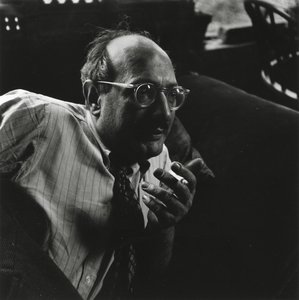


 Перейти до друку


 Для творів мистецтва або репродукцій, розмір яких перевищує 105 см (приблизно 41 дюйм) з будь-якого боку, рама доставляється у вигляді розібраного комплекту. Такий метод гарантує безпечну доставку та запобігає пошкодженням під час транспортування.


