- Додому

- Репродукція картини олією
- Матіас Груневальд
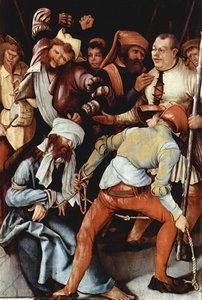
- The Temptation of St Anthony (detail)

 Замовити друк Купити цифрове зображення
 Надіслати
 Поділитися
 Деталі витвору
 Додати до улюблених

 Завантажити
 Схожі вироби
 Рентгенівське дослідження
 Слайд-шоу
The Temptation of St Anthony (detail)


 Розгорнути текст
Олійная репродукція ручної роботи
Написана вручну олією на полотні у вашому розмірі та рамі, виготовлена на замовлення нашими художниками.




P118B $10

P118H $10

P118W $10

P438Z $10

P508JH $12

P508YH $12

P805H $10

P805Z $10

P919BZ $10

P919G $10

P919XJ $10

P959ZH $10

P968JZ $12

W106C $8

W218G $10

W218JH $8

W218Y $10

W307PJ $10

W316G $10

W316PJ $8

W316Y $10

W398PJ $8

W4111J $10

W500HY $15

W500JH $15

W692G $12

W849H $8

W940BG $15

W953PJ $8




Обирайте з наших стандартних розмірів, що відповідають оригінальним пропорціям твору мистецтва.

Ви можете вказати власні розміри, щоб репродукція підійшла до конкретної рами або інтер'єру. Якщо вибраний вами розмір не відповідає пропорціям оригіналу, ми або обріжемо полотно, або доповнимо картину додатковими елементами, промальованими вручну. Цифровий макет буде надіслано вам на затвердження перед початком виробництва.
Зверніть увагу, що попередній перегляд на екрані не відображає фактичне обрізання або розширення зображення. Тільки макет точно покаже остаточну композицію.
Хоча ми можемо виготовити виріб у нестандартному розмірі, для збереження оригінальних пропорцій рекомендуємо обирати варіанти зі встановленого списку.
Після оформлення замовлення команда AllPaintingsStore.com зв'яжеться з клієнтом електронною поштою для отримання інструкцій та надасть попередній макет
Доставка по всьому світу () за 3–4 тижні замість стандартних 5 тижнів. (16 Липень). Без жодних компромісів у якості.

Безкоштовна експрес-доставка по всьому світу

Високоякісне лляне полотно

Повне страхове покриття доставки

Гарантія відшкодування митних зборів

Гарантія точного відтворення кольорів

Політика повернення протягом 60 днів (лише у разі виявлення дефектів)

Гарантія повернення 100% коштів

Знижка на багатоелементні замовлення
 Скляний варіант доступний лише для розмірів до 110 см

The Temptation of St Anthony (detail)
Матеріал репродукції
Розмір репродукції
-


Підсумкова ціна
-
Опис твору
Matthias Grünewald’s “The Temptation of St Anthony”: A Descent Into Darkness Illuminated by Faith
Matthias Grünewald’s “The Temptation of St Anthony,” housed in the Musée d'Unterlinden, Colmar, France, stands as a monumental achievement of Northern Renaissance art—a visceral depiction of spiritual struggle rendered with unparalleled psychological depth and artistic virtuosity. Completed around 1515 as part of the Isenheim Altarpiece, commissioned by Archbishop Albert of Brandenburg for St. Ludger’s Cathedral in Mainz, Grünewald's masterpiece transcends mere religious iconography; it confronts viewers with a harrowing exploration of human vulnerability against overwhelming temptation.
- Historical Context: Grünewald’s work emerged during a period of profound intellectual and artistic ferment—the Northern Renaissance. Driven by humanist ideals originating in Italy, artists like Albrecht Dürer sought to revive classical principles while simultaneously forging new expressive languages rooted in medieval traditions. Grünewald skillfully navigated this tension, prioritizing emotional intensity and meticulous observation over formal imitation.
- Composition & Symbolism: The painting’s chaotic composition immediately draws the eye into a hallucinatory landscape populated by grotesque demons—a deliberate echo of medieval anxieties surrounding demonic influence. Grünewald employs a masterful use of color—primarily earthy hues punctuated by flashes of crimson and gold—to heighten dramatic effect. Recurring symbols—the tormented saint, the ruined tower representing asceticism, the fiery city symbolizing divine protection—contribute to a multilayered narrative exploring themes of faith, doubt, and redemption.
- Technique: Grünewald’s technique is characterized by painstaking detail and expressive brushwork—a hallmark of Altarpiece painting. He utilizes oil paint with remarkable precision, layering thin glazes to achieve luminous color gradations and capturing subtle nuances of texture. The artist's masterful rendering of anatomical realism underscores the psychological portrayal of St Anthony’s inner turmoil.
- Emotional Impact: “The Temptation of St Anthony” compels viewers to confront uncomfortable truths about human nature—the capacity for succumbing to temptation despite unwavering conviction. Grünewald’s depiction of despair and torment resonates powerfully with audiences centuries later, serving as a timeless meditation on the battle between good and evil.
The Isenheim Altarpiece: A Canvas of Suffering and Divine Grace
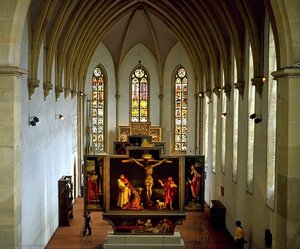
“The Temptation of St Anthony” is inextricably linked to its larger context—the Isenheim Altarpiece. Created for St. Ludger’s Cathedral in Mainz during a time of plague and religious fervor, the altarpiece represents one of the most poignant expressions of Christian art—a visual chronicle of suffering endured by patients afflicted with ergotism (St Anthony's Fire), a debilitating neurological disorder caused by fungal contamination of rye grain.
- Narrative Complexity: The Altarpiece unfolds in three distinct stages, each conveying a crucial aspect of the saint’s spiritual journey. Grünewald meticulously depicts scenes from St Anthony’s life—his monastic vows, his pilgrimage to Jerusalem, and his final encounter with Christ—creating a dramatic tableau that underscores the transformative power of faith.
- Psychological Depth: Grünewald's masterful portrayal of human emotion—fear, anguish, compassion—elevates the Altarpiece beyond mere decorative splendor. He captures the psychological torment experienced by St Anthony and his fellow monks with breathtaking sensitivity, reflecting the profound spiritual anxieties of the era.
- Symbolic Resonance: Recurring motifs—the ruined tower symbolizing asceticism, the fiery city representing divine protection, the saint’s unwavering gaze—reinforce the Altarpiece's central themes. Grünewald employs symbolism to communicate complex theological ideas in a visually arresting manner.
A Legacy of Dramatic Expression: Grünewald’s Influence on Renaissance Art
Matthias Grünewald’s “The Temptation of St Anthony” exerted an indelible influence on subsequent generations of artists—particularly Albrecht Dürer, who served as Grünewald's protégé. Unlike Dürer’s meticulous realism and classical ideals, Grünewald prioritized emotional intensity and expressive brushwork—a stylistic departure that nevertheless upheld the humanist tradition of observation and psychological insight.
- Formal Innovation: Grünewald’s technique—characterized by thin glazes and layered brushstrokes—challenged prevailing artistic conventions. He demonstrated a willingness to experiment with new visual languages while retaining the spiritual core of medieval art.
- Emotional Resonance: Grünewald's ability to convey profound psychological states—despair, torment, compassion—established him as a pioneer in expressive painting. His work continues to inspire artists today who strive to capture the complexities of human experience.
“The Temptation of St Anthony” remains an enduring testament to Grünewald’s artistic genius—a masterpiece that transcends time and culture, inviting viewers to contemplate the eternal struggle between darkness and light, faith and doubt.
Схожі витвори мистецтва


Біографія митця
Matthias Grünewald: The Soul of Late Medieval Art
Matthias Grünewald, born Mathis Gothart Neithardt around 1470-1475 in Würzburg, Germany, stands as one of the most remarkable figures of the German Renaissance—a paradox in itself. Unlike many artists of his era who embraced the humanist ideals sweeping across Italy, Grünewald remained firmly rooted in the artistic traditions of late medieval Central Europe, forging a path that blended Gothic solemnity with burgeoning naturalism. Precise details about his formative years are scarce, yet evidence suggests he received training as an artist within local workshops—a crucial step toward mastering the techniques and sensibilities of his time.Early Artistic Influences and Training
Grünewald’s artistic journey began amidst a landscape dominated by the legacy of Albrecht Dürer and Martin Schongauer, artists who championed meticulous observation and stylistic innovation. However, Grünewald distinguished himself through an unwavering devotion to emotional intensity and dramatic expression—qualities that would define his oeuvre. He wasn't involved in the intellectual debates surrounding humanism; instead, his art served primarily religious purposes, reflecting the profound spiritual anxieties prevalent during a period of upheaval and uncertainty. This dedication to conveying inner experience—a hallmark of Gothic art—would prove pivotal in shaping Grünewald’s distinctive artistic vision.The Isenheim Altarpiece: A Revelation of Suffering
Grünewald's magnum opus, the *Isenheim Altarpiece* (1512-1516), commissioned by Saint Hildegard von Bingen for her monastery in Alsace, remains an unparalleled achievement of artistic expression. This monumental panel painting depicts scenes from the Passion of Christ with breathtaking realism—a daring departure from conventional religious iconography. Grünewald’s masterful use of color—particularly vibrant reds and blues—combined with unsettling depictions of physical torment—such as the agonizing wounds inflicted upon Christ—created a visceral experience for viewers confronting the horrors of suffering and redemption. The altarpiece's influence extended far beyond its immediate context, inspiring artists across Europe to explore themes of pain and spiritual transformation. It is considered one of the most important paintings in Western art history due to its innovative approach to portraying human emotion and its enduring power to evoke contemplation.A Style Defined by Dramatic Composition and Intense Color
Grünewald’s artistic style was characterized by several key elements that set him apart from his contemporaries. He employed dynamic compositional arrangements—often utilizing diagonal lines and asymmetrical groupings—to heighten emotional impact and create a sense of movement within the frame. Furthermore, Grünewald's palette embraced bold hues—contrasting reds with blues and yellows—generating a luminous visual effect that conveyed profound spiritual depth. Unlike Dürer’s meticulous realism, Grünewald prioritized expressive gestures and facial expressions to communicate psychological states—a technique rooted in medieval artistic conventions but imbued with an unprecedented level of nuance. This distinctive style—marked by dramatic composition and intense color—became synonymous with Grünewald's artistic legacy.Legacy and Influence
Despite being largely forgotten for centuries after his death in 1528, Matthias Grünewald experienced a revival in the nineteenth century thanks to the efforts of scholars who recognized his genius. Today, Grünewald is revered as one of the foremost painters of the German Renaissance—a testament to his enduring artistic influence and the timeless appeal of his emotionally charged depictions of religious narratives. His work continues to captivate audiences worldwide with its raw emotion, technical brilliance, and profound spiritual depth—solidifying his place among the icons of Western art history.
Матіас Груневальд
1480 - 1528 , Німеччина
Короткі факти
- Artistic Movement Or Style: Ренессанс Северной Европы
- Artists Or Movements Influenced By This Artist: ['Альбрехт Дюрер']
- Artists Who Influenced This Artist:
- Альбрехт Дюрер
- Мартин Шонгауэр
- Date Of Birth: Прибл. 1470 г.
- Date Of Death: 31 августа 1528 г.
- Full Name: Матиас Груневальд
- Nationality: Германия
- Notable Artworks:
- Альтерпис Изехайм
- Крестусьон
- Place Of Birth: Вюрцбург, Германия
Пов'язані статті

Sacred Narratives on Canvas: Exploring Devotional Imagery Across Art History
Explore the rich history of devotional art! Discover iconic masterpieces, symbolism & techniques from antiquity to the Renaissance. Expert insights for collectors & enthusiasts at AllPaintingsStore.
Hugo van der Goes: Devotion, Innovation & the Psychological Depth of Early Netherlandish Painting
Explore the revolutionary art of Hugo van der Goes – a master of Early Netherlandish painting renowned for his dramatic realism, psychological depth & profound influence on Renaissance artists. Discover his iconic works and lasting legacy.

High Medieval Art: 10 Masterpieces That Shaped an Era | AllPaintingsStore
Journey through High Medieval Art! Explore 10 iconic masterpieces – from Giotto's frescoes to stunning Gothic cathedrals. Discover the stories behind these timeless paintings, sculptures & illuminated manuscripts. Find museum-quality art reproductions at AllPaintingsStore.com.

Illuminating Belief: Faith & Symbolism Across Art History's Canvas
Explore the rich history of faith through art! Discover religious symbolism, Renaissance masterpieces & iconic artists. Expert analysis for collectors & enthusiasts. Learn more at AllPaintingsStore.

Топ-10 шедеврів раннього нідерландського живопису: мистецтво для вашого дому від AllPaintingsStore
Відкрийте для себе 10 шедеврів раннього нідерландського живопису! Дізнайтесь історії ван Ейка, ван дер Вейдена та інших майстрів. Купіть високоякісні репродукції картин на AllPaintingsStore.com і додайте елегантності вашому дому.