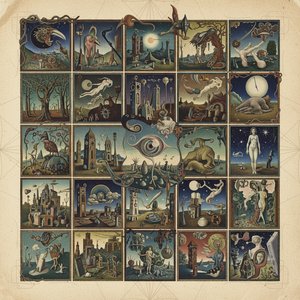
1927. Oil On Canvas.

§ 1Дані каталогу


Цей твір захищено авторським правом
Мистецький твір, представлений на цій сторінці, захищений законом про авторське право, що унеможливлює легальне створення або продаж його ідентичної репродукції. Цей захист забезпечується відповідно до міжнародних угод, таких як Бернська конвенція та національним законодавством, зокрема положеннями, що викладені в Законодавство США про авторське право — Розділ 17. Всі права захищені. Будь-яке використання без дозволу заборонено.
Як шанобливу та законну альтернативу, ми пропонуємо унікальні картини ручної роботи, створені натхненням від оригіналу. Наші досвідчені професійні художники ретельно вивчають стиль, настрій та художню сутність оригіналу, щоб створити новий, неповторний твір, який викликає ті ж почуття, — залишаючись при цьому самобутнім творінням.
Цей метод повністю відповідає нормам авторського права, оскільки він не передбачає копіювання чи дублювання захищеного твору мистецтва. Натомість це творче переосмислення — створення нового малюнка під впливом оригіналу, який не є його точним відтворенням.
 Читати далі
§ 2Абстракція
Опис експоната
Explore Max Ernst’s "Forest & Dove" (1927) – a surrealist masterpiece! Discover its dense composition, symbolic elements & unique grattage technique. A captivating work of art.
Біографія митця
Макс Ернст (1891-1976) – геніальний художник та новатор супрематизму, що досліджував підсвідомість у своїх сюрреалістичних творах. Його техніки фроттаж, колажі та дивні образи вражають досі! #МаксЕрнст #Супрематизм
§ 3Коментар
A Dreamscape of Disquiet: Exploring Max Ernst’s *Forest and Dove*
Max Ernst's 1927 painting, *Forest and Dove*, is a quintessential example of Surrealism – a movement dedicated to unlocking the creative potential of the unconscious mind. This evocative oil on canvas transports viewers into a world that feels both familiar and profoundly unsettling, embodying the anxieties and psychological explorations central to the interwar period.Composition and Visual Language
The painting presents a dense, vertical composition dominated by dark, earthy tones – browns, ochres, and hints of red. Towering, skeletal trees define a claustrophobic forest scene, their branches reaching like grasping claws against an ambiguous sky. A small, almost childlike depiction of a dove perches within this forbidding landscape, while a solitary figure stands nearby, seemingly observing the scene with quiet contemplation. Ernst masterfully employs jagged lines and fragmented shapes to create a sense of unease and movement, disrupting any expectation of traditional pictorial harmony. The texture is remarkably rich, achieved through thick impasto application – lending a tactile quality that draws the viewer into the painting’s surface.Technique and Innovation: Grattage
Ernst was a relentless innovator in artistic technique. *Forest and Dove* showcases his pioneering use of *grattage*, a method he co-developed with Joan Miró. This involved scraping paint across the canvas to reveal the textures beneath, creating an almost three-dimensional effect and imbuing the surface with a unique visual energy. The resulting texture mimics bark, wood grain, and other natural forms, enhancing the painting’s dreamlike quality and blurring the lines between representation and abstraction.Symbolism and Interpretation
The symbolism within *Forest and Dove* is deliberately ambiguous, inviting multiple interpretations.- The Dead Tree: Often interpreted as a symbol of decay, transformation, or the passage of time, it anchors the composition and evokes a sense of melancholy.
- The Forest: Represents isolation, confinement, or the subconscious mind – a labyrinthine space where hidden fears and desires reside.
- The Dove: Traditionally a symbol of peace and hope, its presence within this somber landscape is particularly poignant. It may represent Ernst himself, seeking solace or freedom amidst inner turmoil.
- The Figure: Acts as the viewer’s surrogate, an observer caught between reality and the dreamlike world unfolding before them.
Historical Context and Artistic Influence
Created in 1927, *Forest and Dove* reflects the psychological anxieties prevalent in Europe following World War I. The trauma of war had shattered traditional beliefs and spurred artists to explore new ways of representing the human condition. Ernst’s work, deeply influenced by Dadaism and Surrealism, sought to challenge conventional notions of reality and tap into the power of the unconscious. His innovative techniques and evocative imagery profoundly impacted subsequent generations of artists, solidifying his place as a pivotal figure in 20th-century art.Emotional Resonance and Lasting Appeal
*Forest and Dove* is not merely a visual experience; it’s an *emotional* one. The painting evokes feelings of mystery, melancholy, and perhaps even foreboding. Its unsettling beauty lies in its ability to tap into our deepest fears and desires, prompting introspection and challenging us to confront the complexities of the human psyche. The work continues to resonate with audiences today, offering a timeless exploration of the subconscious mind and the enduring power of artistic imagination. It’s a piece that invites contemplation and rewards repeated viewing, making it a compelling addition to any art collection or interior space.Питання та відповіді
Яке місце посідає «Forest and Dove» роботи Макс Ернст в історії мистецтва?
«Forest and Dove» роботи Макс Ернст належить до течії Surrealism, що охоплює період Modern. Разом вони визначають місце цього твору в історії мистецтва.
Звідки приходять відвідувачі «Forest and Dove» роботи Макс Ернст?
Для «Forest and Dove» існує сторінка Статистика переглядів, на якій відображено щомісячну кількість переглядів цього твору та інших робіт митця з розподілом за країнами та мовами.
Хто є автором твору "Forest and Dove"?
Автором твору «Forest and Dove» є Макс Ернст. Робота внесена до каталогу під іменем Макс Ернст.


 Перейти до друку


 Для творів мистецтва або репродукцій, розмір яких перевищує 105 см (приблизно 41 дюйм) з будь-якого боку, рама доставляється у вигляді розібраного комплекту. Такий метод гарантує безпечну доставку та запобігає пошкодженням під час транспортування.