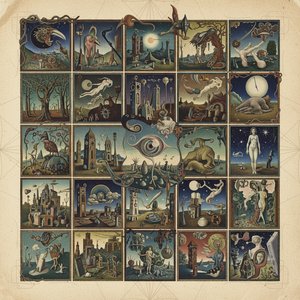
Життя та витоки Макса Ернста
Макс Ернст з'явився на світ 2 квітня 1891 року в Брюлі, Німеччина. Він ріс у католицькій родині середнього достатку як третя дитина з дев'яти. Його виховання проходило в тихій, дисциплінованій атмосфері домашнього затишку, де його батько, Філіп, працював вчителем для глухонімих. Філіп також був художником-аматором, і саме завдяки йому хлопчик вперше познайомився з інструментами та самою практикою створення мистецтва.
До 1909 року, коли він був студентом Боннського університету, Макс Ернст почав малювати. Цей ранній період його життя був позначений зростаючим інтересом до візуального світу, хоча згодом його шлях вийде далеко за межі художнього полотна. Він став майстром багатьох технік, працюючи як живописець, скульптор, друкар, графік та поет. Його перші роки були присвячені не пошуку єдиного напряму, а радше неспокійній допитливості щодо того, як саме можна представити світ і людський розум.
Академічні пошуки та ранні мистецькі впливи
Шлях Макса Ернста до мистецтва був сформований глибокою цікавістю до людського розуму та структур мислення. Навчаючись в Університеті Бонна, він не обмежувався лише роботою з пензлем та полотном. Натомість він присвячував свій час вивченню філософії, історії мистецтв, літератури, психології та психіатрії. Ці дисципліни надали йому концептуальну основу для розуміння світу, що виходила далеко за межі простої естетики. Його цікавили глибинні причини буття; він прагнув осягнути механізми психіки та історію людського самовираження. Цей інтелектуальний фундамент згодом дозволив йому відійти від традиційного репрезентативнізму та почати досліджувати приховані, ірраціональні шари людського досвіду.
Перші роки його життя були позначені поступовим зв'язком із мистецькою спільнотою Німеччини. У 1911 році він став частиною групи Die Rheinischen Expressionisten. Цей період був визначений пошуком нової візуальної мови. Важливим поворотним моментом став 1912 рік, коли він відвідав виставку Зондербунд у Кельні. Знайомство з творами Пабло Пікассо, Вінсента Ван Гога та Поля Гогена докорінно змінило його світосприйняття. Ці художники відкрили йому шлях до звільнення від усталених норм. Він відчув тяжіння до їхніх підходів, що спрямувало його на шлях радикальних експериментів, які згодом визначать усю його творчу кар'єру.
Вплив Першої світової війни
Початок Великої війни докорінно змінив траєкторію життя Макса Ернста. Будучи призваним на службу, він провів чотири роки на передовій як солдат. Служба артилеристом змусила його зіткнутися з жорстокою реальністю як на Східному, так і на Західному фронтах. Цей досвід став не просто перервою в його навчанні, а глибоким психологічним потрясінням. Хаос і руйнування, яких він став свідком, глибоко потрясли його душу, породивши стійкий скептицизм щодо сучасного світу та його усталених порядків.
Травма цього конфлікту була настільки всеохопною, що, здавалося, вона стерла його колишню особистість. У своїй автобіографії він з приголомшливою чіткістю писав про цю внутрішню смерть, стверджуючи, що Макс Ернст помер 1 серпня 1914 року. Це відчуття втрати та глибоке розчарування, що слідували за ним, зрештою підштовхнули його до радикальних, антираціоналістичних виявів мистецтва, які принесли з собою наступні авангардні рухи.
Дадаїзм та Кельнська група
Хаос Великої війни залишив у душі Макса Ернста глибокий скептицизм щодо структур сучасного світу. До 1919 року це розчарування знайшло свій голос у Кельні, де він об'єднав зусилля з Гансом Арпом та Йоганнесом Теодором Баргальдом, щоб заснувати Кельнську групу Дада. Це був період інтенсивної, неспокійної творчості. Разом зі своїми новими соратниками він допомагав видавати недовговічні журнали, такі як Der Strom та die Schammade, використовуючи друковане слово, щоб розсунути межі того, чим дозволено бути мистецтву. Це був час радикальних зрушень як у його творчості, так і в особистому житті, адже у 1919 році він одружився з Луїзою Штраус, студенткою мистецтвознавства.
Протягом цих років Макс Ернст почав відходити від традиційного живопису, знаходячи нову мову в мистецтві асамбляжу. Свої перші колажі він створив у 1919 році, працюючи з фрагментами зображень, щоб створити щось зовсім інше, ніж оригінальні частини. Одним із визначних ранніх прикладів цього періоду є Fiat modes — портфоліо літографій, що продемонструвало його зростаючий інтерес до таких фрагментарних композицій. Ці експерименти не були просто стилістичним вибором; вони були способом орієнтуватися у світі, який більше не здавався цілісним чи раціональним.
Сюрреалістичний рух у Парижі
До 1922 року неспокійна енергія, що живила його дадаїстські роки, знайшла нову домівку, коли Макс Ернст переїхав до Франції. Він припав до інтелектуальних кіл Парижа, відчувши справжню приналежність до середовища сюрреалістів. Він став частиною тісного, згуртованого гурту під проводом Андре Бретона — кола, що прагнув нанести на карту дивні, незвідані території людського розуму. Це був час інтенсивної співпраці та спільної мети, коли межі того, що може представляти мистецтво, розширювалися, занурюючись у царство снів та несвідомого.
Його присутність у цьому колі вирізнялася глибоким зануренням як у літературне слово, так і у візуальний образ. Він співпрацював із Полем Елюаром над журналом Littérature — проєктом, що допоміг визначити масштаб впливу цього руху. Ці роки пройшли під знаком невпинного пошуку нових способів візуалізації ірраціонального. У 1924 році допитливість привела його далеко за межі паризьких вулиць — у подорож до Індокитаю, досвід, що додав нових глибин його щоши ширшому світогляду.
Інноваційні техніки та художні методи
Макс Ернст був невпинним експериментатором, який прагнув обійти контроль свідомої сторони розуму. Він часто покладався на випадок, щоб віднайти свої візуальні образи. Це привело його до розробки методу фроттажу, коли він клав папір на текстуровані поверхні та розтирав їх олівцем або вугіллям. Цей простий акт тертя дозволяв несподіваним формам виринати з текстури деревини або рельєфу листка. Він розвинув цю ідею, створивши гратаж — процес, під час якого він зішкребував фарбу по полотну, щоб виявити текстури об'єктів, розміщених під нею. Ці методи дозволяли йому створювати пейзажі, що водночас здавалися органічними та дивними.
Його інтерес до ірраціонального також привів його до декалькоманії. Притискаючи фарбу від однієї поверхні до іншої, він досягав сновидних спотворень та багатошарових ефектів, які здавалися витісненнями з глибин сну. Він також був майстром колажу, ретельно збираючи розрізнені елементи — такі як наукові ілюстрації або вирізки з журналів — у композиції, що кидали виклик нашому сприйняттю реальності. Він не просто малював сцену; він будував її з фрагментів навколишнього світу.
Символізм птахів та Лоплоп
Дивна, особиста пристрасть до птахів супроводжувала Макса Ернста протягом усього його життя. Це не було простою цікавістю до природи, а глибокою одержимістю, що виросла з дитячого спогаду. Він згадував момент, коли його улюблений домашній птах помер саме в ту мить, коли народилася його молодша сестра. Цей збіг, здавалося, поєднав у його свідомості ідеї життя та смерті, перетворивши птахів на символи, що несли в собі водночас і передзначення, і таємницю. Він часто сприймав їх як істот, здатних подолати прірву між людським досвідом і надприродним.
Це захоплення зрештою набуло фізичної, майже психологічної форми через птахоподібне фрейдистське альтер-его, яке він назвав Лоплоп. Цей персонаж був чимось більшим, ніж просто повторюваним мотивом; він став провідником крізь ландшафти його розуму. Лоплоп вперше офіційно з'явився у його колажному романі 1929 року La Femme 100 Têtes. У цій роботі птах виступав як оповідач, що веде читача крізь серію зібраних образів та фрагментарних реальностей. Через Лоплопа Макс Ернст знайшов спосіб уособити ірраціональні імпульси підсвідомого, надавши обличчя — або дзьоб — тим частинам самого себе, що кидали виклик логіці.
Вигнання та життя в Сполучених Штатах
Тіні Другої світової війни зрештою досягли навіть художнього притулку Макса Ернста у Франції. У 1938 році політичний клімат різко змінився проти нього, і він був ув'язнений у таборі Кам-де-Міль поблизу Екс-ан-Прованс. Цей період перебування під наглядом став важким тягарем, особливо з огляду на те, що нацистський режим визначив його як небажаного іноземця. Невизначеність його становища зростала разом із посиленням війни, що змусило його прийняти рішення залишити все життя, яке він побудував у Європі, позаду.
Шлях до безпеки відкрився завдяки допомозі Пеггі Гуггенхайм. У 1941 році він втік до Нью-Йорка, прибувши в місто, що ставало прихистком для багатьох його сучасників. Цей переїзд був чимось більшим, ніж просто зміною обставин; це було повне витіснення з рідного середовища. У 1942 році він одружився з Гуггенхайм, знайшовши відчуття стабільності одне в одному посеред хаосу тієї епохи. Перебуваючи в Сполучених Штатах, він продовжував експериментувати зі своїми методами, знаходячи нові способи перенесення текстур підсвідомого на полотно.
Пізні роки та завершальні твори
Після багатьох років життя в Сполучених Штатах, у 1953 році Макс Ернст повернувся до Парижа. Це повернення додому ознаменувало період визнання його багаторічних експериментів. У 1954 році він був удостоєний Великої премії за живопис на 27-й Венеційській бієнале. Його вплив на світ мистецтва залишався незмінним, оскільки він продовжував досліджувати межі своїх можливостей навіть у похилому віці.
Його допитливість часто вела його до матеріалів, які здавалися водночас крихкими та вічними. У 1966 році він створив скляну шахову гру під назвою Immortel. Ця робота відображала його здатність знаходити магію у фізичних властивостях об'єктів, подібну до тих текстур, які він десятиліттями розкривав через техніки фроттажу та гратажу. Він залишався відданим своїм творчим пошукам до самої смерті в Парижі 1 квітня 1976 року.
Де сьогодні можна побачити його роботи
Пошук слідів неспокійної уяви Макса Ернста вимагає подорожі через кілька великих культурних центрів світу. У Венеції колекція Пеггі Гуггенхайм зберігає твори, що відображають його глибокий зв'язок із сюрреалістичним колом. Його присутність також відчувається в залах Метрополітен-музею в Нью-Йорку, де його експерименти з текстурою та формою збережені для тих, хто досліджує трансформації початку XX століття.
Мандрівники також можуть зустріти його роботи в Единбурзі, у Національних галереях Шотландії. Місцева колекція дарує можливість побачити його візію зблизька. Інші значущі зразки можна знайти в Штутгартській державній галереї та в Музеї мистецтв Тель-Авіва, що гарантує доступність його впливу на різних континентах. Ці інституції підтримують життя його фізичної спадщини, дозволяючи нам побачити ті самі поверхні, які він шкреб і розтирав, щоб віднайти свої образи.
- Усе місто (прибл. 1936)
- Європа після дощу II (1942)
- Одягання нареченої (1940)
- Едіп-цар (1922)
- Слон Целебес (1921)


 Читати далі


 Перейти до друку


 Для творів мистецтва або репродукцій, розмір яких перевищує 105 см (приблизно 41 дюйм) з будь-якого боку, рама доставляється у вигляді розібраного комплекту. Такий метод гарантує безпечну доставку та запобігає пошкодженням під час транспортування.