

Олія на полотні.

§ 1Дані каталогу


Цей твір захищено авторським правом
Мистецький твір, представлений на цій сторінці, захищений законом про авторське право, що унеможливлює легальне створення або продаж його ідентичної репродукції. Цей захист забезпечується відповідно до міжнародних угод, таких як Бернська конвенція та національним законодавством, зокрема положеннями, що викладені в Законодавство США про авторське право — Розділ 17. Всі права захищені. Будь-яке використання без дозволу заборонено.
Як шанобливу та законну альтернативу, ми пропонуємо унікальні картини ручної роботи, створені натхненням від оригіналу. Наші досвідчені професійні художники ретельно вивчають стиль, настрій та художню сутність оригіналу, щоб створити новий, неповторний твір, який викликає ті ж почуття, — залишаючись при цьому самобутнім творінням.
Цей метод повністю відповідає нормам авторського права, оскільки він не передбачає копіювання чи дублювання захищеного твору мистецтва. Натомість це творче переосмислення — створення нового малюнка під впливом оригіналу, який не є його точним відтворенням.
 Читати далі
§ 2Абстракція
Опис експоната
Discover Max Ernst's 'Snow Flowers' (1929), a surreal abstract masterpiece blending vibrant colors, textured surfaces, and organic forms. Perfect for art collectors seeking unique, imaginative wall art.
Біографія митця
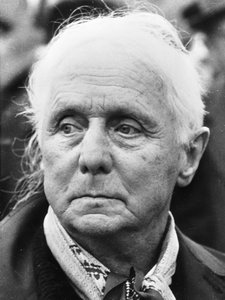
Макс Ернст (1891-1976) – геніальний художник та новатор супрематизму, що досліджував підсвідомість у своїх сюрреалістичних творах. Його техніки фроттаж, колажі та дивні образи вражають досі! #МаксЕрнст #Супрематизм
§ 3Коментар
A Surrealist Echo of Disillusionment
In the turbulent landscape of the early 20th century, few artists captured the fractured psyche of a post-war era as profoundly as Max Ernst. His 1929 masterpiece, Snow Flowers, serves as a mesmerizing portal into a world where the boundaries between reality and the subconscious dissolve. Born from the bitter ashes of World and I, the Dada movement—and subsequently Surrealism—sought to reject the rationalist dogmas that many believed had led humanity toward catastrophe. In this oil on canvas, Ernst does not merely depict a scene; he orchestrates an experiment in visual perception, inviting the viewer to wander through a dreamscape where organic forms and geometric fragments intertwine in a delicate, unsettling dance.
The composition of Snow Flowers is a masterclass in the beauty of chance. Eschewing the rigid constraints of traditional realism, Ernst employs a fragmented arrangement that feels both spontaneous and deeply intentional. Scattered across the canvas like relics from a forgotten dream are disparate elements: delicate flowers, textured mushrooms, weathered rocks, and even the haunting presence of a clock. This technique, rooted in the Dadaist embrace of spontaneity, mirrors the movement’s broader critique of structured thought. The muted, earthy tones that permeate the work lend it an aged patina, evoking a sense of nostalgia and decay that speaks to the collective disillusionment of a generation grappling with shifting moral frameworks and the fragility of existence.
Symbolism and the Language of Dreams
To gaze upon Snow Flowers is to engage in a decoding of symbols. The flora within the piece—particularly the budding flowers—acts as a poignant metaphor for nascent growth, yet they are inextricably linked to themes of inevitable decline. This juxtaposition of life and decay creates a tension that is central to Ernst’s vision. The inclusion of mushrooms and organic textures suggests a primal, subterranean world, one that exists beneath the veneer of civilization. Through these motifs, Ernst explores the concept of transformation, suggesting that within every end lies the seed of a new, albeit stranger, beginning.
The presence of the clock introduces an element of temporal anxiety, reminding the observer of the relentless passage of time and the ephemeral nature of all living things. For the discerning collector or interior designer, this painting offers more than mere decoration; it provides a profound intellectual and emotional anchor. The layered textures and the interplay of light and shadow create a tactile richness that invites close inspection, making it a compelling centerpiece for any modern or eclectic space. Whether placed in a quiet study or a bold contemporary gallery, Snow Flowers continues to resonate, offering an enduring sense of wonder, introspection, and the sublime beauty found within the irrational.
Питання та відповіді
Яке розміщення найкраще підходить для формату «Snow Flowers» роботи Макс Ернст?
Формат Квадрат для твору «Snow Flowers» роботи Макс Ернст рекомендовано розміщувати у Вітальня. Поєднання формату та простору допоможе вам ідеально підібрати місце для репродукції.
У якій кімнаті рекомендується розмістити «Snow Flowers», враховуючи її палітру?
Завдяки своїй палітрі Землисті відтінки, роботу «Snow Flowers» роботи Макс Ернст рекомендується розміщувати в Вітальня. Саме кольори є однією з причин такої поради.
Яку атмосферу додасть «Snow Flowers» вашому простору?
Безтурботний-атмосфера твору «Snow Flowers» роботи Макс Ернст ідеально пасує до рекомендованого простору: Вітальня.


 Перейти до друку


 Для творів мистецтва або репродукцій, розмір яких перевищує 105 см (приблизно 41 дюйм) з будь-якого боку, рама доставляється у вигляді розібраного комплекту. Такий метод гарантує безпечну доставку та запобігає пошкодженням під час транспортування.


