


 Переглянути в інтер'єрі
 Надіслати як листівку
 Поділитися
 Деталі витвору
 Посібник

 Завантажити
 Схожі екземпляри
 Рентгенівське дослідження
 Слайд-шоу
 Питання та відповіді
 Статистика
The Ordination


 Розгорнути текст
Гікле / Художній принт
Друк جيкле або на полотні музейної якості з оперативним виготовленням та різноманітними варіантами фінішної обробки. ( Замовити картину ручної роботи Перейти до цифрових зображень)




P118B ₴10

P118H ₴10

P118W ₴10

P438Z ₴10

P508JH ₴12

P508YH ₴12

P805H ₴10

P805Z ₴10

P919BZ ₴10

P919G ₴10

P919XJ ₴10

P959ZH ₴10

P968JZ ₴12

W106C ₴8

W218G ₴10

W218JH ₴8

W218Y ₴10

W307PJ ₴10

W316G ₴10

W316PJ ₴8

W316Y ₴10

W398PJ ₴8

W4111J ₴10

W500HY ₴15

W500JH ₴15

W692G ₴12

W849H ₴8

W940BG ₴15

W953PJ ₴8




Обирайте з наших стандартних розмірів, що відповідають оригінальним пропорціям твору мистецтва.

Введіть необхідну ширину та висоту, щоб принт ідеально підійшов до вашої рами або стіни. Принт можна лише обрізати, але не можна зробити більшим за оригінал, тому при зміні пропорцій частина зображення буде втрачена. Перед друком ми надсилаємо вам цифровий макет для затвердження. Зображення на цій сторінці не відображає реальну обрізку — її можна побачити лише на макеті.
Доставка по всьому світу () за 2 тижні замість стандартних 4/5 тижнів. (9 Листопад)

Безкоштовна експрес-доставка по всьому світу

Високоякісне лляне полотно

Повне страхове покриття доставки

Гарантія повернення митних зборів

Гарантія точного відтворення кольорів

Політика повернення протягом 100 днів (лише у разі виявлення дефектів)

Гарантія повернення 100% коштів

Пропозиція на оптові замовлення
 Скляний варіант доступний лише для розмірів до 110 см

The Ordination
Гікле / Художній принт
Розмір репродукції
-


Підсумкова вартість
₴ 2919
A Moment of Sacred Revelation: Exploring Nicolas Poussin’s “The Ordination”
Nicolas Poussin, a titan amongst French Baroque painters, possessed an uncommon ability to distill the grandeur of antiquity into canvases imbued with serene contemplation and profound spiritual resonance. Born in Le Havre in 1594, his formative years remain shrouded in some obscurity, yet they undeniably nurtured within him a lifelong fascination for classical ideals—a passion that would irrevocably shape his artistic trajectory. While he briefly dabbled in Parisian academic circles early in his career, absorbing influences from contemporaries like Bonnart and Celesti, it was his pilgrimage to Rome in 1624 that truly cemented his reputation as one of the era’s foremost masters. This wasn't merely a relocation; it was an immersion into the very bedrock of Western artistic tradition—a deliberate confrontation with the sculptures and frescoes of Michelangelo and Raphael—that would forge the distinctive aesthetic vision we recognize today.- Subject Matter: The painting depicts a solemn religious ceremony – specifically, the ordination of a priest. This pivotal moment symbolizes spiritual ascension and divine grace, central themes within Christian iconography.
- Style: Poussin’s work exemplifies Classicism, prioritizing clarity, balance, and idealized forms reminiscent of Greco-Roman sculpture. He eschewed the turbulent dynamism favored by Venetian painters like Titian for a deliberate restraint that conveys solemn dignity.
- Technique: Employing meticulous oil painting techniques—characterized by layered glazing and subtle tonal gradations—Poussin achieved an unparalleled level of realism while simultaneously elevating the scene to a realm of timeless beauty. His masterful handling of light creates an ethereal atmosphere, enhancing the spiritual significance of the depicted event.
Historical Context: Rome and the Renaissance Ideal
The painting’s creation coincided with the flourishing artistic fervor of Rome during the High Renaissance—a period marked by a renewed interest in classical art and philosophy. Poussin actively engaged with this intellectual climate, drawing inspiration from humanist ideals that championed reason and virtue. The depiction of Jesus surrounded by apostles reflects the theological preoccupations of the time, emphasizing faith, humility, and divine authority. Furthermore, the architectural backdrop—a stylized Roman temple—underscores the painting’s connection to the grandeur of antiquity and its aspiration to represent universal truths.Symbolism: Layers of Meaning Within Tranquility
“The Ordination” is replete with symbolic elements designed to communicate profound spiritual concepts. The central figure of Jesus, elevated in posture and radiating serenity, embodies divine compassion and leadership. The apostles kneeling before him signify submission to God’s will and the importance of ecclesiastical hierarchy. The book held aloft by one apostle symbolizes scripture—the Word of God—serving as a conduit for divine revelation. These carefully chosen symbols contribute to the painting's overarching message: the transformative power of faith and the sanctity of sacred ritual.Emotional Impact: A Vision of Heavenly Grace
Despite its restrained composition, “The Ordination” possesses an undeniable emotional resonance. The luminous quality of the light—characteristic of Poussin’s signature style—creates a sense of tranquility and spiritual illumination. Viewers are invited to contemplate the profound beauty inherent in religious devotion and to experience a glimpse of divine grace. This enduring masterpiece continues to captivate audiences centuries after its creation, demonstrating the timeless appeal of classical art's ability to convey universal human emotions.Further Exploration: Discover More About Nicolas Poussin
For a deeper understanding of Nicolas Poussin’s artistic legacy and his influence on subsequent generations of painters, explore resources such as Nicolas Poussin's Artist Database, Nicolas Poussin: Classicism, Allegory & Order in 17th-Century French Painting and Seven Sacraments (Poussin) - Wikipedia.
Питання та відповіді
Кольори у творі "The Ordination" виглядають насиченими чи ніжними?
Насиченість кольорів у творі «The Ordination» — Vivid. Насиченість описує, наскільки яскравими та виразними є кольори.
Хто є автором "The Ordination" і до якого художнього напряму він належить?
Автором твору "The Ordination" є Нікола Пуссен, що належить до течії Baroque Classicism.
Яке розміщення найкраще підходить для формату «The Ordination» роботи Нікола Пуссен?
Завдяки своїй формі Landscape, репродукція «The Ordination» чудово підійде для Living Room.
Схожі твори мистецтва


Біографія митця
Nicolas Poussin: A Life Steeped in Classical Reverie
Nicolas Poussin, a name synonymous with the grandeur of French Baroque painting, was nonetheless a soul deeply rooted in Italian soil for much of his artistic life. Born in Le Havre, Normandy, in June 1594, his early years remain somewhat veiled in mystery, yet they undoubtedly laid the foundation for a career that would become pivotal in shaping the classical tradition within French art. Though he briefly studied in Paris during the early 1610s, absorbing influences from lesser-known artists of the time, it was his journey to Rome in 1624 that truly ignited his artistic destiny. This wasn’t merely a geographical relocation; it was an immersion into the heart of antiquity, a pilgrimage to the very source of inspiration that would define his aesthetic vision. Poussin's initial forays into painting were marked by a sensuous quality reminiscent of Venetian masters like Titian, yet even in these early works, a nascent sense of order and intellectual rigor began to emerge—a foreshadowing of the style he would so masterfully refine.Early Artistic Development & Parisian Influences
Nicolas Poussin’s formative years were spent honing his craft in Le Havre, where he studied with Quentin Varin, a respected artist who instilled in him an appreciation for meticulous observation and skillful execution. His early paintings demonstrated a fascination with Venetian color palettes and techniques—a stylistic echo of the artistic fervor that characterized Venice at the time. However, even amidst this initial exuberance, Poussin’s burgeoning intellect recognized the limitations of purely decorative pursuits. He sought to elevate his art beyond mere visual spectacle, striving for a deeper engagement with philosophical concepts and historical narratives. His Parisian studies provided exposure to emerging trends in artistic thought, fostering connections with fellow artists who championed humanist ideals—a crucial step toward shaping his distinctive worldview.The Roman Years: Forging a Classical Ideal
Rome proved to be more than just a studio for Poussin; it became his intellectual crucible. He found himself amidst a vibrant circle of scholars, archaeologists, and fellow artists, notably Cassiano dal Pozzo, whose profound understanding of classical antiquity profoundly influenced the artist’s approach. Dal Pozzo's dedication to meticulously documenting ancient remains instilled in Poussin a deep respect for historical accuracy and a desire to imbue his paintings with a sense of timelessness. This period saw Poussin move away from the flamboyant exuberance of some of his contemporaries, instead embracing a style characterized by clarity, balance, and a deliberate emphasis on linear composition. He meticulously studied Raphael’s works, absorbing their harmonious arrangements and graceful forms—a formative experience that would shape his artistic sensibilities for decades to come. Simultaneously, he drew inspiration from ancient sculptures and literary sources like Ovid's *Metamorphoses*, recognizing the power of myth and allegory to convey profound truths about human existence.A Style Defined by Order & Harmony
Poussin’s distinctive style—a hallmark of French Classicism—was characterized by a remarkable restraint and precision. He eschewed dramatic gestures and emotional displays, favoring instead carefully constructed landscapes populated with idealized figures rendered in luminous colors. His compositions were governed by strict geometric principles—often employing pyramidal structures to convey stability and grandeur—reflecting the influence of Renaissance humanist thought. Unlike many Baroque painters who prioritized spectacle, Poussin sought to capture not merely what he saw but what he believed—a testament to his unwavering commitment to intellectual rigor and artistic integrity. His meticulous attention to detail—particularly in depicting drapery folds and architectural elements—demonstrated an unparalleled mastery of technique.Legacy & Influence: Shaping French Art
Despite spending the majority of his career abroad, Nicolas Poussin’s impact on French art was undeniable. He briefly returned to Paris in 1640 at the behest of Cardinal Richelieu, appointed as First Painter to the King—a position that afforded him considerable prestige and patronage but also imposed constraints upon his creative freedom. However, he soon retreated to Rome, where he continued to paint until his death in 1665—a final pilgrimage to the birthplace of Western art. His dedication to classical ideals served as a beacon for subsequent generations of French artists—influencing figures like Jacques-Louis David and Paul Cézanne who championed a similar aesthetic vision. Artists recognized Poussin’s profound understanding of humanist philosophy and his unwavering commitment to artistic excellence, securing his place as one of the most revered masters of French Baroque painting and establishing him as an enduring symbol of classical beauty and intellectual contemplation.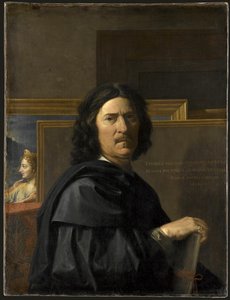
Нікола Пуссен
1594 - 1665 , Франція
Короткі факти
- Artistic Movement Or Style: Бароко, Класицизм
- Artists Or Movements Influenced By This Artist:
- Жак-Луї Давид
- П’єр Сезан
- Artists Who Influenced This Artist:
- Рафаель
- Тіціан
- Date Of Birth: 1594
- Date Of Death: 1665
- Full Name: Nicolas Poussin
- Nationality: Француз
- Notable Artworks:
- Зруйновання Єрусалимського Храму
- Веніс подає зброю Енейсу
- Хрещення Ісуса Христа
- Place Of Birth: Ле Havre, Франція
Пов'язані статті

Baroque Classicism: A Professional Guide to Integrating Timeless Grandeur into Luxury Hotel Interiors
Elevate luxury hospitality with Baroque Classicism. Our guide for hotel designers explores integrating grand, classical oil reproductions into professional interiors. Discover efficient bulk procurement, custom sizing, and large-format murals to create timeless, high-impact spaces.


