


 Переглянути в інтер'єрі
 Надіслати як листівку
 Поділитися
 Деталі витвору
 Посібник

 Завантажити
 Схожі екземпляри
 Рентгенівське дослідження
 Слайд-шоу
 Статистика
Last Supper
 Oil On Canvas
- WallArt
- Baroque Renaissance
 1585
1585- Renaissance
 220.0 x 523.0 cm
 Пінакотека ді Брера
 Розгорнути текст
Придбайте цифрову копію високої роздільної здатності з покращеною якістю, що значно перевершує онлайн-перегляд.
Кожен файл ретельно підготовлений нашими фахівцями за допомогою сучасних інструментів та професійної ручної ретуші. Ми гарантуємо виняткову чіткість, точну передачу кольору та високу деталізацію кожного зображення.
Фінальний файл надсилається електронною поштою протягом 72 годин і оптимізований для негайного використання у професійних виданнях та друкованих матеріалах. Таку якість обирають провідні дизайнерські студії, видавництва та галереї.
Цифрове зображення
Завантажте файл високої роздільної здатності для особистого використання, друку та творчих проєктів. ( Перейти до друку Замовити картину ручної роботи)
Переваги кожного замовлення цифрових зображень
Експертна цифрова доставка з гарантією якості
Обираючи AllPaintingsStore.com, ви отримуєте не просто зображення — ви отримуєте професійно вдосконалений цифровий витвір мистецтва, створений з надзвичайною точністю та підкріплений гарантією задоволення. Ось усе, що автоматично додається до вашого замовлення:

Швидка доставка на email
Ваш цифровий файл із зображенням високої роздільної здатності буде надісланий вам електронною поштою протягом 72 годин після оформлення замовлення — він буде готовий до негайного використання.

Цифровий файл із покращенням ШІ
Ваш витвір мистецтва професійно оптимізовано за допомогою передових інструментів штучного інтелекту та ручної корекції, що забезпечує максимальну деталізацію, чіткість і точність передачі кольорів.

Безкоштовне повторне завантаження назавжди
Випадково видалили або втратили файл? Не хвилюйтеся — ми надішлемо його вам повторно в будь-який час безкоштовно.

Без митних зборів — завжди
Насолоджуйтесь вашим витвором мистецтва миттєво без жодних мит, зборів або плати за доставку — цифрові завантаження завжди не оподатковуються.

Гарантія точності кольорів
Ми гарантуємо максимально точне відтворення оригінальних кольорів на вашому цифровому зображенні завдяки використанню професійних інструментів та систем управління кольором.

100-денна гарантія задоволення
Якщо ви не задоволені придбаним цифровим зображенням, ми внесемо правки або повернемо 100% вартості протягом 100 днів — без зайвих запитань.

Гарантія повернення 100% коштів
Незадоволені покупкою? Отримайте повне повернення коштів протягом 100 днів після отримання цифрового файлу — без зайвих запитань.

Знижки на оптові замовлення
Купуйте 3 зображення — заощаджуйте 10% — Купуйте 5 — заощаджуйте 15% — Купуйте 10+ — заощаджуйте 20%. Чудово підходить для творчих проєктів, галерей та агентств.
A Gathering Amidst the Splendor
The air within the room feels heavy with the weight of a shared moment, yet the scene pulses with an unexpected energy. Around a long, expansive table, Jesus and his twelve apostles are gathered, caught in a state of lively motion. Some figures lean forward, their faces etched with the intensity of the conversation, while others stand nearby, drifting through the periphery of the central group. It is a crowded, bustling assembly where the sacred meets the everyday. Men and women move through the space, dressed in fabrics that catch the light, their clothing detailed with such precision that one can almost sense the texture of the heavy silks and fine linens. The table itself is a landscape of abundance, cluttered with multiple cups, bowls, and the silver glint of forks and knives, suggesting a feast that is as much about physical presence as it is about spiritual significance.
In the background, the scene stretches further than the eye first perceives. A smaller dining table sits in the distance, accompanied by a solitary chair, hinting at a larger world existing just beyond this immediate circle of disciples. This depth creates an illusion of a vast, architectural space, pulling the viewer into the very heart of the feast. The atmosphere is far from somber; instead, it carries the hum of a social gathering, where voices overlap and eyes meet in silent understanding.
The Drama of Light and Color
Every brushstroke contributes to a sense of theatrical grandeur. The artist employs a palette that feels luminous, using light to define the folds of a sleeve or the curve of a ceramic bowl. There is a deliberate use of color that brings a sense of life to the skin tones and the surrounding architecture. This technique does more than merely depict a scene; it creates a stage where every figure possesses their own weight and importance. The way the light falls across the table, illuminating the utensils and the edges of the plates, directs the eye through the complex arrangement of bodies.
The composition relies on a careful balance of movement and stillness. While the central figures anchor the painting, the surrounding crowd provides a rhythmic flow that prevents the scene from feeling static. This approach to oil on canvas allows for a richness of texture, where the shadows feel deep and the highlights appear almost tactile. The sheer scale of the work—stretching over five meters in width—demands that the viewer move along with the figures, following the gaze of an apostle or the gesture of a standing guest. It is a painting that breathes, capturing a single, suspended moment of human connection amidst a sea of movement and light.
Питання та відповіді
Який формат і орієнтацію друку рекомендується для «Last Supper» роботи Паоло Веронезе?
Для репродукції «Last Supper» роботи Паоло Веронезе рекомендується розмір Large з орієнтацією Panoramic.
Для чого рекомендується використовувати репродукцію «Last Supper» роботи Паоло Веронезе?
Репродукція твору «Last Supper» роботи Паоло Веронезе рекомендована для Accent. Ця пропозиція ґрунтується на сюжеті, настрої та кольоровій гамі роботи.
Чи дозволяє авторське право на «Last Supper» роботи Паоло Веронезе створення репродукцій?
Статус авторського права на «Last Supper» роботи Паоло Веронезе є чітким: цей твір перебуває у є суспільним надбанням — термін дії авторського права закінчився. Його перебування в Пінакотека ді Брера не змінює цього статусу.
Схожі твори мистецтва


Біографія митця
A Venetian Visionary: The Life and Art of Paolo Veronese
Paolo Caliari, known to the world as Paolo Veronese, emerged from the vibrant artistic landscape of 16th-century Venice as a master of color, composition, and opulent spectacle. Born in Verona in 1528, the son of a stonecutter, his early life was steeped in the visual richness of his surroundings – the classical architecture, sculpted forms, and burgeoning humanist ideals that characterized the region. His initial training under Antonio Badile and Giovanni Francesco Caroto laid a foundation in traditional techniques, but it was his move to Venice in the 1550s that truly ignited his artistic genius. The city itself became his muse, its bustling marketplaces, grand palazzi, and shimmering waterways informing the scale and drama of his work. He quickly absorbed the influences of established Venetian masters like Titian, whose mastery of color profoundly impacted Veronese’s palette, yet he forged a distinct style characterized by an unparalleled sense of theatricality and grandeur.The Painter of Feasts and Grand Narratives
Veronese's reputation rests upon his monumental paintings, particularly those depicting lavish feasts and biblical scenes transformed into dazzling displays of Venetian life. The Wedding at Cana, completed in 1563 for the Benedictine monastery of San Giorgio Maggiore, stands as a testament to his skill. This colossal canvas isn’t merely an illustration of the miracle; it's a vibrant panorama of 16th-century society, teeming with elegantly dressed figures, musicians, and architectural details rendered with breathtaking precision. The painting is not just about what happened at Cana but *how* it would have looked if it had occurred in Venice during Veronese’s time – a remarkable feat of historical imagination. Similarly, The Feast in the House of Levi, originally titled The Last Supper, caused controversy with the Inquisition due to its inclusion of contemporary figures and a seemingly irreverent atmosphere. Veronese defended his artistic license, asserting that painters were entitled to the same creative freedom as poets and jesters – a bold statement reflecting his belief in art’s power to interpret and reimagine sacred narratives. These works weren't simply religious depictions; they were celebrations of life, wealth, and the splendor of Venice itself. He wasn’t interested in austere spirituality but rather in capturing the joy and abundance of existence. His ability to seamlessly blend historical accuracy with imaginative embellishment set him apart from many of his contemporaries.Influences and Artistic Development
While Titian’s influence on Veronese’s colorism is undeniable, his artistic development was a complex interplay of various influences. The architectural precision he brought to his compositions owes much to the classical tradition prevalent in Verona during his formative years, particularly the work of architects like Michele Sanmicheli. He also absorbed elements from Central Italian masters such as Raphael and Parmigianino, evident in the graceful lines and harmonious arrangements within his paintings. However, Veronese didn’t simply imitate these influences; he synthesized them into a uniquely Venetian style characterized by its dramatic use of light, vibrant color palettes, and meticulous attention to detail. He excelled at creating illusions of space and depth, employing perspective techniques to draw viewers into the heart of his elaborate scenes. His mastery of oil painting allowed him to achieve an unparalleled luminosity and richness of texture. He also ran a large workshop, with contributions from his brother Benedetto and sons Gabriele and Carlo (or 'Carletto'), ensuring that his style continued to flourish even after his death in 1588.Major Achievements and Notable Works
Veronese’s career was marked by a succession of ambitious and influential commissions. His decoration of the Venetian church of S. Sebastiano between 1555 and around 1570 is considered one of his most significant achievements, showcasing his mastery of color and composition. The ceiling paintings for the library of S. Marco (1556–57) and the Ducal Palace (early 1550s and 1575–82) further cemented his reputation as a leading Venetian artist. Perhaps most famously, he created the *Feast in the House of Levi* (originally *The Last Supper*) for the Benedictine monastery of San Giorgio Maggiore, a monumental work that pushed the boundaries of artistic convention and sparked controversy with the Inquisition. His depictions of mythological subjects, such as *Venus and Adonis*, also demonstrate his versatility and technical skill. Throughout his career, Veronese consistently produced works of exceptional scale and grandeur, solidifying his place among the most celebrated artists of the Venetian Renaissance.Legacy and Historical Significance
Paolo Veronese’s impact extends far beyond the realm of Renaissance art. His work has resonated through centuries, inspiring artists across various disciplines. His dramatic compositions and vibrant color schemes have been cited as influences on everything from Baroque painting to modern cinema – even finding echoes in the visual aesthetics of Spaghetti Westerns. He was part of the “great trio” of Venetian painters—alongside Titian and Tintoretto—each contributing uniquely to the city’s artistic legacy, yet Veronese often stands apart for his sheer exuberance and celebration of earthly pleasures. His paintings continue to captivate audiences with their grandeur and spectacle, offering a glimpse into the opulent world of 16th-century Venice.- He redefined historical painting by imbuing it with contemporary life.
- His use of color remains influential for artists today.
- His work embodies the spirit of Renaissance humanism and celebration of earthly beauty.
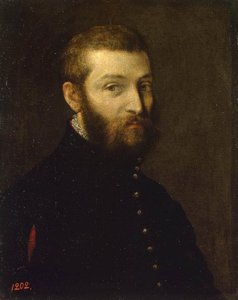
Паоло Веронезе
1528 - 1588 , Італія
Короткі факти
- Artistic Movement Or Style: Ренесанс, Маньєризм
- Artists Or Movements Influenced By This Artist: ['Манерес']
- Artists Who Influenced This Artist: ['Тіціан']
- Date Of Birth: 1528
- Date Of Death: 1588
- Full Name: Паоло Веронезе
- Nationality: Італійський
- Notable Artworks:
- Сніданок при Кана
- Обід у будинку Леві
- Place Of Birth: Верона, Італія

