

1952. Acrylic On Canvas.

§ 1Дані каталогу


Цей твір захищено авторським правом
Мистецький твір, представлений на цій сторінці, захищений законом про авторське право, що унеможливлює легальне створення або продаж його ідентичної репродукції. Цей захист забезпечується відповідно до міжнародних угод, таких як Бернська конвенція та національним законодавством, зокрема положеннями, що викладені в Законодавство США про авторське право — Розділ 17. Всі права захищені. Будь-яке використання без дозволу заборонено.
Як шанобливу та законну альтернативу, ми пропонуємо унікальні картини ручної роботи, створені натхненням від оригіналу. Наші досвідчені професійні художники ретельно вивчають стиль, настрій та художню сутність оригіналу, щоб створити новий, неповторний твір, який викликає ті ж почуття, — залишаючись при цьому самобутнім творінням.
Цей метод повністю відповідає нормам авторського права, оскільки він не передбачає копіювання чи дублювання захищеного твору мистецтва. Натомість це творче переосмислення — створення нового малюнка під впливом оригіналу, який не є його точним відтворенням.
 Читати далі
§ 2Абстракція
Опис експоната
Біографія митця
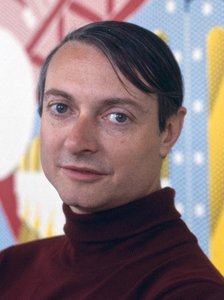
Рой Ліхтенштейн (1923-1997): піонер Поп-арту, відомий точками Бен-Дей, натхненням стали комікси та гострий коментар про споживання. Дивіться 'Whaam!' & більше.
§ 3Коментар
A Cherokee Brave by Roy Lichtenstein: Decoding Pop Art’s Bold Narrative
Roy Lichtenstein's "A Cherokee Brave," painted in 1952, stands as a cornerstone of American Pop Art—a movement that irrevocably challenged the conventions of fine art and embraced imagery derived from popular culture. More than just a visually striking composition featuring birds and cats, this artwork embodies Lichtenstein’s meticulous approach to translating comic strip aesthetics into monumental canvases, offering a profound commentary on visual language and societal anxieties of the mid-century era.The Comic Strip Influence: A Formal Innovation
At its core, Lichtenstein's technique—characterized by Ben-Day dots—directly borrows from halftone printing processes used in newspaper comics. These dots create an illusion of shading and texture, mimicking the printed image with remarkable accuracy. This stylistic choice wasn’t merely decorative; it was a deliberate rejection of traditional oil painting methods, signaling a decisive break from artistic traditions rooted in realism. The artist meticulously recreated the visual language of comic strips—bold outlines, simplified forms, and vibrant colors—transforming familiar motifs into powerful statements about perception and representation.Symbolism Within Simplicity: Birds, Cats, and Narrative Tension
The painting’s imagery is deceptively straightforward. Two birds perched atop each other convey a dynamic relationship – one larger dominates the scene, suggesting hierarchy or perhaps vulnerability. The presence of three cats adds another layer of complexity, their watchful gaze hinting at observation and potentially unease. These animals aren't merely decorative elements; they contribute to an unspoken narrative tension—a subtle suggestion of conflict or interaction that resonates beyond the literal depiction. Lichtenstein’s masterful use of visual cues invites contemplation about themes of dominance, vulnerability, and the anxieties inherent in everyday life.Historical Context: Postwar America and Artistic Rebellion
“A Cherokee Brave” emerged during a period of significant social and cultural upheaval following World War II. The postwar era witnessed an explosion of consumer culture and mass media—influences that profoundly impacted artistic sensibilities. Lichtenstein’s embrace of Pop Art reflected this broader societal shift, aligning with the burgeoning interest in vernacular imagery and rejecting the elitism associated with Abstract Expressionism. By appropriating comic strip conventions, Lichtenstein positioned himself as a provocateur, questioning established artistic hierarchies and engaging in dialogue with the anxieties of his time—a conversation that continues to captivate audiences today.Emotional Impact: Bold Color Palette and Visual Rhythm
The painting’s vibrant color palette – predominantly reds, yellows, and blues – amplifies its emotional impact. Lichtenstein deliberately avoids nuanced shading or expressive brushstrokes, prioritizing visual rhythm and clarity. This stylistic decision serves not only to reproduce the comic strip aesthetic but also to convey a sense of immediacy and excitement. The bold colors and simplified forms contribute to an overall feeling of dynamism—a deliberate attempt to capture the energy and pace of modern life. “A Cherokee Brave” remains a testament to Lichtenstein’s ability to distill complex ideas into visually arresting images, leaving viewers with a lingering impression of both beauty and intellectual engagement.Питання та відповіді
Яка сприймається яскравість твору «A Cherokee Brave» роботи Рой Ліхтенштейн?
За рівнем сприйнятої яскравості, «A Cherokee Brave» роботи Рой Ліхтенштейн є bright.
Чи можу я скористатися доповненою реальністю, щоб побачити «A Cherokee Brave» роботи Рой Ліхтенштейн у своїй кімнаті?
Сторінка Перегляд в AR для твору «A Cherokee Brave» роботи Рой Ліхтенштейн використовує технологію доповненої реальності, щоб показати витвір у вашому власному просторі за допомогою сумісного пристрою.
Під якими ще іменами відомий Рой Ліхтенштейн?
Рой Ліхтенштейн також відомий/відома під іменами Рой Ф. Ліхтенштейн.


 Перейти до друку


 Для творів мистецтва або репродукцій, розмір яких перевищує 105 см (приблизно 41 дюйм) з будь-якого боку, рама доставляється у вигляді розібраного комплекту. Такий метод гарантує безпечну доставку та запобігає пошкодженням під час транспортування.


