


 Переглянути в інтер'єрі
 Надіслати
 Поділитися
 Деталі
 Посібник

 Завантажити
 Схожі предмети колекціонування
 Рентгенівське дослідження
 Слайд-шоу
 Статистика переглядів
Judith's Return to Bethulia


 Читати далі
Олійная репродукція ручної роботи
Написана вручну олією на полотні у вашому розмірі та рамі, виготовлена на замовлення нашими художниками. ( Перейти до друку Перейти до цифрових зображень)




P118B ₴10

P118H ₴10

P118W ₴10

P438Z ₴10

P508JH ₴12

P508YH ₴12

P805H ₴10

P805Z ₴10

P919BZ ₴10

P919G ₴10

P919XJ ₴10

P959ZH ₴10

P968JZ ₴12

W106C ₴8

W218G ₴10

W218JH ₴8

W218Y ₴10

W307PJ ₴10

W316G ₴10

W316PJ ₴8

W316Y ₴10

W398PJ ₴8

W4111J ₴10

W500HY ₴15

W500JH ₴15

W692G ₴12

W849H ₴8

W940BG ₴15

W953PJ ₴8




Обирайте з наших стандартних розмірів, що відповідають оригінальним пропорціям твору мистецтва.

Введіть необхідну ширину та висоту, щоб картина підійшла до вашої рами або стіни. Оскільки це ручний розпис, для розміру іншої форми художник може написати трохи більше навколо картини або трохи обрізати її — вибір за вами. Перед початком роботи ми надішлемо вам цифровий макет для затвердження. Зображення, показане на цій сторінці, не є реальним результатом — лише макет відображає майбутній вигляд.
Після оформлення замовлення команда AllPaintingsStore.com зв'яжеться з клієнтом електронною поштою для отримання інструкцій та надасть попередній макет
Доставка по всьому світу () за 3–4 тижні замість стандартних 5 тижнів. (24 Жовтень). Без жодних компромісів у якості.

Безкоштовна експрес-доставка по всьому світу

Високоякісне лляне полотно

Повне страхове покриття доставки

Гарантія повернення митних зборів

Гарантія точного відтворення кольорів

Політика повернення протягом 100 днів (лише у разі виявлення дефектів)

Гарантія повернення 100% коштів

Знижка на оптові замовлення
 Скляний варіант доступний лише для розмірів до 110 см

Judith's Return to Bethulia
Техніка репродукції
Розмір репродукції
-


Загальна вартість
₴ 11578
A Triumph of Female Resolve: Botticelli’s *Judith’s Return to Bethulia*
Sandro Botticelli's Judith’s Return to Bethulia , painted around 1472 and currently residing within the hallowed halls of the Uffizi Gallery in Florence, is more than just a depiction of a biblical narrative; it’s a potent distillation of Renaissance ideals – courage, faith, and the enduring strength of women. This small-format tempera on panel offers an intimate glimpse into a pivotal moment: Judith's triumphant return to Bethulia bearing the severed head of Holofernes, the Assyrian general she had so cleverly deceived. Botticelli’s masterful handling of light and shadow, coupled with his signature graceful lines, elevates this scene beyond mere illustration, transforming it into a compelling meditation on victory and resilience.
The painting immediately draws the eye to Judith herself, rendered as a figure of remarkable composure amidst apparent chaos. Her face, subtly reminiscent of the central figure in Botticelli’s earlier *Fortitude* (1470), hints at a shared psychological depth – a quiet determination beneath an outward serenity. She carries the head of Holofernes within a simple sack, a stark symbol of her power and the subjugation of tyranny. Beside her stands Susanna, equally dignified, offering support and perhaps a reflection on their shared victory against adversity. The forest setting, rendered with atmospheric perspective, adds to the sense of drama and isolation, emphasizing Judith’s journey from danger to triumph.
The Renaissance Palette and Botticelli's Technique
Botticelli’s early style is evident in his use of tempera on panel – a technique favored for its luminous colors and ability to retain detail. The palette is rich yet restrained, dominated by earthy tones—ochres, browns, and deep reds—contrasting sharply with the pale flesh of the women. Notice how Botticelli employs *sfumato*, a subtle blurring of lines and edges, particularly around Judith’s face, creating an ethereal quality that softens her features while simultaneously emphasizing her strength. The meticulous rendering of fabric – the sack, Susanna's cloak – demonstrates Botticelli’s dedication to anatomical accuracy and his keen observation of the natural world.
Interestingly, the painting reveals influences from artists like Antonio del Pollaiolo and Mantegna, both known for their dramatic compositions and expressive figures. Botticelli seems to have absorbed elements of their style while maintaining a distinctly personal vision. The dynamic pose of Judith, holding aloft the head of Holofernes, echoes the heroic gestures found in earlier Renaissance art, but Botticelli imbues it with a uniquely human vulnerability.
Symbolism and Biblical Narrative
The story of Judith is steeped in symbolism. Judith herself represents Jewish courage and faith in the face of overwhelming odds. Her deception of Holofernes highlights the power of intelligence and strategic thinking as weapons against brute force. The sack containing the head symbolizes not just victory, but also a warning to all who would threaten the Israelites. It’s a potent reminder that even the most formidable enemies can be overcome through cunning and divine assistance.
Beyond the immediate narrative, *Judith’s Return to Bethulia* speaks to broader Renaissance themes of virtue, honor, and the role of women in society. In an era where female figures were often relegated to passive roles, Botticelli presents Judith as a proactive agent of change – a warrior queen who secures her people's freedom through her own actions. The painting’s enduring appeal lies in its ability to resonate with viewers across centuries, offering a timeless celebration of female strength and resilience.
Bringing Botticelli Home: High-Quality Reproductions
Botticelli’s *Judith’s Return to Bethulia* is a cornerstone of the Italian Renaissance. At AllPaintingsStore.com , we are proud to offer meticulously crafted, hand-painted oil painting reproductions that capture the essence and beauty of this iconic masterpiece. Our skilled artisans utilize traditional techniques and archival-quality materials to create faithful representations that will grace your home or office with Botticelli’s genius. Whether you're an art enthusiast, a collector, or simply seeking to add a touch of Renaissance elegance to your space, our reproductions provide an accessible and authentic way to experience the power and artistry of this remarkable painting.
Запитання та відповіді
Чи можу я замовити олійну репродукцію «Judith's Return to Bethulia»?
Ви можете замовити написану вручну репродукцію твору «Judith's Return to Bethulia» Сandro Боттічеллі безпосередньо на його сторінці Репродукція ручного письма: репродукція олією ручного розпису на лляному полотні, під замовлення.
Як описують палітру «Judith's Return to Bethulia» Сandro Боттічеллі?
Палітра «Judith's Return to Bethulia» Сandro Боттічеллі описується як Землисті відтінки. Це стислий опис кольорів твору.
Хто є автором твору "Judith's Return to Bethulia"?
«Judith's Return to Bethulia» приписують Сandro Боттічеллі.
Схожі твори мистецтва


Біографія митця
Early Life and Florentine Beginnings
Sandro Botticelli, народжений Alessandro di Mariano di Vanni Filipepi близько 1445 року у Флоренції, Італія, з’явився на тлі виняткового культурного підйому – раннього Ренесансу. Його життя тісно переплетене з мистецьким та соціальним життям міста; він ніколи не віддалявся далеко від свого району Огноссанти, що свідчить як про сімейні зв’язки, так і про жваву творчу екосистему, яка виховала його. Його батько, Маріано Філіпепі, спочатку золотій майстер, а пізніше дермантент, забезпечив раннє знайомство з ремеслом та увагою до деталей – якості, які глибоко вплинули на мистецький підхід Botticelli. Хоча спочатку повідомлялося про навчання у золотоварстві, він незабаром знайшов своє покликання під керівництвом Фра Філіппо Ліппі, провідного художника того часу. Це стажування виявилося вирішальним, зануривши його в техніки та естетику флорентійської школи, а також пов’язавши його з впливовими патронами, такими як родина Медічі.A Style Defined by Grace and Myth
Мистецький стиль Botticelli миттєво розпізнається своєю ліричною красою, що характеризується елегантною лінійною симетрією, плавною контурами та делікатним використанням кольорів. Він майстерно з’єднав пізньоготичні традиції з розвитком Ренесансу, поглинаючи впливи таких майстрів, як Фра Анжело та Паоло Учелло, але формуючи своє унікальне бачення. Його фігури мають ефірну якість, часто зображені з витягнутими пропорціями та граційними поставами, що передають як спокій, так і ледь помітне меланхолійне відчуття. Визначною особливістю його робіт є часте використання класичної міфології – відображення гуманістичних інтересів, які ширилися у Флоренції Ренесансу. Він не просто ілюстрував ці давні історії; він наповнював їх новими шарами сенсу, досліджуючи теми любові, краси та духовного прагнення. Botticelli’s technique was innovative for his time. He often employed a silverpoint drawing method underpainting his canvases, contributing to the luminosity and delicate detail seen in his finished works. His use of tempera paint allowed for precise rendering and vibrant colors, while his later experiments with oil paints broadened his expressive possibilities.Iconic Masterpieces and Artistic Development
Наследяність Botticelli спирається на кілька іконних картин, які й досі захоплюють аудиторії протягом століть. **The Birth of Venus**, створена приблизно в 1486 році, є, мабуть, його найвідомішою роботою – алегоричне зображення богині, що виходить з раковини, символізуючи ідеали Ренесансу краси та гармонії. Її елегантна композиція, делікатна палітра кольорів та емоційна символіка зробили її незмінним символом епохи. Не менш знаменита **Primavera**, створена приблизно в 1482 році, складна та загадкова картина, що відзначає весну та кохання, населена символічними фігурами з класичної міфології. Ці твори демонструють майстерність Botticelli у композиції, його здатність створювати атмосферну глибину та глибоке розуміння людських емоцій. Його мистецький шлях розгортався в чітких фазах. Ранні 1470-ті роки були присвячені релігійним сюжетам, коли він удосконалював свої технічні навички та закладав собі репутацію майстра виконання. 1480-ті роки позначилися піком його творчого потенціалу, з створенням найвідоміших міфологічних картин. Однак пізні 1490-ті роки стали свідченням зміни в його стилі, під впливом реготу Girolamo Savonarola – домініканського ченця, який засуджував те, що він бачив як декаданс і моральну деградацію Флоренції. Цей період призвів до створення більш суворих та емоційно насичених робіт, відображаючи зростаючу духовну інтенсивність.Major Works
- The Birth of Venus (c. 1486): An iconic depiction embodying Renaissance ideals of beauty.
- Primavera (c. 1482): A complex allegorical painting celebrating spring and love.
- Adoration of the Magi (1475-1476): Demonstrates early mastery of composition and perspective.
- Mystic Nativity (1501): Reflects a shift towards spiritual themes in his later career.
Legacy and Rediscovery
Після смерті в 1510 році Botticelli його репутація поступово згасла, будучи відкинутою на майже три століття, затьмареною досягненнями майстрів епохи Ренесансу. Однак у кінці 19-го століття відбулася вражаюча переоцінка, завдяки виникненню Прерафаелітів – групи англійських художників та поетів, які відкинули академічні традиції та шукали натхнення в мистецтві раннього Ренесансу. Вони були зачаровані лінійним шармом Botticelli, його яскравими кольорами та поетичним баченням. Його творчість була визнана як щось близьке до їхніх власних. Ця нова оцінка призвела до широкого переосмислення його робіт, встановивши його як одного з найважливіших художників раннього Ренесансу. Сьогодні Botticelli шанується за своє унікальне мистецьке бачення, майстерність та здатність викликати красу, емоції та духовне роздумування. Його вплив можна побачити в наступних поколіннях митців, які прагнули передати той самий почуття елегантності та граційності у своїх власних роботах. Він залишається символом мистецьких досягнень Флоренції та свідченням сили гуманістичних ідей Ренесансу.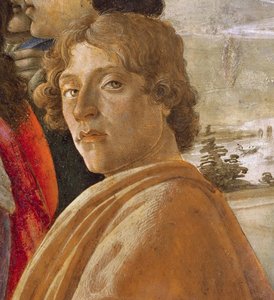
Сandro Боттічеллі
1445 - 1510 , Італія
Довідкова інформація
- Artistic Movement Or Style: Ранній Ренесанс
- Artists Or Movements Influenced By This Artist: ['Пре-рафаелисти']
- Artists Who Influenced This Artist:
- Фра Филиппо Липпі
- Паоло Учелло
- Date Of Birth: 1445
- Date Of Death: 1510
- Full Name: Alessandro di Mariano Filipepi
- Nationality: Італійський
- Notable Artworks:
- Народження Венеры
- Весна
- Моління Марії
- Place Of Birth: Флоренція, Італія
Схожі статті

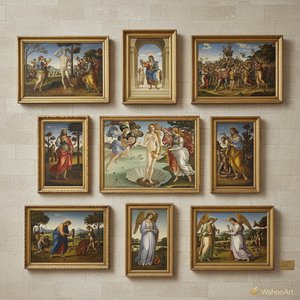
Топ-25 шедеврів Сандро Боттічеллі: мистецтво Відродження для вашого дому | AllPaintingsStore
Відкрийте для себе 25 шедеврів Сандро Боттічеллі! Дослідіть історії створення "Народження Венери", "Весни" та інших культових картин Відродження. Репродукції високої якості для вашого дому – AllPaintingsStore.
Топ-10 шедеврів Ренесансу: мистецтво, що змінили світ | AllPaintingsStore.com
Відкрийте для себе 10 шедеврів Ренесансу від Леонардо да Вінчі, Рафаеля та Мікеланджело! Історія мистецтва, техніки живопису та натхнення для вашого дому. Репродукції картин високої якості – AllPaintingsStore.com
Топ-25 шедеврів Уффіці: Відродження в мистецтві для вашого дому | AllPaintingsStore
Відкрийте для себе 25 шедеврів Уффіці, Флоренція! Історія Леонардо да Вінчі, Боттічеллі та Рафаеля. Репродукції картин онлайн – натхнення для вашого дому від AllPaintingsStore.com.

Illuminating Faith: Biblical Scenes & Their Enduring Legacy in Art History
Explore the profound history of biblical art! Discover Renaissance masterpieces by Giotto & more. Uncover symbolism, artistic techniques, and lasting influence. Expert insights at AllPaintingsStore.

Illuminating Faith: Biblical Narrative & Artistic Expression Through the Ages
Explore the rich history of biblical art from Giotto to the Renaissance masters with AllPaintingsStore. Discover symbolism, techniques & enduring legacies. Museum-quality reproductions & expert insights.


