


 Переглянути в інтер'єрі
 Надіслати як листівку
 Поділитися
 Детальніше

 Завантажити
 Схожі експонати
 Рентгенівське дослідження
 Слайд-шоу
Purgatory

 Читати далі
Гікле / Художній принт
Музейна якість друку جيкле або на полотні з оперативним виготовленням та різноманітними варіантами фінішної обробки. ( Замовити репродукцію ручної роботи Купити цифрове зображення)




































Обирайте з наших стандартних розмірів, що відповідають оригінальним пропорціям твору мистецтва.

Ви можете вказати власні розміри, щоб репродукція ідеально підійшла до конкретної рами або інтер'єру. Якщо обраний вами розмір не відповідає пропорціям оригіналу, ми або обріжемо полотно, або розширимо зображення за допомогою дзеркального відображення чи суцільної заливки країв. Перед початком виробництва вам буде надіслано цифровий макет для затвердження.
Будь ласка, зверніть увагу, що попередній перегляд на екрані не відображає фактичне обрізання або розширення. Тільки макет точно покаже фінальну композицію.
Хоча можливість замовлення індивідуальних розмірів доступна, ми рекомендуємо обирати формат із попередньо визначеного списку, щоб зберегти оригінальні пропорції.
Доставка по всьому світу () за 2 тижні замість стандартних 4/5 тижнів. (23 Серпень)

Безкоштовна експрес-доставка по всьому світу

Високоякісне лляне полотно

Повне страхове покриття доставки

Гарантія відшкодування митних зборів

Гарантія точного відтворення кольорів

Політика повернення протягом 60 днів (лише у разі виявлення дефектів)

Гарантія повернення 100% коштів

Пропозиція на оптові замовлення
 Скляний варіант доступний лише для розмірів до 110 см

Purgatory
Гікле / Художній принт
Розмір репродукції
-


Підсумкова вартість
$ 64
Опис експоната
Botticelli's Vision of Purgatory: A Detailed Study
The preparatory drawing for Botticelli’s depiction of Purgatory stands as a remarkable testament to the artist’s meticulous observation and masterful execution—a window into the creative process behind one of Renaissance art’s most iconic images. Executed in pen and ink on paper, this study transcends mere technical demonstration; it embodies Botticelli's signature style, infused with humanist ideals and steeped in theological contemplation. It offers invaluable insight into how he envisioned Dante Alighieri’s harrowing journey through the afterlife, capturing not just the visual elements but also the profound spiritual atmosphere of purgatorial torment.Composition and Spatial Arrangement
Botticelli’s compositional strategy prioritizes conveying a sense of hierarchy and movement within the confines of a relatively small surface area. The drawing depicts Purgatory as a layered landscape—a tiered structure ascending towards heaven—populated by figures engaged in various stages of purification. At the uppermost level, a group of saints observes the scene below, symbolizing divine judgment and guiding souls toward salvation. Central to the composition is a monumental edifice adorned with intricate architectural details, representing purgatorial purgatories where penitents confront their sins and strive for redemption. Below this dominant structure sprawl undulating plains populated by tormented souls—a chaotic yet purposeful arrangement designed to communicate the arduous process of spiritual cleansing. The artist skillfully utilizes perspective to create depth and convey the overwhelming scale of purgatory’s expanse.Technique: Linearity and Shading – Botticelli's Signature Style
Botticelli’s technique is characterized by an unwavering commitment to linear precision—a hallmark of Florentine disegno, or drawing—combined with subtle shading to achieve remarkable realism. The artist employs hatching and cross-hatching extensively to render form and volume, capturing the textures of drapery, stone, and flesh with astonishing accuracy. Fine lines delineate anatomical features and clothing folds, demonstrating Botticelli’s profound understanding of human anatomy gleaned from his studies at Vesuvian Medical School. Furthermore, he skillfully manipulates tonal variations—ranging from pale grey to darker shades—to simulate light and shadow, creating a palpable sense of atmosphere and conveying the emotional intensity of the scene. The meticulous attention to detail reflects Botticelli's belief in disegno as the foundation for painting, ensuring that any subsequent fresco would possess an unparalleled level of expressive power.Historical Context: Dante’s Inferno and Renaissance Theology
Botticelli’s drawing emerged from a fervent intellectual climate dominated by Dante Alighieri’s *Inferno*, published in 1308—a seminal work of medieval literature that profoundly influenced artistic sensibilities. Dante's depiction of Hell captivated the imagination of artists and intellectuals alike, prompting them to explore themes of morality, sin, and divine retribution. Botticelli’s commission to depict Purgatory for Lorenzo de Medici—the Magnificent—underscored the importance of humanist ideals within Florentine culture. The Renaissance preoccupation with classical antiquity fueled a renewed interest in human anatomy and proportion, informing Botticelli's artistic endeavors. Moreover, theological considerations shaped his interpretation of purgatorial torment—representing not merely physical suffering but also spiritual purification through repentance and contrition.Symbolism: Flames, Architecture, and Divine Guidance
The drawing is replete with symbolic imagery reflecting Dante’s theological framework. The dominant presence of flames symbolizes the purifying fire that consumes sins and expels impurities from souls destined for heaven. These flames are depicted as swirling vortices—a visual metaphor for the turbulent process of spiritual transformation. Architectural elements—particularly the edifice at the center—represent purgatorial purgatories governed by divine justice, where penitents confront their transgressions and strive to attain redemption. The saints observing the scene embody divine compassion and guidance—representing God’s benevolent intervention in humanity's struggle for salvation. Botticelli’s masterful use of symbolism elevates his drawing beyond mere visual representation, transforming it into a profound meditation on faith, morality, and the ultimate destiny of humankind.Emotional Impact: A Momentary Glimpse Into Dante’s Journey
Ultimately, Botticelli’s preparatory study succeeds in capturing the emotional core of Dante’s *Divine Comedy*. The drawing conveys a palpable sense of solemnity—reflecting the gravity of purgatorial torment and the seriousness of spiritual contemplation. Yet, amidst the depiction of suffering, there exists an underlying current of hope—expressed through the luminous saints and the upward trajectory of the architectural structure—affirming the belief in divine mercy and the possibility of eternal salvation. This drawing serves as a poignant reminder that Botticelli’s artistic vision transcended mere technical skill; it embodied a deep engagement with humanist ideals and theological convictions—resulting in an enduring masterpiece that continues to inspire awe and contemplation centuries later.Схожі твори мистецтва


Біографія митця
Early Life and Florentine Beginnings
Sandro Botticelli, народжений Alessandro di Mariano di Vanni Filipepi близько 1445 року у Флоренції, Італія, з’явився на тлі виняткового культурного підйому – раннього Ренесансу. Його життя тісно переплетене з мистецьким та соціальним життям міста; він ніколи не віддалявся далеко від свого району Огноссанти, що свідчить як про сімейні зв’язки, так і про жваву творчу екосистему, яка виховала його. Його батько, Маріано Філіпепі, спочатку золотій майстер, а пізніше дермантент, забезпечив раннє знайомство з ремеслом та увагою до деталей – якості, які глибоко вплинули на мистецький підхід Botticelli. Хоча спочатку повідомлялося про навчання у золотоварстві, він незабаром знайшов своє покликання під керівництвом Фра Філіппо Ліппі, провідного художника того часу. Це стажування виявилося вирішальним, зануривши його в техніки та естетику флорентійської школи, а також пов’язавши його з впливовими патронами, такими як родина Медічі.A Style Defined by Grace and Myth
Мистецький стиль Botticelli миттєво розпізнається своєю ліричною красою, що характеризується елегантною лінійною симетрією, плавною контурами та делікатним використанням кольорів. Він майстерно з’єднав пізньоготичні традиції з розвитком Ренесансу, поглинаючи впливи таких майстрів, як Фра Анжело та Паоло Учелло, але формуючи своє унікальне бачення. Його фігури мають ефірну якість, часто зображені з витягнутими пропорціями та граційними поставами, що передають як спокій, так і ледь помітне меланхолійне відчуття. Визначною особливістю його робіт є часте використання класичної міфології – відображення гуманістичних інтересів, які ширилися у Флоренції Ренесансу. Він не просто ілюстрував ці давні історії; він наповнював їх новими шарами сенсу, досліджуючи теми любові, краси та духовного прагнення. Botticelli’s technique was innovative for his time. He often employed a silverpoint drawing method underpainting his canvases, contributing to the luminosity and delicate detail seen in his finished works. His use of tempera paint allowed for precise rendering and vibrant colors, while his later experiments with oil paints broadened his expressive possibilities.Iconic Masterpieces and Artistic Development
Наследяність Botticelli спирається на кілька іконних картин, які й досі захоплюють аудиторії протягом століть. **The Birth of Venus**, створена приблизно в 1486 році, є, мабуть, його найвідомішою роботою – алегоричне зображення богині, що виходить з раковини, символізуючи ідеали Ренесансу краси та гармонії. Її елегантна композиція, делікатна палітра кольорів та емоційна символіка зробили її незмінним символом епохи. Не менш знаменита **Primavera**, створена приблизно в 1482 році, складна та загадкова картина, що відзначає весну та кохання, населена символічними фігурами з класичної міфології. Ці твори демонструють майстерність Botticelli у композиції, його здатність створювати атмосферну глибину та глибоке розуміння людських емоцій. Його мистецький шлях розгортався в чітких фазах. Ранні 1470-ті роки були присвячені релігійним сюжетам, коли він удосконалював свої технічні навички та закладав собі репутацію майстра виконання. 1480-ті роки позначилися піком його творчого потенціалу, з створенням найвідоміших міфологічних картин. Однак пізні 1490-ті роки стали свідченням зміни в його стилі, під впливом реготу Girolamo Savonarola – домініканського ченця, який засуджував те, що він бачив як декаданс і моральну деградацію Флоренції. Цей період призвів до створення більш суворих та емоційно насичених робіт, відображаючи зростаючу духовну інтенсивність.Major Works
- The Birth of Venus (c. 1486): An iconic depiction embodying Renaissance ideals of beauty.
- Primavera (c. 1482): A complex allegorical painting celebrating spring and love.
- Adoration of the Magi (1475-1476): Demonstrates early mastery of composition and perspective.
- Mystic Nativity (1501): Reflects a shift towards spiritual themes in his later career.
Legacy and Rediscovery
Після смерті в 1510 році Botticelli його репутація поступово згасла, будучи відкинутою на майже три століття, затьмареною досягненнями майстрів епохи Ренесансу. Однак у кінці 19-го століття відбулася вражаюча переоцінка, завдяки виникненню Прерафаелітів – групи англійських художників та поетів, які відкинули академічні традиції та шукали натхнення в мистецтві раннього Ренесансу. Вони були зачаровані лінійним шармом Botticelli, його яскравими кольорами та поетичним баченням. Його творчість була визнана як щось близьке до їхніх власних. Ця нова оцінка призвела до широкого переосмислення його робіт, встановивши його як одного з найважливіших художників раннього Ренесансу. Сьогодні Botticelli шанується за своє унікальне мистецьке бачення, майстерність та здатність викликати красу, емоції та духовне роздумування. Його вплив можна побачити в наступних поколіннях митців, які прагнули передати той самий почуття елегантності та граційності у своїх власних роботах. Він залишається символом мистецьких досягнень Флоренції та свідченням сили гуманістичних ідей Ренесансу.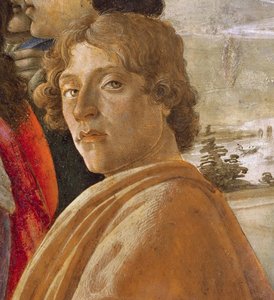
Сandro Боттічеллі
1445 - 1510 , Італія
Короткі факти
- Artistic Movement Or Style: Ранній Ренесанс
- Artists Or Movements Influenced By This Artist: ['Пре-рафаелисти']
- Artists Who Influenced This Artist:
- Фра Филиппо Липпі
- Паоло Учелло
- Date Of Birth: 1445
- Date Of Death: 1510
- Full Name: Alessandro di Mariano Filipepi
- Nationality: Італійський
- Notable Artworks:
- Народження Венеры
- Весна
- Моління Марії
- Place Of Birth: Флоренція, Італія
Пов'язані статті

Топ-25 шедеврів Сандро Боттічеллі: мистецтво Відродження для вашого дому | AllPaintingsStore
Відкрийте для себе 25 шедеврів Сандро Боттічеллі! Дослідіть історії створення "Народження Венери", "Весни" та інших культових картин Відродження. Репродукції високої якості для вашого дому – AllPaintingsStore.
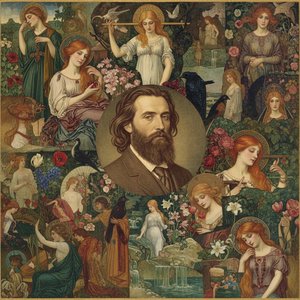
25 шедеврів Данте Габріеля Россетті: мистецтво, краса та декор для вашого дому
Відкрийте 25 захопливих шедеврів Данте Габріеля Россетті! Пориньте у світ прерафаелітів, символізму та неймовірної краси. Купуйте репродукції картин онлайн на AllPaintingsStore.com – декор для вашого дому з музейною якістю.
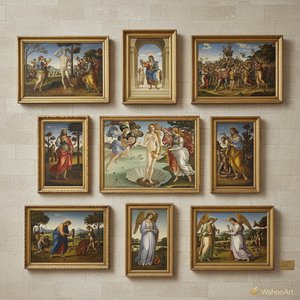
Топ-10 шедеврів Ренесансу: мистецтво, що змінили світ | AllPaintingsStore.com
Відкрийте для себе 10 шедеврів Ренесансу від Леонардо да Вінчі, Рафаеля та Мікеланджело! Історія мистецтва, техніки живопису та натхнення для вашого дому. Репродукції картин високої якості – AllPaintingsStore.com

The Nuances of Graphite: Exploring Emotional Depth & Technical Mastery in Pencil Drawing
Explore the captivating world of graphite drawing! Discover its rich history, master essential techniques like chiaroscuro, and learn how artists evoke emotion through this timeless medium. Expert insights for art enthusiasts.

Mastering the Line: A Comprehensive Expert Guide to Technical Precision and Expressive Depth in Drawing
Elevate your artistic practice with this expert guide to mastering the line. Discover advanced techniques in graphite, charcoal, and contour drawing designed for art students seeking technical precision and expressive depth in their fine art studies.


