


 Переглянути в інтер'єрі
 Надіслати як листівку
 Поділитися
 Деталі витвору
 Посібник

 Завантажити
 Схожі екземпляри
 Рентгенівське дослідження
 Слайд-шоу
 Q&A
Q&A Статистика
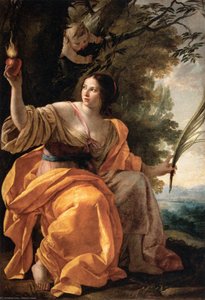
The Fortune Teller

- 95.0 x 135.0 cm


 Розгорнути текст
Гікле / Художній принт
Друк جيкле або на полотні музейної якості з оперативним виготовленням та різноманітними варіантами фінішної обробки. ( Замовити картину ручної роботи Перейти до цифрових зображень)




P118B ₴10

P118H ₴10

P118W ₴10

P438Z ₴10

P508JH ₴12

P508YH ₴12

P805H ₴10

P805Z ₴10

P919BZ ₴10

P919G ₴10

P919XJ ₴10

P959ZH ₴10

P968JZ ₴12

W106C ₴8

W218G ₴10

W218JH ₴8

W218Y ₴10

W307PJ ₴10

W316G ₴10

W316PJ ₴8

W316Y ₴10

W398PJ ₴8

W4111J ₴10

W500HY ₴15

W500JH ₴15

W692G ₴12

W849H ₴8

W940BG ₴15

W953PJ ₴8




Обирайте з наших стандартних розмірів, що відповідають оригінальним пропорціям твору мистецтва.

Введіть необхідну ширину та висоту, щоб принт ідеально підійшов до вашої рами або стіни. Принт можна лише обрізати, але не можна зробити більшим за оригінал, тому при зміні пропорцій частина зображення буде втрачена. Перед друком ми надсилаємо вам цифровий макет для затвердження. Зображення на цій сторінці не відображає реальну обрізку — її можна побачити лише на макеті.
Доставка по всьому світу () за 2 тижні замість стандартних 4/5 тижнів. (31 Жовтень)

Безкоштовна експрес-доставка по всьому світу

Високоякісне лляне полотно

Повне страхове покриття доставки

Гарантія повернення митних зборів

Гарантія точного відтворення кольорів

Політика повернення протягом 100 днів (лише у разі виявлення дефектів)

Гарантія повернення 100% коштів

Пропозиція на оптові замовлення
 Скляний варіант доступний лише для розмірів до 110 см

The Fortune Teller
Гікле / Художній принт
Розмір репродукції
-


Підсумкова вартість
₴ 2877
The Enigmatic Allure of Simon Vouet’s “The Fortune Teller”
Simon Vouet's "The Fortune Teller," painted in 1617, isn’t merely a portrait; it’s a carefully constructed tableau brimming with intrigue and a palpable sense of the mystical. Housed within the venerable Galleria Nazionale d’Arte Antica in Rome, this oil on canvas invites viewers into a dimly lit chamber where the boundaries between reality and prophecy blur. Vouet, a pivotal figure bridging the Mannerist and Baroque eras, masterfully employs chiaroscuro – the dramatic interplay of light and shadow – to draw our attention to the central figures and imbue the scene with an almost theatrical intensity.
The composition itself is deliberately layered. At its heart sits a man, his features obscured by a wide-brimmed hat and a flowing beard, engaged in a hushed conversation. He holds an open book, seemingly offering guidance or revealing secrets. Flanking him are two women, their attire – one clad in vibrant red, the other in deep blue – adding splashes of color to the predominantly dark palette. Their attentive gazes suggest they are both recipients and observers of this unfolding drama. The background, rendered in muted tones, serves primarily as a backdrop, emphasizing the figures and creating an atmosphere of hushed anticipation.
A Masterclass in Baroque Technique
Vouet’s technique is a fascinating blend of influences. He absorbed the dramatic lighting favored by Caravaggio, but tempered it with a more refined elegance characteristic of French portraiture. Notice how light pools around the faces and hands, highlighting their expressions and gestures while leaving much of the scene shrouded in shadow. This creates a sense of depth and mystery, inviting speculation about the events taking place within the room. The brushstrokes are smooth and blended, contributing to the painting’s overall polished appearance – a hallmark of Vouet's style.
The use of *sfumato*, another technique borrowed from Leonardo da Vinci, is subtly present, softening edges and creating an atmospheric haze that further enhances the sense of depth. Vouet wasn’t simply replicating Caravaggio; he was adapting his innovations to suit the evolving tastes of the French court, resulting in a uniquely sophisticated style.
Symbolism and Historical Context
"The Fortune Teller" is steeped in symbolism, reflecting the prevailing fascination with astrology, divination, and the occult during the early 17th century. The book held by the central figure likely represents knowledge, prophecy, or perhaps even fate itself. The women, often interpreted as representing fortune tellers or advisors, are positioned to receive this information. The red and blue garments could symbolize different types of wisdom or guidance – a common motif in Renaissance art.
Painted during a period of significant artistic transition in France, Vouet’s work exemplifies the shift from the rigid formality of Mannerism towards the more dynamic and emotionally expressive style of the Baroque. His patronage by influential figures like Cardinal Richelieu helped establish him as one of the leading artists of his time, shaping the course of French painting for decades to come.
A Timeless Appeal: Reproduction Possibilities
The enduring appeal of “The Fortune Teller” lies in its ability to evoke a sense of mystery and intrigue. It’s a scene ripe with narrative possibilities, prompting viewers to imagine the story behind the figures and their exchange. Today, high-quality reproductions of this captivating artwork are available through AllPaintingsStore.com, meticulously crafted using traditional oil painting techniques and premium materials, ensuring that the drama and emotional depth of Vouet's original masterpiece are faithfully preserved. These reproductions offer a beautiful way to bring this iconic work into your home or office – a testament to the enduring power of art.
For further exploration, consider visiting the Galleria Nazionale d’Arte Antica in Rome or delving into online resources like the Web Gallery of Art (The Fortune Teller by VOUET, Simon) and exploring Valentin de Boulogne's work for a deeper understanding of Caravaggio’s influence.
Питання та відповіді
Як побудована колірна композиція «The Fortune Teller» роботи Сімон Вує?
У творі "The Fortune Teller" Виразний контраст поєднується з М'яко змішана палітра гармонією.
Коли було створено та до якого стилю належить твір «The Fortune Teller» роботи Сімон Вує?
«The Fortune Teller» було створено у 1617 році в межах течії French Baroque.
Яку емоцію передає «The Fortune Teller» роботи Сімон Вує?
Емоційний тон, зафіксований для «The Fortune Teller» роботи Сімон Вує, — Загадковий. Він узагальнює почуття, які виражає цей твір.
Схожі твори мистецтва




Біографія митця
Симон Вує: Посол італійського бароко у Франції
Симон Вує, народжений у самому серці Парижа в 1590 році, став ключовою фігурою у перехідному періоді французької живописної школи від маньєризму до витонченого та динамічного бароко. Його шлях – це захоплива історія подорожей, навчання та творчого синтезу, що назавжди змінило обличчя французького мистецтва. З дитинства оточений мистецтвом – батько Лоран був художником, а брат Обін також присвятив себе творчості – Вує отримав міцну основу для майбутніх звершень. Його онук, Лудовіко Дориньї, продовжив сімейну традицію, залишивши свій слід в історії мистецтва.
Від портретів до римської школи: Формування стилю
Кар'єра Вує розпочалася з портретного живопису, де він швидко проявив свій талант. У віці лише чотирнадцяти років він вирушив до Англії для виконання замовлення на портрет, що вже тоді свідчило про зростаючу репутацію молодого художника. Подальша подорож у супроводі барона де Сансі, французького посланника при Османській імперії, відкрила перед ним світ Сходу та привела до Венеції в 1612 році. Саме перебування в Римі протягом тринадцяти років (1614-1627) стало вирішальним етапом у його творчому розвитку. Римська мистецька сцена бурлила енергією, і Вує повністю занурився в неї.
В Римі він вивчав драматичне освітлення Караваджо, поєднуючи це з елементами італійського маньєризму. Він ретельно аналізував палітри кольорів та техніку di sotto in su (перспектива знизу вгору), яку використовував Паоло Веронезе. Натхнення черпав також із творчості братів Караччі, Гуерчіно, Ланфранко та Гвідо Рені, вміло синтезуючи ці різноманітні стилі у власну неповторну художню візію. Цей період став часом інтенсивного навчання та формування його індивідуального стилю.
Премієр живописця короля: Бароко приходить до Франції
Успіх Вує в Римі був визнаний обранням на посаду президента престижної Академії Святого Луки – свідчення його майстерності та поваги в італійському мистецькому світі. Повернувшись у Францію в 1627 році, він взяв на себе роль провідника нового стилю, принісши з собою динамізм та велич італійського бароко. Незабаром Вує був призначений Premier peintre du Roi (Першим живописцем короля), що стало вершиною його кар'єри та надало йому значний вплив на французьке мистецтво.
Вує очолював велику та активну майстерню, де навчалося чимало художників, які згодом сформують наступне покоління французьких митців. Серед його найвпливовіших учнів були Шарль Леруа (згодом організатор усіх декоративних робіт у Версалі), Валентен де Булон, Шарль Альфонс дю Фресно, П’єр Меньяр, Есташ Ле Сюр та Клод Меллан. Його вплив відчутний у грандіозних декоративних схемах, замовлених Людовіком XIV, що стали символом епохи.
Спадщина: Міст між двома культурами
Симон Вує назавжди закарбувався в історії як ключова фігура, яка з'єднала італійське та французьке мистецтво. Він успішно адаптував динамізм та велич італійського бароко до смаків французького двору та аристократії. Його внесок у розвиток французької живописної школи XVII століття незаперечний, і його творчість продовжує захоплювати дослідників мистецтва й сьогодні.

Сімон Вує
1590 - 1649 , Франція
Короткі факти
- Дата Народження: 9 січня 1590 року
- Місце Народження (Місто Та Країна): Париж, Франція
- Національність: Француз
- Повне Ім'Я: Симон Вує
- Художники Або Напрямки, На Яких Він Вплинув:
- Шарль Леруа
- Валентен де Булонь
- Художники, Які Вплинули На Нього:
- Караваджо
- Паоло Веронезе
- Караччі
- Гуерчіно
- Ланфранко
- Гвідо Рені
- Художній Стиль Або Напрямок: Бароко
Пов'язані статті

The Dramatic Flourish: Exploring the Baroque Movement's Enduring Legacy in Art History
Explore the dramatic world of Baroque art! Discover iconic artists like Caravaggio & Rubens, defining techniques, and its lasting impact on art history. Expert insights for collectors & enthusiasts at AllPaintingsStore.

Барокова драма: мистецтво, що привносить велич у дім
Відкрийте для себе велич бароко! Дізнайтесь про історію стилю, особливості українського бароко та як створити розкішний інтер'єр. Ексклюзивні репродукції картин від .

The Enduring Legacy of Oil on Canvas: Technique, History & Aesthetic Impact
Explore the rich history & techniques of oil painting – from Renaissance masters to Impressionism. Discover pigments, layering methods, and why this timeless medium endures. Expert insights for artists & art enthusiasts.

The Enduring Power of Painting: A Historical & Contemporary Exploration of Form and Emotion
Explore the rich history & enduring techniques of oil painting with AllPaintingsStore. Discover masterpieces, learn about art collecting, and find authentic handmade reproductions crafted by skilled artists.

Simon Vouet: A Baroque Master's Journey from Italian Influence to French Classicism
Explore the life & art of Simon Vouet, a pivotal French Baroque painter who introduced Italian styles to France. Discover his masterpieces and lasting influence on 17th-century art.


