


 Переглянути в інтер'єрі
 Надіслати
 Поділитися
 Деталі
 Посібник

 Завантажити
 Схожі предмети колекціонування
 Рентгенівське дослідження
 Слайд-шоу
 Статистика переглядів
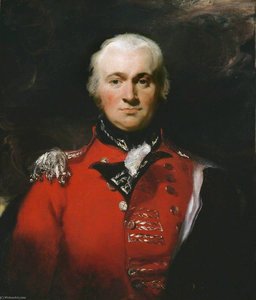
Lieutenant General Sir John Moore (1761–1809), KB
 Oil
Oil- WallArt
- Romanticism
 1805
1805- 19th Century
 77.0 x 63.0 cm
 Читати далі
Олійная репродукція ручної роботи
Написана вручну олією на полотні у вашому розмірі та рамі, виготовлена на замовлення нашими художниками. ( Перейти до друку Перейти до цифрових зображень)




P118B $10

P118H $10

P118W $10

P438Z $10

P508JH $12

P508YH $12

P805H $10

P805Z $10

P919BZ $10

P919G $10

P919XJ $10

P959ZH $10

P968JZ $12

W106C $8

W218G $10

W218JH $8

W218Y $10

W307PJ $10

W316G $10

W316PJ $8

W316Y $10

W398PJ $8

W4111J $10

W500HY $15

W500JH $15

W692G $12

W849H $8

W940BG $15

W953PJ $8




Обирайте з наших стандартних розмірів, що відповідають оригінальним пропорціям твору мистецтва.

Ви можете вказати власні розміри, щоб репродукція ідеально підійшла до конкретної рами або інтер'єру. Якщо вибраний вами розмір не відповідає пропорціям оригіналу, ми або обріжемо полотно, або доповнимо картину додатковими елементами, промальованими вручну. Цифровий макет буде надіслано вам на затвердження перед початком виробництва.
Зверніть увагу, що попередній перегляд на екрані не відображає фактичне обрізання або розширення зображення. Тільки макет точно покаже остаточну композицію.
Хоча ми можемо виготовити виріб у нестандартному розмірі, для збереження оригінальних пропорцій рекомендуємо обирати варіанти зі встановленого списку.
Після оформлення замовлення команда AllPaintingsStore.com зв'яжеться з клієнтом електронною поштою для отримання інструкцій та надасть попередній макет
Доставка по всьому світу () за 3–4 тижні замість стандартних 5 тижнів. (21 Вересень). Без жодних компромісів у якості.

Безкоштовна експрес-доставка по всьому світу

Високоякісне лляне полотно

Повне страхове покриття доставки

Гарантія повернення митних зборів

Гарантія точного відтворення кольорів

Політика повернення протягом 100 днів (лише у разі виявлення дефектів)

Гарантія повернення 100% коштів

Знижка на оптові замовлення
 Скляний варіант доступний лише для розмірів до 110 см

Lieutenant General Sir John Moore (1761–1809), KB
Техніка репродукції
Розмір репродукції
-


Загальна вартість
$ 258
A Vision of Regency Command
In this commanding portrait of Lieutenant General Sir John Moore, we are transported back to the dawn of the nineteenth century, an era defined by the thunder of Napoleonic warfare and the refined elegance of the Regency period. Painted in 1805 by the incomparable Sir Thomas Lawrence, the work serves as more than a mere likeness; it is a profound study of leadership and the heavy mantle of duty. The subject stands with an unmistakable air of authority, his gaze meeting the viewer with a piercing confidence that suggests a man intimately acquainted with both the strategic complexities of the battlefield and the stoic resolve required of a high-ranking officer. Through Lawrence's masterful hand, the portrait transcends historical documentation to become a living window into the soul of a military legend.
The technical brilliance of the piece lies in Lawrence’s ability to balance meticulous detail with an atmospheric, almost ethereal, painterly touch. The vibrant scarlet of the officer's uniform—a hallmark of British military prestige—is rendered with such richness that one can almost feel the heavy wool and the glint of the polished gold buttons. Every brushstroke contributes to a sense of tactile reality, from the subtle textures of the fabric to the fine grooming of his mustache. Yet, Lawrence avoids the trap of clinical precision; by employing a softly blurred background, he employs a technique that directs all emotional weight toward the subject. This deliberate use of focus creates a dramatic chiaroscuro effect, isolating Sir John Moore in a space of singular importance and ensuring that his presence dominates the visual field.
For the discerning collector or interior designer, this reproduction offers an unparalleled opportunity to introduce a sense of historical gravity and timeless prestige into a curated space. The painting carries a profound emotional resonance, evoking themes of heroism, sacrifice, and the enduring legacy of the British Empire. Its palette of deep reds, golds, and muted shadows makes it a versatile centerpiece, capable of anchoring a traditional study, an executive office, or a grand hallway with an aura of sophisticated heritage. To possess such a work is to invite the spirit of the Regency era into one's home, celebrating a period where art and history were inextricably entwined in a dance of splendor and strength.
Схожі твори мистецтва




Біографія митця
A Brushstroke of Regency Splendor: The Life and Art of Sir Thomas Lawrence
Sir Thomas Lawrence, born in Bristol in 1769, was a true child prodigy – an artist whose talent blossomed remarkably early. His formative years were spent traveling with his father’s innkeeping ventures across England, from Devizes to Bath. It was within the lively atmosphere of these inns that young Lawrence first began to captivate audiences, not merely reciting poetry but also sketching portraits with a surprising degree of accuracy. These early sketches, created without formal instruction and fueled by innate ability, demonstrated an entrepreneurial spirit alongside his burgeoning artistic skill – he supported his family through pastel portrait commissions while still in Bath. This independence shaped his entire career, even as he navigated the intricate world of aristocratic patronage.Ascension to Portraiture’s Pinnacle
At the age of eighteen, Lawrence's move to London marked a decisive turning point. He swiftly established himself as a painter in oils, securing his first royal commission – a portrait of Queen Charlotte in 1789 – and instantly entering the heart of London society. Lawrence possessed an extraordinary gift: he didn’t simply replicate likenesses; he captured *character*, imbuing his subjects with a flattering yet insightful presence. He became renowned for his ability to portray the glamour and sophistication of the Regency era, painting nobility, royalty, and prominent figures with a virtuoso technique that drew comparisons to Sir Joshua Reynolds, whom Lawrence deeply admired. His election as an associate, then full member, of the Royal Academy in 1791 and 1794 solidified his position within the established art world – a testament to his skill and influence. In 1792, he was appointed Painter-in-Ordinary to the King, a prestigious role that granted him access to the highest levels of power and further elevated his status. His style evolved subtly over time, always characterized by graceful poses, rich colors, and meticulous attention to detail.Patronage, Prestige, and the Waterloo Chamber
The Prince Regent’s (later King George IV) patronage proved instrumental in Lawrence's career trajectory. He was commissioned to paint portraits of allied leaders for the Waterloo Chamber at Windsor Castle – a monumental undertaking that showcased not only his technical prowess but also his ability to handle large-scale compositions and convey gravitas. This project, intended as a commemoration of Napoleon’s defeat, brought him widespread acclaim across Europe. In 1815, he was knighted, a significant honor recognizing his artistic achievements and service to the Crown. Later, in 1820, he assumed the presidency of the Royal Academy – a position he held until his death. Beyond painting, Lawrence played a vital role in establishing the National Gallery and securing the Elgin Marbles for Britain, demonstrating a commitment to preserving and promoting British art and culture.A Complex Legacy
Despite his considerable success, Lawrence’s life was not without its challenges. He struggled with persistent financial difficulties throughout much of his career, often burdened by debt despite earning substantial sums from his commissions. His personal life was marked by tumultuous relationships, notably with Sally and Maria Siddons – daughters of the celebrated actress Sarah Siddons. These connections, while providing inspiration, also brought heartache and scandal. Furthermore, Lawrence’s sitters reflected the social realities of his time – including both slave owners and abolitionists – a poignant reminder of the moral ambiguities inherent in Regency society. His reputation experienced a decline during the Victorian era as tastes shifted towards more didactic art, but he has since been partially rehabilitated, recognizing him as a master of portraiture and a key figure in British artistic history. His work remains celebrated for its elegance, technical brilliance, and ability to capture the essence of his subjects – offering a captivating glimpse into the world of Regency England.Influences and Enduring Impact
Lawrence’s artistic development was profoundly shaped by Sir Joshua Reynolds, whose emphasis on capturing character and employing a fluid brushstroke resonated deeply with the young artist. He diligently studied Old Master drawings, particularly those by Michelangelo and Raphael, absorbing their anatomical precision and compositional skills. While rooted in tradition, Lawrence's work also reflected the emerging Romantic sensibilities of his time, embracing glamour and emotional intensity. His influence can be seen in the works of later portrait painters who sought to emulate his style and capture the spirit of an era. Though he faced personal struggles and a decline in popularity during the Victorian period, Sir Thomas Lawrence’s legacy endures as one of Britain's most accomplished and captivating portraitists – a testament to his talent, charm, and enduring contribution to the world of art.
Тімас Лорънс
1769 - 1830 , Великобританія
Довідкова інформація
- Artistic Movement Or Style: Портретна школа Регентства
- Artists Or Movements Influenced By This Artist: ['Романтизм']
- Artists Who Influenced This Artist: ['Дж. Рейнольдс']
- Date Of Birth: 13 квiтня 1769
- Date Of Death: 7 квiтня 1830
- Full Name: Sir Thomas Lawrence
- Nationality: Британський
- Notable Artworks:
- Портрети королеви Шарлотти
- Чотирикамерні портрети у Вотерлу
- Самопортрет
- Place Of Birth: Бристоль, Велика Британія
Схожі статті
Топ-25 шедеврів Альфреда Джеймса Міннінгса: мистецтво коней та англійської глибинки | AllPaintingsStore
Відкрийте 25 найкращих картин Альфреда Джеймса Міннінгса! Дослідіть шедеври англійського імпресіонізму, мистецтво коней та пейзажі Англії. Купуйте репродукції високої якості для вашого дому на AllPaintingsStore.com.
Топ-25 шедеврів Джошуа Рейнольдса: портрети епохи та розкіш для вашого дому
Відкрийте для себе 25 найкращих шедеврів Джошуа Рейнольдса! Портрети епохи Просвітництва, бароко та рококо. Історія мистецтва, техніка живопису та розкішний декор дому на AllPaintingsStore.com. Дослідіть повну колекцію онлайн!

Піднесення естетики робочого простору: 5 провідних стилів мистецтва для сучасних офісів
Дізнайтеся, як мистецтво може перетворити ваш офіс на продуктивний та креативний простір! Огляд 5 провідних стилів для сучасного дизайну. Поради від експертів.

Crimson Threads of Narrative: Exploring Symbolism & Representation in Artworks Featuring the Red Dress
Explore the rich symbolism of the red dress in art history! From ancient power displays to iconic portraits like Cézanne’s 'Madame Cezanne', discover the cultural and artistic significance behind this captivating color. Expert analysis & insights.

Commanding Presence: The Art of Authority and the Iconography of the Officer in Classical Portraiture
Explore the profound iconography of authority through iconic military portraits. Discover how master painters captured command, regalia, and historical prestige in classical oil paintings, perfect for discerning collectors seeking timeless elegance.


