

Lear Grasping a Sword
1780. Acrylic On Canvas, 94.0 x 77.0 cm. Музей изяістичних мистецтв Бостон.

§ 1Catalogue data
 Acrylic On Canvas
- WallArt
- Romanticism
 1780
1780 94.0 x 77.0 cm
 Музей изяістичних мистецтв Бостон
§ 2Abstract
Опис експоната
 Розгорнути текст
Біографія митця
Вільям Блейк: поет та художник-візіонер епохи Романтизму! Відкрийте для себе його унікальні поеми, пророцтва та революційні техніки освітленого друку. Шедевр британської культури!
§ 3Commentary
A Study in Isolation and Resolve: Examining William Blake’s “Lear Grasping a Sword”
William Blake's "Lear Grasping a Sword," painted circa 1780, stands as a poignant emblem of Romantic introspection and defiance against encroaching societal pressures. More than just a depiction of an elderly man wielding weaponry—though the sword undeniably dominates visual attention—the artwork embodies a profound exploration of human vulnerability confronted by inescapable fate. Created during a period marked by burgeoning industrialization and intellectual ferment, Blake’s vision transcends mere observation; it delves into the psychological landscape of existential questioning.- Subject Matter: The painting portrays Lear, King of Britain from Shakespeare's Macbeth, grasping a sword with grim determination. This iconic pose immediately establishes a narrative tension—a struggle for control amidst overwhelming circumstances.
- Style and Technique: Blake’s characteristic style is instantly recognizable through its ethereal quality and masterful use of chiaroscuro. The artist employs dramatic contrasts between light and dark to sculpt Lear's form, emphasizing his physicality while simultaneously conveying a sense of spiritual anguish. The meticulous detail in rendering the sword itself contributes to the overall impact, symbolizing strength and preparedness.
Питання та відповіді
Хто є автором "Lear Grasping a Sword" і до якого художнього напряму він належить?
Автором твору "Lear Grasping a Sword" є Вільям Блейк, що належить до течії Romanticism.
Яка техніка була використана для створення «Lear Grasping a Sword» і коли цей твір було створено?
«Lear Grasping a Sword» було створено у 1780 році, техніка: Acrylic On Canvas.
Чи є «Lear Grasping a Sword» роботи Вільям Блейк суспільним надбанням?
Статус авторського права для «Lear Grasping a Sword» роботи Вільям Блейк: цей твір є є суспільним надбанням — термін дії авторського права закінчився. Це визначає, чи можна вільно створювати репродукції зображення.
§ 4The artist
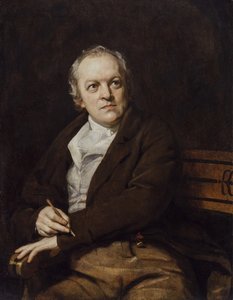
Вільям Блейк
1757 - 1827, Великобритания
Короткі факти
- Artistic Movement Or Style: Романтизм
- Artists Who Influenced This Artist:
- Рафаель
- Мікеланджело
- Date Of Birth: 1757 рік
- Date Of Death: 1827 рік
- Full Name: William Blake
- Nationality: Британський
- Notable Artworks:
- Пісні про бездоганність і досвід
- Весілля неба й пекла
- Тигр
- Place Of Birth: Лондон, Великобританія
Біографія митця
William Blake (1757–1827): A Visionary’s Journey
William Blake, born in London on November 28, 1757, was a figure perpetually out of step with his time, yet destined to become one of the most celebrated artists and poets of the Romantic Age. His life unfolded against the backdrop of a rapidly changing England—a world grappling with industrialization, political upheaval, and shifting spiritual beliefs. From humble beginnings as the son of a hosier, Blake’s early years were marked by an intensely vivid imagination and a propensity for visionary experiences that would profoundly shape his artistic trajectory. Though largely self-taught in formal academics, he received drawing instruction at a young age, quickly revealing a talent that hinted at the extraordinary path ahead. His apprenticeship with engraver James Basire proved pivotal, providing him not only with technical mastery but also an understanding of printmaking techniques he would later revolutionize. These early influences—the Gothic grandeur of Westminster Abbey, the classical forms of Raphael and Michelangelo—served as foundational elements in his developing aesthetic, though Blake was never one to remain bound by convention.Early Life and Artistic Training
Blake’s formative years instilled within him a deep fascination with mythology and folklore, shaping his worldview and informing his artistic vision. Despite lacking formal schooling, he possessed an innate aptitude for drawing—a skill honed through diligent self-study and observation—and quickly demonstrated an exceptional ability to capture the essence of his subjects. His apprenticeship under James Basire, a respected engraver, provided invaluable experience in printmaking, equipping him with essential techniques that would underpin his groundbreaking illuminated printing process. This method, born from a profound spiritual awakening following his brother’s death, represented a radical departure from established practices—a deliberate rejection of mechanistic reproduction in favor of artistic expression and symbolic representation. Blake's meticulous attention to detail and his unwavering commitment to capturing the emotional depth of his subjects foreshadowed the stylistic innovations that would characterize his mature oeuvre.Illuminated Printing: A Revolutionary Technique
Blake’s artistic innovation wasn’t merely about subject matter; it resided fundamentally in *how* he created. Dissatisfied with conventional engraving methods, he developed a unique process known as “illuminated printing.” This involved etching both text and illustrations onto copper plates—a painstaking undertaking that demanded considerable skill and patience—then painstakingly hand-coloring the resulting prints using vibrant pigments applied directly to the plate surface. This wasn’t simply illustration accompanying poetry; it was an integrated art form where image and verse were inextricably linked, each amplifying the meaning of the other. Blake's mastery of relief etching—a technique he claimed originated from a prophetic vision—allowed him to achieve unparalleled textural richness and expressive nuance, surpassing the limitations imposed by traditional printmaking methods. This innovative approach cemented his reputation as a visionary artist who dared to challenge artistic conventions and forge new paths toward creative expression.Major Works and Artistic Style
Blake’s artistic output encompassed a diverse range of genres—poetry, engravings, watercolors, and illuminated books—each reflecting his profound engagement with spiritual and philosophical ideas. Among his most celebrated works are *Songs of Innocence & Experience* (1794), a masterful exploration of duality and moral contemplation; *The Marriage of Heaven & Hell* (1793), a provocative prose poem that celebrates rebellious energy and defies conventional dogma; and *Jerusalem*, an ambitious epic poem depicting a reimagined vision of Albion—ancient name for Britain—as a beacon of spiritual renewal. His engravings, particularly those inspired by Dante’s *Divine Comedy*, demonstrate his extraordinary ability to translate complex narratives into powerful visual imagery—characterized by flattened perspectives, symbolic motifs, and a deliberate rejection of realistic representation. Blake's distinctive style—marked by bold lines, vibrant colors, and an unwavering commitment to conveying emotional intensity—became influential in shaping the aesthetic sensibilities of subsequent generations of artists.Legacy and Influence
Despite facing considerable obscurity during his lifetime, William Blake’s artistic legacy endured beyond his death on August 12, 1827. The Pre-Raphaelites, captivated by his visionary style and symbolic imagery—particularly *Songs of Innocence & Experience*—embraced him as a kindred spirit and championed his uncompromising aesthetic principles. Later movements—Symbolism and Modernism—found resonance in Blake’s exploration of subjective experience and spiritual contemplation, recognizing him as a precursor to avant-garde artistic endeavors. Today, William Blake is revered as a pivotal figure in the Romantic movement—an artist whose work continues to inspire poets, painters, and thinkers across disciplines. His unwavering commitment to creative freedom—a testament to the enduring power of imagination—remains profoundly relevant, urging us to question established norms and embrace visions that transcend conventional boundaries. Blake’s influence extends far beyond the realm of art, shaping conceptions of spirituality, mythology, and the role of imagination in human consciousness.§ 5Comparanda
Схожі твори мистецтва


§ 6Questions
§ 7Further reading
Cite this entry
AllPaintingsStore.com, “Вільям Блейк, Lear Grasping a Sword (1780)”, https://allpaintingsstore.com/uk/art/william-blake-lear-grasping-a-sword-8Y3TNB-en/ArtistReproduction/ (accessed 1 Жовтень 2026).
§ 8The reproduction
Олійная репродукція ручної роботи
Написана вручну олією на полотні у вашому розмірі та рамі, виготовлена на замовлення нашими художниками. ( Перейти до друку Перейти до цифрових зображень)
It is specified on the order sheet in the margin; the present state of that sheet reads as follows.

Lear Grasping a Sword
Матеріал репродукції
Розмір репродукції
-

Видатний майстер-художник
Більше деталізації, витонченості та додаткового часу на створення твору
-

Рама для репродукції
-
-
Для творів мистецтва або репродукцій, розмір яких перевищує 105 см (приблизно 41 дюйм) з будь-якого боку, рама доставляється у вигляді розібраного комплекту. Такий метод гарантує безпечну доставку та запобігає пошкодженням під час транспортування.
Потребує професійного збирання — це не продукт для самостійного виготовлення (DIY).
Комплект має бути зібраний, а полотно натягнуте досвідченим майстром багетних робіт із використанням клейового дерева (не входить у комплект), щипців для натягування полотна та затискачів, щоб підрамник залишався рівним під час висихання клею. Неправильне збирання або нерівномірне натягування полотна може призвести до незворотного пошкодження твору мистецтва, що не підпадає під дію нашої гарантії.
 Для творів мистецтва або репродукцій, розмір яких перевищує 105 см (приблизно 41 дюйм) з будь-якого боку, рама доставляється у вигляді розібраного комплекту. Такий метод гарантує безпечну доставку та запобігає пошкодженням під час транспортування.
У комплект входять усі бруски з цільного дерева, точно вирізані за розміром.
Збирається за допомогою гвинтів, що входять до комплекту, а також клейового розчину для кутових з'єднань, який не входить до комплекту і має бути підготовлений вашим майстром.
Потрібні професійні інструменти, які не входять до комплекту: щипці для натягування полотна (натягувач) та затискачі, щоб утримувати рейки рівно під час висихання клею.
Важливо:
Для з'єднання кутів потрібен клей для дерева, перекладини необхідно затиснути струбцинами до повного висихання клею, а для натягування полотна на зібрану раму знадобляться щипці для натягування полотна. Жоден із цих інструментів не входить до комплекту. Будь ласка, проконсультуйтеся з досвідченим майстром багетного оформлення перед замовленням рами такого розміру.

Етикетка експоната
-
-

Захисний лак
Глянцевий лак (підсилює яскравість кольорів, захищає від світла та вологи)
-

Персоналізувати мій витвір
Приклади можливих змін: заміна обличчя на фото клієнта; додавання домашньої тварини (наприклад, заміна кота на собаку); додавання прихованого повідомлення на фоні; зміна пейзажу або елементів фону.
-

Прискорено
Доставка по всьому світу () за 3–4 тижні замість стандартних 5 тижнів. (29 Жовтень). Без компромісів у якості.
-
Експрес-доставка
Доставка по всьому світу () протягом 5 тижнів. (5 Листопад).
Включено в ціну
Підсумкова вартість
₴ 11542
Included with every order
- Безкоштовна експрес-доставка по всьому світу
- Високоякісне лляне полотно
- Повне страхове покриття доставки
- Гарантія повернення митних зборів
- Гарантія точного відтворення кольорів
- Політика повернення протягом 100 днів (лише у разі виявлення дефектів)
- Гарантія повернення 100% коштів
- Пропозиція на оптові замовлення


