


 Переглянути в інтер'єрі
 Надіслати як листівку
 Поділитися
 Деталі витвору
 Посібник

 Завантажити
 Схожі екземпляри
 Рентгенівське дослідження
 Слайд-шоу
 Питання та відповіді
 Статистика
Untitled 11


 Розгорнути текст
Гікле / Художній принт
Друк جيкле або на полотні музейної якості з оперативним виготовленням та різноманітними варіантами фінішної обробки. ( Замовити картину ручної роботи Перейти до цифрових зображень)




P118B ₴10

P118H ₴10

P118W ₴10

P438Z ₴10

P508JH ₴12

P508YH ₴12

P805H ₴10

P805Z ₴10

P919BZ ₴10

P919G ₴10

P919XJ ₴10

P959ZH ₴10

P968JZ ₴12

W106C ₴8

W218G ₴10

W218JH ₴8

W218Y ₴10

W307PJ ₴10

W316G ₴10

W316PJ ₴8

W316Y ₴10

W398PJ ₴8

W4111J ₴10

W500HY ₴15

W500JH ₴15

W692G ₴12

W849H ₴8

W940BG ₴15

W953PJ ₴8




Обирайте з наших стандартних розмірів, що відповідають оригінальним пропорціям твору мистецтва.

Введіть необхідну ширину та висоту, щоб принт ідеально підійшов до вашої рами або стіни. Принт можна лише обрізати, але не можна зробити більшим за оригінал, тому при зміні пропорцій частина зображення буде втрачена. Перед друком ми надсилаємо вам цифровий макет для затвердження. Зображення на цій сторінці не відображає реальну обрізку — її можна побачити лише на макеті.
Доставка по всьому світу () за 2 тижні замість стандартних 4/5 тижнів. (15 Листопад)

Безкоштовна експрес-доставка по всьому світу

Високоякісне лляне полотно

Повне страхове покриття доставки

Гарантія повернення митних зборів

Гарантія точного відтворення кольорів

Політика повернення протягом 100 днів (лише у разі виявлення дефектів)

Гарантія повернення 100% коштів

Пропозиція на оптові замовлення
 Скляний варіант доступний лише для розмірів до 110 см

Untitled 11
Гікле / Художній принт
Розмір репродукції
-


Підсумкова вартість
₴ 2918
A Vision of Raw Emotion: Unveiling William Blake’s “Untitled 11”
William Blake's "Untitled 11," a monochrome drawing executed with charcoal or graphite, isn’t merely a depiction of figures; it’s an immersion into the heart of human experience – a potent distillation of suffering, defiance, and perhaps even spiritual yearning. Born in London during the tumultuous years of the late 18th century, Blake was a visionary artist and poet whose work consistently challenged conventional artistic norms and explored profound philosophical themes. This particular drawing, created around the period of his most intense creative output (roughly 1790-1820), embodies the core tenets of his style: an emphasis on emotion over precise representation, a fascination with symbolism, and a willingness to confront uncomfortable truths about the human condition.
The artwork immediately commands attention through its stark simplicity. Rendered entirely in shades of gray—a deliberate choice that strips away any potential distraction from the emotional core of the piece—it presents three primary figures arranged within a shallow, ambiguous space. A central figure stands with arms raised in a gesture that could be interpreted as supplication, anguish, or even a desperate reaching for something beyond earthly grasp. Below this figure lie two others, seemingly prostrate or locked in a struggle, their postures conveying defeat and vulnerability. This triangular composition creates a dynamic tension, drawing the viewer’s eye towards the central figure while simultaneously highlighting the despair of those beneath.
The Language of Line: Technique and Expression
Blake's technique is characterized by an extraordinary fluidity and expressiveness. The lines are loose, sketchy, and intensely gestural—a hallmark of his rapid sketching approach. Hatching and cross-hatching are employed not to create smooth shading but rather to build up tonal variations with a palpable sense of urgency and movement. The uneven texture, achieved through the deliberate roughness of the lines, suggests an immediacy and spontaneity rarely found in more formally rendered works. The varying thickness of the lines further amplifies this effect, conveying both strength and fragility within the figures themselves.
Notably, there’s a complete absence of color—a conscious decision by Blake to focus entirely on the interplay of light and shadow. This monochrome palette intensifies the emotional impact of the drawing, forcing the viewer to engage with the forms and gestures in their purest, most unadulterated state. The lack of color also echoes Blake's broader philosophical concerns – a rejection of superficial appearances and a desire to penetrate beneath the surface to reveal deeper truths.
Symbolism and Interpretation: A Tapestry of Meaning
“Untitled 11” is rich in symbolic potential, inviting multiple interpretations. The raised arms of the central figure are particularly compelling—they could represent a plea for divine intervention, a defiant assertion against overwhelming odds, or perhaps even an acknowledgement of humanity’s inherent limitations. The prostrate figures beneath suggest defeat, submission, or the crushing weight of suffering. Considering Blake's broader body of work – his engagement with biblical narratives, mythology, and philosophical concepts – it’s clear that this drawing is not simply a depiction of isolated individuals but rather an exploration of universal themes: struggle, faith, despair, and the search for meaning in a chaotic world.
The artwork's historical context further enriches its interpretation. Created during a period of significant social and political upheaval—the French Revolution, the rise of industrialization, and the questioning of traditional religious beliefs—"Untitled 11" can be seen as a reflection of these anxieties and uncertainties. Blake’s work often served as a critique of societal injustices and a call for spiritual renewal.
Bringing “Untitled 11” into Your Space: A High-Quality Reproduction
AllPaintingsStore offers meticulously crafted, hand-painted reproductions of William Blake's "Untitled 11," capturing the essence of his visionary style with unparalleled fidelity. Our artists replicate the drawing’s dynamic lines, expressive textures, and evocative tonal range using traditional techniques and archival-quality materials. This ensures that your reproduction will not only be a beautiful addition to your home or office but also a lasting testament to Blake's enduring legacy. Whether you are an art collector, an interior designer seeking to infuse a space with emotional depth, or simply someone captivated by the power of Blake’s vision, our hand-painted reproductions provide a unique and authentic way to experience this extraordinary artwork.
Питання та відповіді
Як стиль твору "Untitled 11" відображає епоху його творця?
«Untitled 11» належить до течії Romanticism, а її автор працював у епоху — Ранньомодерна епоха.
Як кольори «Untitled 11» роботи Вільям Блейк передають емоційний настрій твору?
Палітра Neutrals у творі «Untitled 11» роботи Вільям Блейк гармонійно поєднується з його Dramatic емоційним настроєм. Колір — це один із способів, за допомогою якого витвір передає почуття.
Яку атмосферу принесе в кімнату репродукція «Untitled 11» роботи Вільям Блейк?
Завдяки своїй Mystical атмосфері, робота "Untitled 11" чудово підійде для Living Room.
Схожі твори мистецтва


Біографія митця
Ранні роки, сім'я та навчання
Вільям Блейк народився 28 листопада 1757 року в Лондоні, Англія. Він ріс у будинку над крамницею свого батька, що розташовувалася за адресою Брод-стріт, 28. Його батьки, Джеймс Блейк та Кетрін Райт Армітедж Блейк, забезпечили йому стабільне середовище в епоху значних соціальних переломів, що охопили місто. Хоча його виховання проходило в скромних умовах сім'ї ремісника, ранні роки митця були визначені надзвичайною, інтенсивною уявою, яка часто проявлялася у вигляді видінь — наприклад, він міг бачити ангелів у гілках дерев під час прогулянок у дитинстві.
Формальне навчання розпочалося, коли йому було десять років, коли він був зарахований до школи малювання Генрі Парса. Це раннє навчання заклало технічний фундамент для кар'єри, яка згодом вийде далеко за межі простого ескізування. До 14 років необхідність практичної роботи привела його на семирічне учнівство до гравера Джеймса Базіра. Цей період став визначальним для його розвитку, оскільки він познайомив юнака з суворими механізмами гравюри та фізичними властивостями металу та кислоти.
Під час свого учнівства Блейк проводив багато часу, замальовуючи гробниці у Вестмінстерському абатстві. Готична архітектура та вивітрений камінь цих монументів справили незабутній вплив на його естетичне сприйняття. Ці дослідження дозволили йому засвоїти форми минулого, які він згодом переосмислить крізь призму власного унікального бачення. Його навчання було не просто опанованням ремесла, а глибоким зануренням у візуальну мову історії та структури.
Техніка та художні інновації
Творчий процес Блейка визначався невгамовним прагненням поєднати написане слово із візуальним образом. Він вийшов за межі стандартних комерційних гравюр своєї епохи, розробивши унікальний метод рельєфного офорту для своїх «освітлених» книг. Ця техніка передбачала нанесення кислотостійкого лаку на мідні пластини, що дозволяло йому вигравірувати як текст, так і ілюстрацію в єдину, цілісну форму. Такий метод був не просто технічним вибором, а глибоко духовним рішенням; він стверджував, що цей процес був відкритий йому через видіння після смерті його брата Роберта. Працюючи пліч-о-пліч зі своєю дружиною Кетрін, яка допомагала у друку та розфарбовуванні, він керував усім циклом виробництва — від першого штриха офорту до фінального зшивання книг.
Його естетика була свідомим відходом від жорстких канонів сучасників. Він відкинув традиційне використання лінійної перспективи, що намагалася імітувати фізичний світ, на користь більш емоційного та символічного представлення простору. Таке уплощення візуального поля дозволило йому поставити внутрішню логіку своїх видінь вище за обмеження натуралізму. Щоб вдихнути життя в ці образи, він часто використовував акварель та темперу, вручну наносячи колір на відбиті аркуші, аби досягти особливої, неповторної текстури. Його праця була союзом руки та духу, що часто створювалася у тиші його лондонського дому.
Ключові твори та головні видання
Ранній період його творчості розпочався з публікації збірки Poetical Sketches у 1783 році. За цим першим віршованим збіркою слідували його найбільш визнані ліричні здобутки: Songs of Innocence у 1789 році та Songs of Experience у 1794 році. Ці твори заклали основу для постійної напруги в його творчості, досліджуючи контраст між станом незайманого дитинства та розбещеною реальністю дорослого життя. У період між 1790 та 1793 роками він створив The Marriage of Heaven and Hell — провокаційний твір, що кинув виклик усталеним моральним та релігійним догмам через поєднання прози та віршів.
Його залученість до політичних потрясінь епохи знайшла своє відображення у пророчих книгах. Він створив America, a Prophecy у 1793 році та Europe, a Prophecy у 1794 році — твори, що втілювали революційний дух того часу. Ці видання були не просто текстами, а цілісними візіями, де гравіроване зображення та написане слово функціонували як єдине ціле. Пізні роки митця були позначені масштабними, складними проєктами, що вимагали років невпинної праці.
На пізніх етапах свого життя Вільям Блейк присвятив себе створенню грандіозних та заплутаних циклів. Він працював над серією Milton між 1804 та 1808 роками, а його останнє велике починання, Jerusalem, займало його з 1804 по 1820 рік. Ці роботи є кульмінацією його довічного прагнення побудувати власну міфологію — міфологію, що намагалася примирити людський дух із божественним через глибоко особисту символічну мову.
Меценати, майстерня та замовлення
Фінансова реальність життя Блейка часто нагадувала невпинну боротьбу за стабільність. Протягом більшої частини своєї кар'єри він заробляв на хліб, працюючи як найманий гравер і виконуючи комерційні замовлення, щоб просто підтримувати своє існування. Приблизно у 1784 році він спробував закріпити своє професійне становище, відкривши друкарську крамницю разом із Джеймсом Паркером, своїм другом і колишнім колегою по учнівстві. Однак ця справа не принесла йому довгоочікуваної впевненості у завтрашньому дні. Натомість його добробут часто залежав від стабільної підтримки кількох відданих меценатів, серед яких найвидатнішим був Томас Баттс, чиє покровительство стало життєво необхідним рятівним кругом для більш глибоких та особистих творчих пошуків художника.
Професійна географія Вільяма Блейка змінювалася разом із його життєвими обставинами. У період між 1800 та 1803 роками він переїхав до прибережного містечка Фелпем. Це було час, коли він жив і працював під покровительством Вільяма Хейлі. Час, проведений у Фелпемі, став для нього тимчасовою перепочинкою від урбаністичного тиску Лондона, що дозволило зосередитися на складних та багатогранних циклах своїх робіт. Навіть намагаючись відповідати вимогам комерційних замовлень, його творчість залишалася глибоко пов'язаною з потребами тих, хто підтримував його видіння; він постійно балансував між практичними обов'язками гравера, що працював на інших, та приватною, майже сакральною працею над власним освітленим друком.
Спадщина та незгасаючий вплив
За життя бачення Вільяма Блейка часто натрапляло на стіну непорозуміння; його роботи повсякчас відкидали як витівки ексцентричної або нестабільної свідомості. Він прожив життя у відносному забутті, часто борючись за фінансову стабільність, працюючи звичайним гравірувальником. Проте саме ті риси, що маргінализували його на початку девятнадцятого століття, зрештою забезпечили йому місце як ключової постаті романтичного руху. Його непохитна віра в першість уяви над обмеженнями розуму стала своєрідним маніфестом для тих, хто згодом прагнув розірвати кайдани традиційних академічних структур.
Вплив його унікального стилю з часом вийшов далеко за межі його вузького кола. Братство прерафаелітів прийняло його як споріднену душу, знайшовши спільність у його відмові від неокласичних канонів. Минали десятиліття, і його вплив пронизував символізм та модернізм, знаходячи відгук у їхньому спільному інтересі до суб'єктивного досвіду та духовної глибини. Він не просто ілюстрував поезію — він створював приватну міфологію, яка й досі слугує джерелом натхнення для поетів, художників та мислителів у найрізноманітніших сферах.
- Тигр
- Ягня
- Лондон
- Єрусалим
Де можна побачити його роботи сьогодні
Фізичні залишки візіонерського світу Вільяма Блейка розсіяні по різних провідних інституціях світу, що свідчить про глобальний масштаб його впливу. У Лондоні Галерея Тейт зберігає шість його творів, серед яких видатній є знакова робота 1795 року — зображення Ісаака Ньютона. Ця колекція дозволяє глибоко проаналізувати технічну точність, яку він вкладав у свої гравюри, та те, як він перетворював складні духовні концепції на візуальні образи.
За океаном його присутність відчувається в кількох визначних американських колекціях. Єльський центр британського мистецтва в Нью-Гейвені зберігає чотири роботи, зокрема відтиск 1804 року Входження в могилу. Водночас Музей образотворчих мистецтв у Бостоні також має у своїй колекції чотири екземпляри, включно з його ескізом 1808 року Адам і Єва уві сні. Ці зібрання дають можливість провести порівняльне дослідження його творчої еволюції: від комерційного гравера до творця незалежних освітлених томів.
Вплив художника сягає ще далі, аж до Південної півкулі. Національна галерея Вікторії в Мельбурні представляє одну його роботу — твір 1827 року під назвою Антей, що опускає Данте та Вергілія в останнє коло пекла. Ця єдина присутність в Австралії підкреслює незгасаючий міжнародний інтерес до його унікальної, глибоко особистої міфології.
- The Ancient of Days (1794)
- The Tyger
- The Lamb
- London
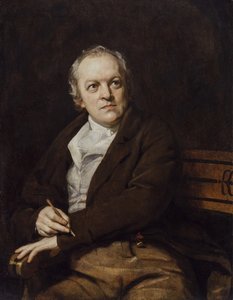
Вільям Блейк
1757 - 1827 , Сполучене Королівство
Короткі факти
- Artistic Movement Or Style: Романтизм
- Artists Or Movements Influenced By This Artist:
- Братство прерафаелітів
- Символізм
- Модернізм
- Artists Who Influenced This Artist:
- Рафаель
- Мікеланджело
- Date Of Birth: 1757
- Date Of Death: 1827
- Full Name: Вільям Блейк
- Nationality: Британська
- Notable Artworks:
- The Ancient of Days
- Isaac Newton
- The Tyger
- The Lamb
- London
- Place Of Birth: Лондон, Великобританія
Пов'язані статті

Sacred Narratives: The Continuity of Biblical Storytelling within the Artistic Canon
Explore the evolution of biblical storytelling through masterworks of light and symbol. Trace the sacred canon with our expert analysis.

Unveiling the Raw Emotion: The Top 25 Masterpieces by Francis Bacon
Immerse yourself in the visceral world of Francis Bacon. Explore our curated list of 25 iconic masterpieces, from distorted figures to haunting portraits. Find inspiration and museum-quality art reproductions for your collection. Discover all masterpieces on AllPaintingsStore.com.

25 Masterpieces by William Blake: The Visionary Art of a Romantic Legend
Step into the visionary world of William Blake. Explore 25 iconic Romantic masterpieces, from his mystical illuminated prints to legendary illustrations. Find inspiration and museum-quality art reproductions for your decor. Discover all masterpieces on AllPaintingsStore.com.


