


 Переглянути в інтер'єрі
 Надіслати
 Поділитися
 Деталі
 Посібник

 Завантажити
 Схожі предмети колекціонування
 Рентгенівське дослідження
 Слайд-шоу
 Статистика переглядів
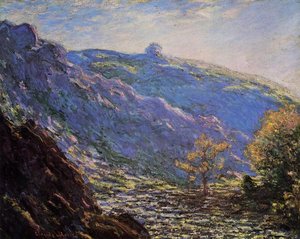
An Ancient Stronghold in France
 81.0 x 100.0 cm
 Читати далі
Олійная репродукція ручної роботи
Написана вручну олією на полотні у вашому розмірі та рамі, виготовлена на замовлення нашими художниками. ( Перейти до друку Перейти до цифрових зображень)




































Обирайте з наших стандартних розмірів, що відповідають оригінальним пропорціям твору мистецтва.

Ви можете вказати власні розміри, щоб репродукція ідеально підійшла до конкретної рами або інтер'єру. Якщо вибраний вами розмір не відповідає пропорціям оригіналу, ми або обріжемо полотно, або доповнимо картину додатковими елементами, промальованими вручну. Цифровий макет буде надіслано вам на затвердження перед початком виробництва.
Зверніть увагу, що попередній перегляд на екрані не відображає фактичне обрізання або розширення зображення. Тільки макет точно покаже остаточну композицію.
Хоча ми можемо виготовити виріб у нестандартному розмірі, для збереження оригінальних пропорцій рекомендуємо обирати варіанти зі встановленого списку.
Після оформлення замовлення команда AllPaintingsStore.com зв'яжеться з клієнтом електронною поштою для отримання інструкцій та надасть попередній макет
Доставка по всьому світу () за 3–4 тижні замість стандартних 5 тижнів. (21 Вересень). Без жодних компромісів у якості.

Безкоштовна експрес-доставка по всьому світу

Високоякісне лляне полотно

Повне страхове покриття доставки

Гарантія повернення митних зборів

Гарантія точного відтворення кольорів

Політика повернення протягом 100 днів (лише у разі виявлення дефектів)

Гарантія повернення 100% коштів

Знижка на оптові замовлення
 Скляний варіант доступний лише для розмірів до 110 см

An Ancient Stronghold in France
Техніка репродукції
Розмір репродукції
-


Загальна вартість
$ 258
Схожі твори мистецтва




Біографія митця
Early Life and Artistic Awakening
Wynford Dewhurst, born Thomas Edward Smith in Manchester, England, in 1864, embarked on a life that would become a fascinating bridge between the classical traditions of European painting and the burgeoning world of Impressionism. Initially destined for a career in law—educated privately and later at Mintholme College—Dewhurst’s path took an unexpected turn when his artistic talent began to surface through published drawings. This early recognition ignited a passion that would lead him away from legal pursuits and towards the vibrant art scene of Paris.
The decision to pursue painting was not merely a change in profession, but a transformation of identity. At the age of 27, Dewhurst legally changed his name, symbolically shedding his former life and embracing his artistic future as Wynford Dewhurst. This act foreshadowed his later role as a champion for new ideas and perspectives within the art world.
Training in Paris and the Embrace of Impressionism
Dewhurst’s formal training began at the prestigious École des Beaux-Arts in Paris, where he became a pupil of Jean-Léon Gérôme. However, despite studying under a master known for his meticulous academic style—a continuation of French Neoclassicism—Dewhurst found himself increasingly drawn to the radical innovations of the Impressionist movement. This divergence highlights an intriguing tension within Dewhurst’s artistic development: a foundation in classical technique coupled with a fervent embrace of modernity.
His initial encounter with Impressionism occurred through the work of Emile Claus, discovered in the Maddocks Collection in Bradford. But it was Claude Monet who would become his most profound influence. The allure of capturing fleeting moments of light and atmosphere resonated deeply with Dewhurst, setting him on a course to explore the possibilities of plein air painting and broken color.
A Theorist of Light: Impressionist Painting
Dewhurst’s contribution extends beyond his canvases; he became a pivotal art theorist. In 1904, he published Impressionist Painting: Its Genesis and Development, the first comprehensive study of French Impressionism in English. This groundbreaking work wasn't simply a descriptive account but a passionate argument for understanding the movement’s origins and significance.
Dewhurst boldly proposed a controversial thesis—that the roots of Impressionism lay not solely within France, but were deeply embedded in the British landscape tradition, particularly in the works of John Constable and J.M.W. Turner. He argued that Monet and his contemporaries had, in essence, developed techniques already pioneered by these earlier British masters, challenging conventional narratives about artistic innovation. While debated—and even refuted by some Impressionists like Pissarro—Dewhurst’s ideas sparked a vital dialogue about the interconnectedness of art history and national influences.
Landscapes of France and England
The landscapes that Dewhurst painted reflect his deep engagement with both French and English scenery. He spent considerable time in the countryside around Dieppe and along the Seine Valley, capturing the subtle nuances of light and atmosphere in works like “Sunrise & River Mist” and “The Brigand’s Mill”. These paintings are characterized by a delicate palette, loose brushwork, and an emphasis on capturing the ephemeral qualities of nature.
His work often depicted scenes of everyday life—picnics, rural settings, and quiet moments in the countryside. While influenced by Monet's style, Dewhurst infused his paintings with a distinctly British sensibility, emphasizing a sense of tranquility and understated beauty. He sought to reconcile the innovations of Impressionism with the traditions of English landscape painting.
Legacy and Historical Significance
Wynford Dewhurst’s legacy is multifaceted. As an artist, he produced a body of work that embodies the spirit of Impressionism while retaining a unique British character. However, his most enduring contribution lies in his role as a theorist and advocate for the movement.
His book, Impressionist Painting, played a crucial role in reintroducing British artists to this style of painting and fostering a deeper understanding of its historical context. He helped to establish Impressionism’s place within the broader narrative of art history, challenging established norms and sparking important debates about artistic influence and national identity.
Though sometimes overlooked, Dewhurst's work and writings were instrumental in shaping the reception of Impressionism in Britain, earning him the moniker “Manchester Monet” and solidifying his position as a significant figure in the Anglo-French art world. His dedication to exploring the connections between artistic traditions continues to resonate with scholars and art enthusiasts today.

wynford dewhurst
1864 - 1941
Довідкова інформація
- Artistic Movement Or Style: Impressionism
- Artists Or Movements Influenced By This Artist: ['British Impressionism']
- Artists Who Influenced This Artist:
- Claude Monet
- Emile Claus
- Jean-Léon Gérôme
- Date Of Birth: January 26, 1864
- Date Of Death: July 9, 1941
- Full Name: Wynford Dewhurst
- Nationality: British
- Notable Artworks:
- Sunrise & River Mist
- The Brigand's Mill
- The Picnic
- Place Of Birth: Manchester, England

