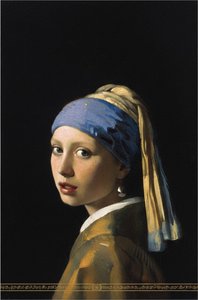
The Master of Haarlem’s Sacred Shadows
In the vibrant, bustling heart of the Dutch Golden Age, a period defined by unparalleled artistic flourishing, the name Dirck Gerritsz Bleker emerged as a profound voice of spiritual intensity. Born in the storied city of Haarlm around 1621, Bleker was not merely a witness to the era's greatness but a vital participant in its creation. As the son of the painter Gerrit Claess Bleker, he was steeped in the language of oils and pigments from his earliest years, inheriting a foundational mastery that would later blossom into a unique, emotive style. His ascent within the prestigious St Luke’s Guild served as a testament to his growing reputation, placing him among the elite craftsmen who shaped the visual identity of the Netherlands.A Symphony of Light and Penitence
Bleker’s artistry is most strikingly felt in his ability to breathe life into biblical narratives, transforming static religious icons into deeply human experiences. He possessed a rare gift for capturing the raw, palpable emotion of the sacred, particularly through his celebrated depictions of Mary Magdalene. In these works, the viewer is not merely observing a saint but witnessing a soul in the throes of profound transformation. This emotional depth was achieved through a masterful command of chiaroscuro—the dramatic interplay of light and shadow—utilizing techniques perfected by masters such as Rembrandt and Caravaggio to sculpt form and evoke atmosphere. By meticulously observing anatomy and the heavy folds of drapery, Bleker used light to pierce the darkness, highlighting the vulnerability of his subjects with breathtaking precision.The Enduring Echo of Allegory
Beyond the singular focus on penitence, Bleker’s oeuvre expanded into complex allegorical landscapes where theology and symbolism intertwined seamlessly. His canvases often served as windows into a world where the divine and the earthly met, using meticulously rendered details to convey deeper spiritual truths. Whether portraying the gravity of Moses and Aaron or the mythological allure of Danae, his work remains anchored in a profound respect for narrative weight. His legacy is defined by this ability to bridge the gap between the monumental and the intimate, leaving behind a collection of works that continue to resonate with an almost haunting beauty. Through his brush, the religious fervor of the seventeenth century was captured not just as dogma, but as a living, breathing, and deeply felt human reality.Питання та відповіді
Чи є хронологічна лінія творів Dirck Gerritsz Bleker?
Сторінка Хронологія творів митця представляє роботи Dirck Gerritsz Bleker, впорядковані за датою, рік за роком.
Де і в якому році народився/народилася Dirck Gerritsz Bleker?
Dirck Gerritsz Bleker народився/народилася в Haarlem у 1621 році.
Де можна знайти роботи Dirck Gerritsz Bleker, згруповані за кольоровою палітрою?
Щоб знайти роботи Dirck Gerritsz Bleker у певній палітрі, скористайтеся сторінкою художника за За кольоровою палітрою.