1/ 100
Леонардо Да Вінчі 1452–1519
Італієць b. Анк'яно Високе Відродження Wikipedia 32/32

Salvator Mundi, повністю або частково приписується автору. Таємна вечеря, Мілан. Вітрувіанська людина, без дати створення.
Renaissance painters at a glance
Леонардо Да Вінчі (1452–1519) is the most famous Renaissance painter, best known for Мона Ліза (Джоконда) and Спаситель світу. Then Мікеланджело Буонарроті, Альбрехт Дюрер, Рафаель Санті and Джотто. The list covers 100 painters born between 1240 and 1634 in 6 countries, from Чімабуе to Лука Джордано.
Method. Scope: artists filed under Renaissance in our catalogue. Order: our artist fame ranking. Excluded: artists born after 1955 without a Wikidata identifier. Wikipedia figure: languages with an article, out of our 32.
Key data
Ranked list
1/ 100
Італієць b. Анк'яно Високе Відродження Wikipedia 32/32
Salvator Mundi, повністю або частково приписується автору. Таємна вечеря, Мілан. Вітрувіанська людина, без дати створення.
2/ 100
Італієць b. Капрезе-Мікеланджело Високе Відродження, маньєризм Wikipedia 32/32
4/ 100
Італієць b. Урбіно Високе Відродження Wikipedia 32/32
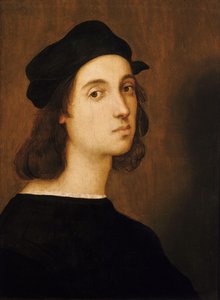
«Мадонна Седжола», Палац Пітті, Флоренція. Портрет Юлія II, Галерея Уффіці, Флоренція. Автопортрет, Галерея Уффіці, Флоренція.
8/ 100
Італійський b. Сан-Джованні-Вальдарно Ранній Ренесанс (Кватроченто) Wikipedia 31/32

9/ 100
Нідерландський b. Гертогенбос Сюрреалізм, Символізм Wikipedia 32/32
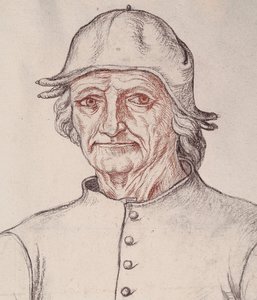
«Сімкляття смертних гріхів», що зберігається в Музеї Прадо в Мадриді, розглядає моральну деградацію через структурований візуальний нарис. Близько 1500 року він створив «Корабель дурнів» — твір, що втілює безглуздість людського існування. Його здатність майстерно передавати гротеск ще яскравіше проявляється у «Спокусі святого Антонія», одній із його визначних робіт. «Триптих «Воза з сіном» також є знаковим зразком у його творчому спадку, представляючи світ, застиглий у нескінченному циклі спокуси та суду.
17/ 100
Італієць b. Сієна Сієнська школа, готика Треченто Wikipedia 31/32
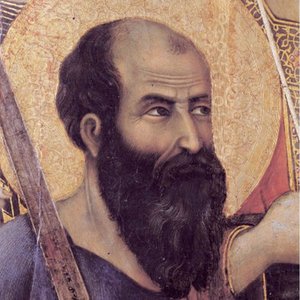
Rucellai Madonna (1285). Христос прощається з апостолами (1308). Christ Taking Leave of the Apostles, Museo dell'Opera del Duomo, Сієна.
18/ 100
Італійський b. Флоренція Візантійський та Ренесанс Wikipedia 28/32
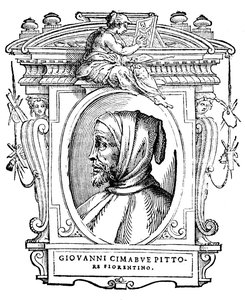
He was a child of the Florentine streets, growing up in a landscape where the heavy, golden formality of the East met a new, restless desire for something more human. This was followed by the Crucifix at San Domenico in Arezzo, dating around 1270, where the body of Christ appears to buckle under the weight of his own agony.
Location To follow the path of his brush is to travel across the great cities of Europe and beyond.
19/ 100
Італієць b. Верона Маньєризм, натуралізм, венеціанська школа Wikipedia 31/32
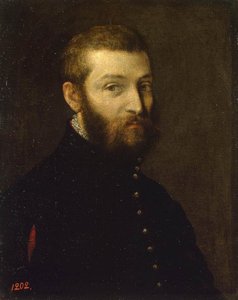
20/ 100
Італієць b. Венеція Венеціанський Ренесанс Wikipedia 30/32

In his youth, his brush followed the strict, linear precision of the International Gothic style, where every edge was clearly defined and every form was contained by a sharp outline. Dead Christ Supported by the Madonna and St John (1460).
Location To walk through the halls of the Gallerie dell'Accademia di Venezia is to encounter the very heart of his legacy, for this collection holds twenty-four of his works.
21/ 100
Італійський b. Флоренція Ранній Ренесанс Wikipedia 31/32

His contribution to the Sistine Chapel, The Vocation of the Apostles, is equally significant, demonstrating his mastery of perspective and narrative storytelling within one of the world’s most iconic artistic spaces. Jerome in His Study (1480): A companion piece to Botticelli’s Saint Augustine, showcasing Ghirlandaio's skill with fresco and attention to detail.
24/ 100
Італієць b. Венеція Венеційське Відродження Wikipedia 26/32

«Легенда про Святу Урсулу» (розпочато у 1490 році).
28/ 100
Німець b. Вюрцбург Німецький ренесанс, Пізня готика Wikipedia 29/32

29/ 100
Фламандська b. Брюссель Золота доба Нідерландів Wikipedia 27/32

30/ 100
Італієць b. Флоренція Високе Відродження та маньєризм Wikipedia 28/32

31/ 100
Німецький b. Регенсбург Данська школа, Ренесанс Wikipedia 28/32
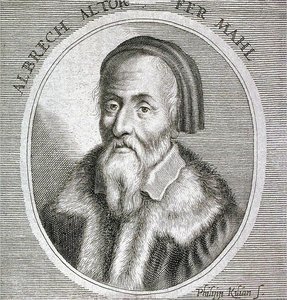
Born around 1480 in Regensburg, a vibrant city nestled on the banks of the Danube River – a location that would profoundly influence his artistic sensibilities – Altdorfer emerged from a family steeped in artistic tradition.
32/ 100
b. Мессіна

“Мадонна з немовлям” (бл. 1460), написана незабаром після цієї зустрічі, є прикладом цього зрушення, демонструючи більш гармонійну колірну схему та більшу елегантність, ніж його попередні роботи. Найзнаменитіші картини Антонелло – включаючи “Святого Єроніма в кабінеті” (бл. 1475) і “Благовіщення” (бл. 1475) – є свідченням його художньої майстерності.
34/ 100
Італійський b. Перуджа Ренесанс Wikipedia 28/32

Working alongside some of the most celebrated artists of the time – Sandro Botticelli, Domenico Ghirlandaio, and Luca Signorelli among them – Pinturicchio contributed to this monumental project, though sadly his frescoes were later destroyed to make way for Michelangelo’s Last Judgement. His fresco, Assumption of Mary, executed in 1481 on the altar wall of the Sistine Chapel, was destroyed in 1535 to make way for Michelangelo’s Last Judgement.
36/ 100
Фламандський b. Гент Ранній нідерландський живопис Wikipedia 25/32

Van der Goes’s artistic signature lies in his ability to infuse religious scenes with a startling sense of immediacy and emotional weight. Perhaps Van der Goes’s most celebrated work is the Portinari Altarpiece, commissioned by Tommaso Portinari, an Italian banker residing in Bruges.
40/ 100
Італійський b. Венеція Ренесанс, Маньєризм Wikipedia 29/32

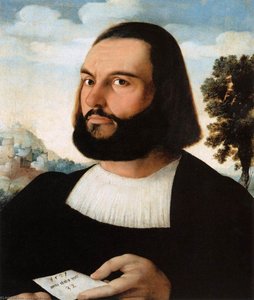
The Venetian light, so prized by these masters, permeates many of Lotto’s earlier paintings, creating an ethereal quality that sets them apart from more rigid depictions. Similarly, Portrait of a 37-year-old Man, showcases Lotto’s ability to convey personality through subtle details—the man’s clothing, his posture, the expression in his eyes all contribute to a compelling psychological portrait.
44/ 100
Німецький b. Швебіш-Гмюнд Ренесанс, Манеризм Wikipedia 25/32

His time in Venice, overseeing Dürer’s affairs, also exposed him to the burgeoning Italian Renaissance art scene, broadening his artistic horizons and subtly influencing his palette and compositional choices.
45/ 100
Італієць b. Флоренція Міжнародна готика, Раннє Відродження Wikipedia 25/32

«Благовіщення» в Терні (1450). Фрески капели Магів (1459–1461).
49/ 100
Національність b. Флоренція Мистецький рух або стиль Wikipedia 27/32

50/ 100
Італійський b. Венеція Різджання, Манієризм Wikipedia 23/32

52/ 100
b. Лейден Wikipedia 23/32

«Святий Павло» – приклад його майстерності гравюри та вміння передавати емоційний стан персонажів.
53/ 100
Нідерландський b. Аудеватер Ранньонідерландське живопис Wikipedia 22/32

Here, David encountered the masterpieces of Jan van Eyck, Rogier van der Weyden, and Hans Memling, absorbing their techniques while simultaneously forging his own distinct path.
57/ 100
Італійський b. Феррара Ранній Ренесанс; Школа Ферра́ри Wikipedia 24/32

58/ 100
Італійський b. Піза Бароко, Караваджізм Wikipedia 22/32

The revolutionary naturalism of Caravaggio burst onto the Roman art scene, challenging established conventions with its dramatic use of light and shadow – tenebrism – and unflinching realism. His paintings – including “Danae,” "The Annunciation," and “The Virgin Mary” – are characterized by their dramatic compositions, vibrant colors, and meticulous attention to detail.
59/ 100
Франція b. Тур Ренесанс портретна живописня Wikipedia 21/32

Jean Clouet, originating from the Southern Netherlands, brought with him to the French court the meticulous detail and realistic approach characteristic of Flemish painting. He possessed an extraordinary ability to convey royal authority and sophistication, as evidenced in several notable depictions of Francis I – masterpieces housed in institutions like the Uffizi Gallery and the Louvre Museum.
70/ 100
Італієць b. Сієна Пізня готика, Сієнська школа Wikipedia 17/32

The Ecstasy of St Francis: Глибоке дослідження духовного екстазу, де він використовує багату палітру синіх, червоних та жовтих кольорів для зображення трансформаційної сили віри. The Arte della Lana Altarpiece: Одна з його найперших достовірних робіт, що демонструє технічну витонченість, яка згодом стане його підписом.
71/ 100
Італієць b. Конельяно Мистецтво венеціанського Відродження Wikipedia 19/32

72/ 100
Німецький b. Віттенберг Живопис епохи Відродження Wikipedia 25/32

73/ 100
Італійський b. Флоренція Четверте Століття італійського живопису (Кватроченто) Wikipedia 24/32

74/ 100
Італієць b. Венеція Пізня готика, Венеційська готика Wikipedia 23/32

This combination of the highly decorative and the intensely realistic created a visual language that was uniquely his own, characterized by: A strong linear decorative sense.
75/ 100
Італійський b. Сієна Пізня готична / Ранній ренесанс Wikipedia 22/32

It was during this period that Monaco adopted the name Lorenzo Monaco—a moniker signifying “Lawrence the Monk”—reflecting his unwavering devotion to God and his commitment to upholding monastic traditions.
78/ 100
Венеціанська b. Бассано-дель-Граппа Венеціанське Відродження Wikipedia 24/32

82/ 100
Італійський b. Флоренція Готичний, Ранній ренесанс Wikipedia 20/32

Consider The Last Supper, painted in 1395 – a scene imbued with both solemnity and exquisite detail. Agnolo Gaddi’s artistic reputation rests largely on his monumental frescoes within the Basilica di Santa Croce in Florence.
84/ 100
Італійський b. Думенца Ренесанс, Маньєризм Wikipedia 20/32

Early works like The Adoration of the Magi (c. 1505), painted for San Pietro in Luino, already hint at this emerging style – showcasing a delicate handling of light and shadow, a masterful use of perspective, and a growing sense of spatial depth.
85/ 100
Італійський b. Сан-Годенцо Ранній Ренесанс Wikipedia 24/32

The Assumption with Saints Julian and Miniato (c. 1449-1450), now housed in Berlin, further exemplifies this stylistic progression, demonstrating Castagno’s ability to handle large-scale compositions with dynamic energy.
86/ 100
Італійське Відродження b. Феррара Феррарська та Болонська школи Wikipedia 22/32

87/ 100
Нідерландський b. Лейден Ранній нідерландський стиль Wikipedia 20/32

Geertgen tot Sint Jans distinguished himself through several key artistic innovations. These panels— The Legend of Saint John the Baptist and The Lamentation of Christ —now reside in Vienna’s Kunsthistorisches Museum, their separation from the original structure a poignant reminder of art's vulnerability to historical forces.
94/ 100
Італійський b. Флоренція Ранній Ренесанс Wikipedia 28/32

Lorenzo Ghiberti, a young man brimming with ambition and talent, entered this arena alongside some of the era's most formidable minds, including Filippo Brunelleschi, a rival whose architectural genius would challenge Ghiberti’s own creative vision. Ghiberti’s mastery of bronze casting and relief sculpture reached its zenith in these works.
95/ 100
Нідерландська b. Утрехт Портретний живопис Відродження Wikipedia 20/32

96/ 100
Італійський b. Брешія Ренесанс мистецтво Wikipedia 16/32

Best-known works
Chronology
Statistics
| Італія | 69 |
|---|---|
| Німеччина | 10 |
| Бельгія | 9 |
| Нідерланди | 8 |
| Франція | 3 |
| Сполучене Королівство | 1 |
| 13th century | 5 |
|---|---|
| 14th century | 11 |
| 15th century | 69 |
| 16th century | 14 |
| 17th century | 1 |
| Галерея Уффіці | 18 |
|---|---|
| Національна галерея | 16 |
| Державні музеї Берліна | 12 |
| Kunsthistorisches Museum | 12 |
| Лувр | 9 |
| Музей Прадо | 9 |
| Метрополітен-музей | 9 |
| Gallerie dell'Accademia di Venezia | 7 |
Index
Леонардо Да ВінчіІталієць · 1452–1519Мікеланджело БуонарротіІталієць · 1475–1564 Альбрехт ДюрерНімець · 1471–1528Рафаель СантіІталієць · 1483–1520
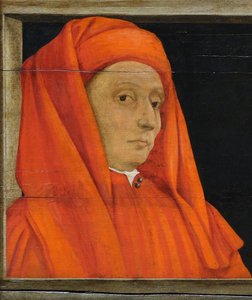 Джотто1267–1337
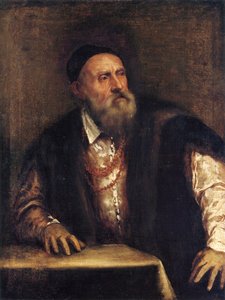 ТіціанІталієць · 1490–1576
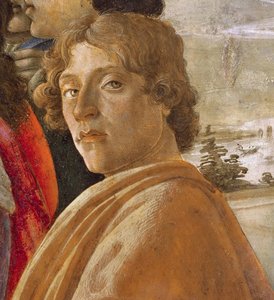 Сандро БоттічелліІталієць · 1445–1510МазаччоІталійський · 1401–1428Ієронімус БосхНідерландський · 1450–1516
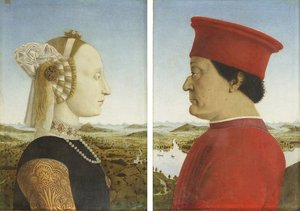 П'Єро Делла ФранческаІталієць · 1415–1492
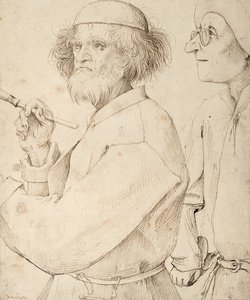 Пітер Брейгель СтаршийФламандська · 1525–1569
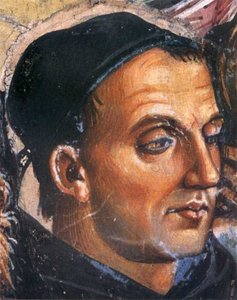 Фра АнджелікоІталієць · 1395–1455
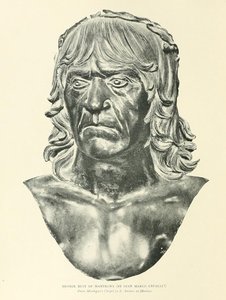 Андреа МантеньяІталієць · 1431–1506
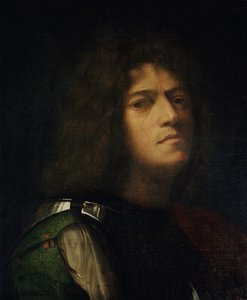 ДжорджонеІталієць · 1478–1510
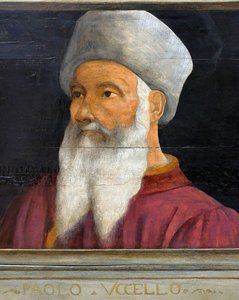 Паоло УчеллоІталійський · 1397–1475
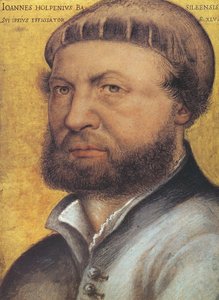 Ганс Гольбайн молодшийНімець · 1497–1543Дуччо ді БуонінсеньяІталієць · 1255–1319ЧімабуеІталійський · 1240–1302Паоло ВеронезеІталієць · 1528–1588Джованні БеллініІталієць · 1430–1516Доменіко ҐірляндайоІталійський · 1448–1494
 Лукас Кранах СтаршийНімець · 1472–1553
 П'єтро ПеруджіноІталієць · 1448–1523Вітторе КарпаччоІталієць · 1465–1526
 Софонісба АнгіссолаІталійська · 1532–1625
 Філіппо ЛіппіІталійський · 1406–1469
 Антоніо да Корреджо1489–1534Маттіас ГрюневальдНімець · 1480–1528Пітер Брюгель МолодшийФламандська · 1564–1638Андреа Дель СартоІталієць · 1486–1530Альбрехт АльтдорферНімецький · 1480–1538Антонелло Да Мессіна1430–1479
 Філіппіно Ліппі1457–1504ПінтуріккіоІталійський · 1454–1513
 Амброджо Лоренцетті1290–1348Гуго ван дер ГусФламандський · 1440–1482
 Квентін Массейс1466–1530
 ДонателлоІталієць · 1386–1466
 Андреа дель ВерроккйоІталійський · 1435–1488Лоренцо ЛоттоІталійський · 1480–1556
 Лука Делла РоббіаІталієць · 1399–1482
 Джентіле БеллініІталієць · 1429–1507
 Антоніо ПоллайолоІталієць · 1429–1498Ганс БальдунгНімецький · 1485–1545Беноццо ҐоццоліІталієць · 1420–1497
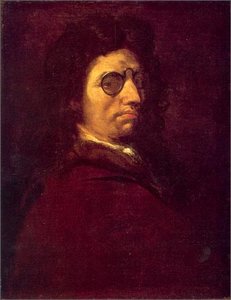 Лука ДжорданоІталієць · 1634–1705
 П'Єтро ЛоренцеттіІталієць · 1280–1348
 МабюзФламандська · 1478–1532П'єро ді КозімоНаціональність · 1462–1522Себастьяно дель ПьйомбоІталійський · 1485–1547
 Мазоліно Да ПанікалеІталієць · 1383–1447Лука Лейденський1494–1533Герард ДавидНідерландський · 1460–1523
 Ніколас ХіллардАнглійський · 1547–1619
 Якопо БеллініІталієць · 1400–1470
 СодомаІталієць · 1477–1549Козімо ТураІталійський · 1430–1495Ораціо ДжентілескіІталійський · 1563–1639Франсуа КлуеФранція · 1510–1572
 Доменіко ВенеціаноІталієць · 1410–1461
 Міхаель ПахерТирольський · 1435–1498
 Таддео Гаддііталієць · 1300–1366
 Конрад ВіцНімець · 1400–1445
 Пальма ВеккьоІталієць · 1480–1528
 Франческо дель КоссаІталієць · 1436–1477
 Жан ФукеФранцуз · 1420–1478
 Дірік БаутсНідерландська · 1415–1475
 Бартоломеус СпрангерФламандська · 1546–1611
 Лука СіньорелліІталієць · 1450–1523СассеттаІталієць · 1392–1450Джованні Баттіста Чіма Да КонельяноІталієць · 1459–1517Лукас Кранах МолодшийНімецький · 1515–1586Козімо РосселліІталійський · 1439–1507Карло КрівелліІталієць · 1435–1495Лоренцо МонакоІталійський · 1370–1425
 Донато БрамантеІталієць · 1444–1514
 Фра БартоломеоІталієць · 1472–1517Якопо БассаноВенеціанська · 1510–1592
 Філіппо БрунеллессіІталійський · 1377–1446
 Лоренцо ді КредіІталієць · 1459–1537
 Франческо ді Джорджо ді МартініІталійський · 1439–1501Аньйоло ГаддіІталійський · 1350–1396
 Жан КлуеФранцуз · 1480–1541Бернардіно ЛуїніІталійський · 1480–1532Андреа дель КастаньйоІталійський · 1420–1457Лоренцо КостаІталійське Відродження · 1460–1535Гертген тот Синт ЯнсНідерландський · 1460–1490
 Франс ФлорісФламандська · 1517–1570
 Паріс БордонеІталієць · 1500–1571
 Ганс Гольбейн Старший1465–1524
 Франческо ФранчаІталієць · 1447–1517
 Йоахім ПатінірФламандська · 1480–1524
 Йохім ПатінєрФламандська · 1481–1524Лоренцо ДжибертіІталійський · 1378–1455Antonis MorНідерландська · 1519–1575Алессандро Бонвічіно (Моретто Да Брешіа)Італійський · 1498–1554
 Мартен Де Вос1532–1603
 Ян ван СкорельНідерландська · 1495–1562
 Франческо МельціІталієць · 1491–1570
 Ганс Бургкмайр СтаршийНімець · 1473–1531
FAQ
Леонардо Да Вінчі (#1) comes first, ahead of Мікеланджело Буонарроті (#2) and Альбрехт Дюрер (#3).
Леонардо Да Вінчі (#1), Мікеланджело Буонарроті (#2), Альбрехт Дюрер (#3), Рафаель Санті (#4) and Джотто (#5).
“Here, he learned to command the delicate medium of egg tempera and the demanding art of mosaic design, skills that would define his long career as both a painter and a designer of mosaics.” — from our biography of Чімабуе (#18).
1 women are in this ranking: Софонісба Ангіссола (#25).
Most painters in this list were born in the 15th century (69 of 100), between 1240 and 1634 overall.
The highest-ranked painters born in Італія are Леонардо Да Вінчі (#1), Мікеланджело Буонарроті (#2), Рафаель Санті (#4), Джотто (#5) and Тіціан (#6).
The earliest-born painter in this list is Чімабуе (#18), born in 1240.
The highest-ranked painters born in Німеччина are Альбрехт Дюрер (#3), Ганс Гольбайн молодший (#16), Лукас Кранах Старший (#22), Маттіас Грюневальд (#28) and Альбрехт Альтдорфер (#31).
Італія: 69 of the 100 painters in this list were born there, then Німеччина (10) and Бельгія (9).
The museums holding the most key works of this list are Галерея Уффіці (18), Національна галерея (16) and Державні музеї Берліна (12).
Флоренція: 17 of the painters in this list were born there.
Our catalogue holds 19,218 works by these painters. Each one can be ordered as a hand-painted oil reproduction or a print.
Guides
Other lists
 Famous Baroque artistsНічна варта · Рембрандт
 Famous Contemporary Realist artistsЗбирачки · Жан-Франсуа Мілле
 Famous Impressionist artistsЗорі Ніч (Нью Йорк, MoMA) · Вінсент Ван Гог
 Famous Romanticist artistsСатурн, що пожирає свого сина · Франсіско-Хосе де Гоя
 Famous Neoclassicist artistsСмерть Марата · Жак-Луї Давід
 Famous Realist artistsПоходження світу · Гюстав Курбе
 Famous Dutch Golden Age artistsДівчина з перловою сережкою · Ян Вермер
 Famous Expressionist artistsКомпозиция VII · Кандінський Василь Васильович
 Famous Rococo artistsВідплив до Кітер · Антуан Ватто
 Famous Pop Art artistsКампаньєлівські банки супу · Енді Воргол
By period
 Famous Early Medieval artistsSnowy River · Ван Вей
 Famous High Medieval artistsMadonna and Child Enthroned (Maesta) · Чімабуе
 Famous Late Medieval artistsБлаговіщення та двоє святих · Сімоне Мартіні
 Famous Early Modern artistsПокликання святого Матвія · Мікеланджело да Караваджо
 Famous 19th Century artistsВодяні лілії (або Латаття) · Клод Моне
 Famous Modern artistsГерніка · Пабло Пікассо
 Famous Contemporary artistsWind Sculpture III (one in a series of nine) · Yinka Shonibare
Related lists