


 效果预览
效果预览
 购买印刷品
购买印刷品 分享
分享 分享
分享
 详情
详情

 下载
下载
 相似作品
相似作品 X射线
X射线 幻灯片播放
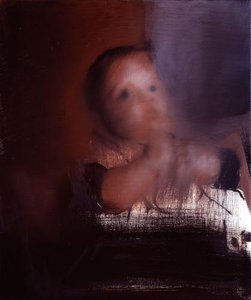
幻灯片播放Window (forest)
 2009
2009 46.0 x 31.0 cm
 EMMA - Espoo Museum of Modern Art
 展开详情
展开详情
购买高分辨率增强版数字图像,其品质远超在线预览。
每一份文件都由我们的内部专家使用先进工具与专业的后期润色技术精心打造。我们确保每一张图像都具备卓越的清晰度、精准的色彩还原度以及细腻的细节表现。
最终文件将在 72 小时内通过电子邮件交付,并针对专业、编辑及印刷用途进行了优化。其品质与顶级设计工作室、出版社和画廊所信赖的标准完全一致。
每份数字图像订单均包含
专业数字图像交付,品质保障
选择 AllPaintingsStore.com,您获得的不仅仅是一张图像——您收到的是经过专业级增强、精雕细琢的数字艺术作品,并享有满意保证。以下是您的订单中自动包含的所有内容:

邮件快速送达
您的高分辨率数字图像文件将在下单后 72 小时内通过电子邮件发送给您 —— 即可立即使用。

AI 增强型数字文件
您的艺术品经过专业优化,结合先进的 AI 技术与人工修饰,确保呈现极致的细节、清晰度与色彩准确度。

终身免费重发服务
不小心删除了文件或找不到了?没关系——我们将随时为您免费重发。

无需进口费用,始终如一
即刻拥有您的艺术作品,无需支付任何关税、税费或运费——数字下载始终免税。

色彩精准保证
我们通过专业工具与色彩管理技术,确保您的数字图像尽可能真实地还原原作色彩。

60天满意保证
如果您对所购买的数字图像不满意,我们将在60天内为您进行修改或退还100%的款项——无需任何解释。

100% 退款保证
如果不满意?在收到数字文件后的60天内,我们为您提供全额退款——无需任何理由。

批量订单优惠
购买 3 张图片可享 10% 折扣 - 购买 5 张可享 15% 折扣 - 购买 10+ 张可享 20% 折扣。非常适合创意项目、画廊和机构使用。





艺术家简介
Jean-Michel Basquiat: A Life Forged in the Crucible of New York
Jean-Michel Basquiat, a name synonymous with raw energy and defiant expression, emerged from the vibrant, turbulent landscape of 1980s New York City. Born in Brooklyn in 1960 to Haitian immigrant parents, his early life was steeped in cultural duality – the rhythms of Caribbean heritage intertwined with the burgeoning street art scene of America’s urban heart. This complex background profoundly shaped his artistic vision, informing a body of work that grappled with themes of race, class, power, and identity with unflinching honesty. Initially collaborating with Al Diaz under the pseudonym SAMO, Basquiat and Diaz plastered the Lower East Side with enigmatic graffiti poems, challenging established art institutions and laying the groundwork for Basquiat’s later, more individualistic style.
- Early Influences: Basquiat's artistic journey was fueled by a diverse range of influences. He devoured literature – particularly the works of Edgar Allan Poe and Charles Baudelaire – absorbing their explorations of darkness, alienation, and the subconscious. His interest in music, especially jazz and blues, provided a rhythmic foundation for his visual language.
- The SAMO Period (1976-1981): This collaborative phase saw Basquiat and Diaz producing hundreds of cryptic poems and images on walls throughout Manhattan. These works were not merely graffiti; they were a deliberate critique of American society, questioning consumerism, racism, and the hypocrisy of the art world.
- Transition to Painting: By 1982, Basquiat began to transition from street art to painting, developing his signature style characterized by bold colors, fragmented figures, and layered symbolism.
The Language of Symbols and Social Commentary
Basquiat’s paintings are not easily deciphered; they operate as a complex visual lexicon, rich in personal iconography and historical references. He frequently employed skulls – a potent symbol of mortality and the fragility of life – alongside crowns, representing royalty and aspiration, often juxtaposed with images of poverty and oppression. His work is deeply rooted in African art and mythology, drawing on motifs of power, spirituality, and ancestral connection. The incorporation of text—words, phrases, and names—further layered meaning into his compositions, creating a dialogue between image and language.
- Skull Imagery: The recurring skull motif served as a constant reminder of mortality, reflecting Basquiat’s awareness of his own precarious existence and the systemic inequalities that plagued society.
- Crowns and Royalty: These symbols represented Basquiat's ambition to transcend social limitations and achieve recognition within the art world, while simultaneously critiquing the concept of inherited privilege.
- Historical References: He frequently referenced historical figures—from abolitionists like Frederick Douglass to jazz musicians like Miles Davis—weaving their stories into his visual narratives.
A Short but Monumental Career
Despite his tragically short life – Basquiat died in 1988 at the age of 27 from a heroin overdose – he left an indelible mark on the art world. His meteoric rise to fame was remarkable, culminating in exhibitions at prestigious institutions like the Whitney Museum of American Art and Documenta in Kassel. He quickly became one of the most celebrated artists of his generation, challenging conventional notions of artistic expression and pushing the boundaries of neo-expressionism.
- Documenta 7 (1982): Basquiat’s inclusion in this landmark international art exhibition catapulted him to international recognition.
- Whitney Biennial (1982 & 1988): His exhibitions at the Whitney Museum solidified his position as a leading voice within the American art scene.
- Critical Acclaim and Market Value: Basquiat’s work quickly gained significant critical acclaim and, subsequently, substantial market value, becoming one of the most sought-after artists of the 1980s.
Legacy and Enduring Relevance
Jean-Michel Basquiat's art continues to resonate deeply with contemporary audiences. His unflinching exploration of race, identity, and social injustice remains profoundly relevant in an era grappling with similar issues. More than just a painter, he was a cultural commentator, a poet of the streets, and a visionary artist who challenged the status quo and demanded recognition for his unique perspective. His work serves as a powerful reminder of the complexities of American history and the enduring struggle for equality and justice – a legacy etched in vibrant color and defiant symbolism.

anni leppälä
1981 - , Finland
基本信息
- Artistic Movement Or Style: Neo-expressionism
- Artists Or Movements Influenced By This Artist:
- Graffiti art
- Hip-hop culture
- Artists Who Influenced This Artist:
- Pace
- Pollock
- Dubois
- Date Of Birth: December 22, 1960
- Date Of Death: August 12, 1988
- Full Name: Jean-Michel Basquiat
- Nationality: American
- Notable Artworks:
- Irony of Negro Policeman
- Skull of Doom
- Untitled (1982)
- Boy and Dog in a Johnnypump
- Defacement
- Hollywood Africans
- Place Of Birth: New York City, USA



