- 首页

- 油画复制品
- 阿尔特米西亚·真蒂莱斯奇
- Self-portrait as a Female Martyr (also known as Female Martyr)

 购买版画
购买版画 分享
分享 分享
分享
 详情
详情

 下载
下载
 相似作品
相似作品 X射线
X射线 幻灯片播放
幻灯片播放Self-portrait as a Female Martyr (also known as Female Martyr)


 展开详情
展开详情




P118B $10

P118H $10

P118W $10

P438Z $10

P508JH $12

P508YH $12

P805H $10

P805Z $10

P919BZ $10

P919G $10

P919XJ $10

P959ZH $10

P968JZ $12

W106C $8

W218G $10

W218JH $8

W218Y $10

W307PJ $10

W316G $10

W316PJ $8

W316Y $10

W398PJ $8

W4111J $10

W500HY $15

W500JH $15

W692G $12

W849H $8

W940BG $15

W953PJ $8




从与原作比例一致的预设尺寸中进行选择。

您可以输入自定义尺寸,以适配特定的画框或空间。如果所选尺寸与原图比例不符,我们将通过裁剪作品或添加手绘元素来扩展画面。数字样稿将在制作开始前发送给您确认。
请注意,屏幕预览无法准确反映实际的裁剪或扩展效果,只有样稿才能真实呈现最终的构图。
虽然我们提供定制尺寸服务,但为了保留原作比例,建议您从预设列表中选择尺寸。
下单后,AllPaintingsStore.com 团队将通过电子邮件联系客户获取具体要求,并提供效果预览图。


 玻璃选项仅适用于110厘米以下的尺寸。

Self-portrait as a Female Martyr (also known as Female Martyr)
复制材质
复制品尺寸
-


最终总价
-
作品详情
A Portrait of Courage: Artemisia Gentileschi’s ‘Self-Portrait as a Female Martyr’
Artemisia Gentileschi stands apart in the annals of Baroque art, not merely for her prodigious talent but for embodying an audacious spirit—a woman daring to assert herself within a patriarchal society that sought to confine female creativity. Born into a Roman artistic family, her father, Orazio Gentileschi, was himself a celebrated painter who championed Caravaggio’s revolutionary approach to illumination and realism, shaping Artemisia's formative artistic education profoundly. This upbringing instilled in her an unwavering conviction that artistic ambition knew no gender boundaries; it was a privilege rarely afforded to women of her time. Recognizing his daughter’s exceptional abilities, Orazio defied convention by providing her with opportunities unheard of for females during the seventeenth century—a testament to his belief in her potential and a crucial factor in nurturing her extraordinary artistic journey.The Dramatic Baroque Style
Gentileschi's distinctive style is instantly recognizable: characterized by dramatic chiaroscuro – the masterful interplay of light and shadow – reminiscent of Caravaggio’s influence, it elevates her self-portrait beyond mere likeness into a profound meditation on resilience and inner strength. The artist employs bold brushstrokes and vibrant colors to convey emotion with palpable intensity. Notice how the reddish hue of the dress draws the eye upwards, mirroring the upward gaze of Artemisia herself—a gesture laden with defiance and determination. This technique isn’t simply about visual aesthetics; it's a deliberate choice designed to capture the psychological state of the subject, reflecting her unwavering conviction in her own worth.Symbolism Within Composition
The painting’s composition is meticulously crafted, incorporating symbolic elements that deepen its meaning. The placement of two vases—one on the left and another on the right—serves as a subtle nod to classical ideals of beauty and harmony, juxtaposed against the turbulent emotional landscape depicted within the portrait. Furthermore, Artemisia's gaze directly confronts the viewer, establishing an intimate connection between artist and observer – a bold assertion of presence in a period where female artists were often marginalized and underestimated. The green object held in her hand—its precise nature remains elusive—could represent hope or perhaps a reminder of past suffering, adding layers of complexity to the narrative conveyed by the artwork.Historical Context: Challenging Societal Norms
Created in 1615, ‘Self-Portrait as a Female Martyr’ emerged during a time when women faced significant obstacles in pursuing artistic careers. Artemisia Gentileschi bravely navigated these limitations, securing patronage and acclaim despite societal prejudices—a remarkable feat considering the prevailing attitudes of the era. Her self-portrait serves as a defiant declaration against patriarchal constraints, asserting her identity as an artist and woman simultaneously. It stands as a poignant reminder of the struggles faced by female creatives throughout history and celebrates Artemisia’s unwavering commitment to artistic expression in defiance of convention.Emotional Resonance: A Portrait of Inner Strength
Ultimately, Gentileschi's ‘Self-Portrait as a Female Martyr’ transcends mere visual representation; it communicates an enduring message of courage and self-assuredness. The artist’s intense gaze embodies unwavering conviction—a refusal to succumb to adversity and a steadfast belief in her own capabilities. This portrait continues to inspire viewers today with its powerful depiction of feminine resilience, cementing Artemisia Gentileschi's legacy as one of the most significant figures in Baroque art and a beacon of artistic empowerment.相似艺术品


艺术家简介
巴洛克时代的女性先驱:阿尔特米西亚·真蒂莱斯基
在艺术史的长河中,阿尔特米西亚·真蒂莱斯基的名字闪耀着独特的光芒。她不仅仅是一位画家,更象征着坚韧、反抗和非凡的艺术才华。1593年出生于罗马,她沐浴在艺术氛围之中——她的父亲奥拉齐奥·真蒂莱斯基本身就是一位备受尊敬的画家,深受卡拉瓦乔革命性现实主义的影响。自幼,阿尔特米西亚的天赋便显露无遗,在父亲的工作室里接受悉心培养,掌握了构图技巧和光影运用,这些都将成为她独特风格的标志。这种早期训练不仅仅是绘画技巧的磨练,更是一场艺术野心的沉浸式体验,然而这往往是一个对女性紧闭的大门。
奥拉齐奥敏锐地察觉到女儿非凡的天赋,为她提供了其他女性难以企及的机会,允许她在生活中学习人体解剖学——这是发展准确的人体结构和表现力至关重要的一步。阿尔特米西亚的艺术发展深受卡拉瓦乔的明暗对比法(tenebrism)的影响,这种手法通过强烈的光影对比赋予画面深刻的情感冲击力。然而,她并没有简单地模仿父亲或卡拉瓦乔,而是开创了自己的独特声音,以其原始的心理深度和对女性主题的引人注目的关注而著称,这些女性通常被描绘出前所未有的力量和自主性。即使在早期作品中,如《苏珊娜与长老》(1610),这幅圣经场景描绘了苏珊娜受到两个色欲老人的窥探,阿尔特米西亚的诠释也不同于传统的刻画。在这里,苏珊娜并非被动地脆弱,而是展现出一种安静的尊严和抵抗力,预示着她日后作品中强大女性形象的出现。
苦难中的绽放:艺术与个人经历
阿尔特米西亚的人生轨迹因一场可怕的事件而发生了改变:她被同为画家的阿戈斯蒂诺·塔西强暴。随之而来的审判(1611-1612)成为一场公开的闹剧,阿尔特米西亚遭受了严厉的盘问和社会谴责。尽管她勇敢地指控塔西,但审讯过程却充斥着偏见和试图诋毁她名誉的行为。这场创伤深刻地影响了她的一生和艺术创作,赋予了她的作品一种情感强度,一些学者认为这与她个人的经历直接相关。这场审判本身成为了一个象征,代表着在父权社会中寻求正义的女性所面临的挑战。尽管经历了这一磨难,阿尔特米西亚并没有选择沉默,而是拿起画笔,将创伤转化为油彩和画布。
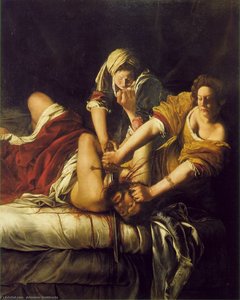
她的复仇是鲜活而充满力量的。《朱迪斯斩杀霍洛弗尼》(约1620年)可能是她最著名的作品之一,展现了戏剧性的现实主义和女性赋权。这不仅仅是一幅暴力行为的描绘;它更是一次对勇气、决心以及为保卫人民而战的女性的深刻探索。这种令人不安的强度,对行为本身的毫不掩饰的描绘,震惊并吸引了当时的观众——并且至今仍然如此。其他重要的作品,如《朱迪斯与侍女》(1625年)和《达娜厄》(约1636-1639年),进一步展示了她不断发展的风格,在她的女性主角身上展现出脆弱和力量并存的状态。她以如此逼真地描绘人体肌肤的能力,结合对明暗对比的精湛运用,创造出既令人恐惧又极具感染力的场景。
超越时代的遗产
阿尔特米西亚·真蒂莱斯基的职业生涯跨越数十年,充满了艺术创新和个人韧性。她为著名的赞助人服务,包括美第奇家族,并建立了自己的工作室,证明了女性不仅可以胜任艺术家,而且可以在一个传统上由男性主导的行业中取得成功。几个世纪以来,她的作品经常被她的生活经历所掩盖,通过丑闻而非艺术价值来解读。然而,从20世纪开始,人们对她的艺术进行了重大重新评估,认识到她是巴洛克时期最重要的创新画家之一。如今,她的画作因其情感深度、戏剧性现实主义和强大女性形象的描绘而受到赞赏——这些女性并非被动的事物,而是自己叙事的积极参与者。阿尔特米西亚·真蒂莱斯基不仅仅是一位艺术家;她还是一个女权主义偶像,一位开创先河,她打破了社会期望,留下了继续激励后代人的遗产。她的故事是一个强有力的提醒,要认识和庆祝历史上一位女性的贡献——并确保她们的声音永远不会被压制。
主要作品
- 朱迪斯斩杀霍洛弗尼(1614-1620):她最著名的作品之一,展现了戏剧性的现实主义和女性赋权。
- 苏珊娜与长老(1610):她的早期杰作,展示了她对经典圣经场景的独特诠释。
- 朱迪斯与侍女(1625):引人注目的女性团结和力量的描绘,在暴力行为之后。
- 达娜厄(约1636-1639):对神话人物的感性而心理复杂的描绘。
阿尔特米西亚·真蒂莱斯奇
1593 - 1656 , 意大利
艺术家简介
- 全名: 阿尔特米西亚·真蒂莱斯奇
- 出生地点 (城市和国家): 罗马,意大利
- 出生日期: 1593年7月8日
- 受此艺术家或运动影响的艺术家:
- 女性主义艺术
- 巴洛克画家
- 国籍: 意大利人
- 影响该艺术家的艺术家:
- 卡拉瓦乔
- 奥拉齐奥·真蒂莱斯奇
- 艺术运动或风格: 巴洛克绘画
- 著名作品:
- 朱迪斯斩杀霍洛弗尼
- 苏珊娜与长老
- 达纳厄
- 朱迪斯与侍女
相关文章

巴洛克艺术巅峰:十部巨作定义时代,点亮您的臻品格调
探索巴洛克艺术的辉煌!本文精选十部巨作,带您领略卡拉瓦乔、伦勃朗等大师的光影魔法与戏剧张力。从黄金时代到宗教绘画,感受奢华与精致。AllPaintingsStore.com为您提供博物馆品质的艺术复制品和家居装饰灵感。尽在AllPaintingsStore.com!

重塑艺术史:女性艺术家崛起与当代影响——跨越世纪的艺术觉醒
深入探索女性艺术家在艺术史上的贡献与当代影响。AllPaintingsStore带您了解被忽视的先驱、策展的力量,以及全球女性艺术家的崛起。专业视角,权威解读,重塑对艺术的认知。

Antonio da Correggio: Innovation, Illusionism & the Poetics of Grace in Renaissance Painting
Explore the revolutionary art of Antonio da Correggio, a master of Renaissance illusionism and chiaroscuro. Discover his frescoes, mythological paintings & lasting influence on Baroque art. Expert analysis & key works featured.

人工智能赋能:巴洛克与浪漫主义风格迁移技术在情感人像增强中的应用
AllPaintingsStore.com利用人工智能技术,将您的照片转化为巴洛克或浪漫主义风格的艺术杰作。定制手绘油画,专业艺术家团队打造,情感人像增强,品质保证!立即体验AI Masterpiece Painting。

The Visceral Stage: Exploring Dramatic Narratives & Emotional Intensity in Baroque Art
Explore the dramatic world of Baroque art! Discover iconic masters like Caravaggio & Rembrandt, their techniques, and the movement's lasting impact. Expert insights for collectors & enthusiasts at AllPaintingsStore.