


 实景预览

 分享
 分享
 详情
 指南


 下载作品
 相似作品
 X射线
 幻灯片播放
 问答
 统计数据
Untitled

- 15.0 x 19.0 cm

 展开全文
艺术微喷/版画
博物馆级艺术微喷或帆布版画,制作高效,并提供多种饰面选择。 ( 订购纯手工绘制画作 切换至数字图像销售渠道)
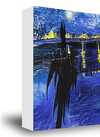
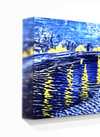
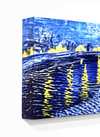



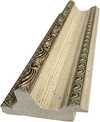
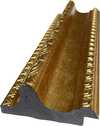
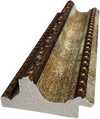
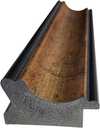
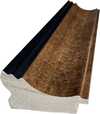




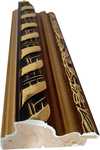

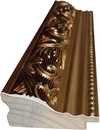
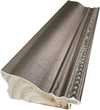


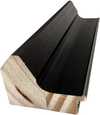
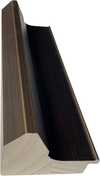


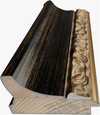


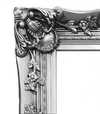

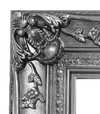
您可以从与原作比例一致的预设尺寸中进行选择。

请输入您所需的宽度和高度,以适配您的画框或墙面。由于印刷品只能进行裁剪,无法超出原图尺寸,因此若比例不一致,画面的一部分将会被裁切。在正式印刷之前,我们会为您发送一份数字效果图供您确认。本页面显示的图片并非最终裁剪后的效果——只有效果图才能展示真实的裁剪情况。


 玻璃选项仅适用于110厘米以下的尺寸。

Untitled
艺术微喷/版画
复刻品尺寸
-


最终结算价
¥ 435
常见问题与解答
我可以在这里订购"Untitled"的油画复制品吗?
您可以在Benode Behari Mukherjee 的《Untitled》的手工油画复刻页面直接订购其手绘复制品:亚麻画布手工油画复制品,按需定制。
Benode Behari Mukherjee 的《Untitled》中的主导色调是什么?
Benode Behari Mukherjee 的《Untitled》 的主导色调为 Ochre to Sepia,这一色调构成了整个色板的基调。
Benode Behari Mukherjee 的《Untitled》 的色彩浓郁度如何?
“Untitled”的色彩强度为Balanced。强度描述了色彩呈现的浓郁程度。
相似作品


艺术家简介
The Visionary of Santiniketan: The Life and Legacy of Benode Behari Mukherjee
Benode Behari Mukherjee stands as a monumental figure in the tapestry of Indian art history, a pioneer whose work breathed life into the movement known as Contextual Modernism. Born in 1904 in Behala, West Bengal, his journey was one defined by an extraordinary triumph of spirit over physical limitation. From a young age, Mukherjee faced severe visual impairments, a condition that would later culminate in near-total blindness following a tragic surgical complication in the mid-1950s. Yet, rather than allowing darkness to dim his creative flame, he transformed his sensory experience into a profound new way of seeing, finding depth in texture, rhythm, and the very essence of form. His artistic soul was forged within the hallowed halls of Kala Bhavana at Santiniketan, the experimental art school founded by the legendary Rabindranath Tagore. Under the masterful mentorship of Nandalal Bose and Ramkinkar Baij, Mukherjee became part of a unique intellectual and creative ecosystem. This environment encouraged him to look beyond the colonial academic traditions of the time, instead seeking a synthesis between India’s rich indigenous heritage and the burgeoning currents of global modernism. His early training was not merely about technique but about an ontological connection to the land, the local landscape, and the spiritual pulse of Indian iconography.A Synthesis of Tradition and Modernity
Mukherjee’s aesthetic language is a masterful dialogue between the ancient and the avant-garde. He possessed a rare ability to weave together the delicate precision of Indian miniature painting and the flowing grace of Japanese calligraphy with the bold, structural experimentation of Western abstraction. His work rejected the mere imitation of nature, opting instead to capture the underlying energy and "context" of his surroundings. This approach allowed him to create art that felt deeply rooted in the soil of Bengal while simultaneously speaking the universal language of modernism. His mastery extended far beyond the canvas, as he was one of the earliest Indian artists to embrace the monumental scale of murals. These large-scale works were not merely decorations but architectural dialogues, integrating seamlessly with their environments to depict the lives, legends, and landscapes of India. One of his most significant achievements remains the breathtaking mural at the Hindi Bhavan in Santiniketan, where he utilized a pageant-like composition to celebrate the lives of medieval saint-poets, effectively turning walls into living histories.Resilience Through Darkness
The later years of Mukherjee’s life presented his greatest challenge as his eyesight failed him almost entirely. However, this period of physical darkness birthed a remarkable era of tactile and structural innovation. Denied the ability to rely on fine visual detail, he pivoted toward mediums that emphasized touch, relief, and rhythm. He turned his focus to:- Paper-cuts, where the interplay of light and shadow through physical voids replaced traditional pigment.
- Prints and Reliefs, allowing him to explore texture and the physical imprint of form.
- Sculpture, where the three-dimensional presence of objects provided a new way to navigate space without sight.
Historical Significance and Enduring Impact
The legacy of Benode Behari Mukherjee is etched into the very identity of modern Indian art. He did not simply adopt modernism; he localized it, making it relevant to the social and cultural landscape of a nation finding its voice. His ability to harmonize the spiritual depth of the East with the formal innovations of the West created a blueprint for an authentic Indian modernism that was neither derivative nor regressive. Today, his work serves as a testament to the power of resilience and the infinite capacity of the human imagination. Through his murals, paintings, and pedagogical influence, Mukherjee remains a beacon for artists worldwide, reminding us that true vision is not a matter of sight, but of profound perception and an unyielding connection to the world around us.
Benode Behari Mukherjee
1904 - 1980 , India
艺术家简介
- Full Name: Benode Behari Mukherjee
- Nationality: Indian
- Date Of Birth: 1904
- Date Of Death: 1980
- Place Of Birth: Behala, India
- Notable Artworks:
- Chrysanthemum with a Green Bird
- Shahnaiwala
- Binodini
- Artistic Movement Or Style: Contextual Modernism
- Artists Who Influenced This Artist:
- Nandalal Bose
- Ramkinkar Baij
- Artists Or Movements Influenced By This Artist: ['Satyajit Ray']
相关文章

Color & Emotion: The Top 25 Masterpieces by Mark Rothko
Immerse yourself in the profound emotion of Mark Rothko's greatest works. Explore 25 iconic Abstract Expressionist masterpieces, from color field textures to legendary canvases. Find inspiration for museum-quality art reproductions and decor. Discover all masterpieces on AllPaintingsStore.com.